He’s the man everyone loves to hate. Henry F. Potter. The "scurvy little spider" of Bedford Falls. When we sit down to watch It's a Wonderful Life every December, we usually focus on George Bailey’s existential crisis or Clarence’s quest for wings. But if you really look at the mechanics of the story, Potter It's a Wonderful Life is essentially a masterclass in how a single, unchecked antagonist defines the stakes of a classic American narrative.
He's mean. He's rich. He’s arguably the most effective villain in cinematic history because, unlike a cartoon monster, he never actually gets his comeuppance.
Most people remember the ending as a total victory. George is surrounded by friends, the money is replaced, and Zuzu’s petals are back in his pocket. It’s beautiful. It makes you cry. But honestly? Mr. Potter still has the $8,000. He’s still the richest man in town. He isn't in jail. He didn't even have to give the money back. That’s the gritty reality hidden inside Frank Capra’s supposed "sentimental" masterpiece.
The Cold Logic of Henry Potter
Lionel Barrymore played Potter with a snarling, wheelchair-bound intensity that wasn't just about being a "bad guy." He represented a very specific kind of post-Depression fear. To Potter, Bedford Falls was an inefficient collection of "suckers" and "garlic eaters" who didn't deserve the homes they lived in unless they could pay his usurious rents.
Think about the scene where he offers George a job. It’s a brilliant piece of writing. Potter isn't just trying to hire him; he’s trying to dismantle the only thing standing between him and total control of the town. He offers George $20,000 a year. In 1946, that was a fortune. It was a king's ransom.
George almost takes it. You can see it in his eyes—the dream of Europe, the nice clothes, the travel. The "Potter It's a Wonderful Life" dynamic is really a struggle between two different ways of seeing people. For Potter, people are assets to be liquidated. For George, they’re neighbors.
It’s easy to forget that Potter was originally supposed to have a much darker ending. In some early drafts and discussions, there were ideas about him having a heart attack or facing some sort of legal justice. But Capra kept it grounded. In the real world, the Potters of the world often keep the money. That makes the town’s collective sacrifice at the end even more powerful because they aren't just beating him financially—they’re rendering his greed irrelevant through community.
Why the $8,000 Theft Still Infuriates Audiences
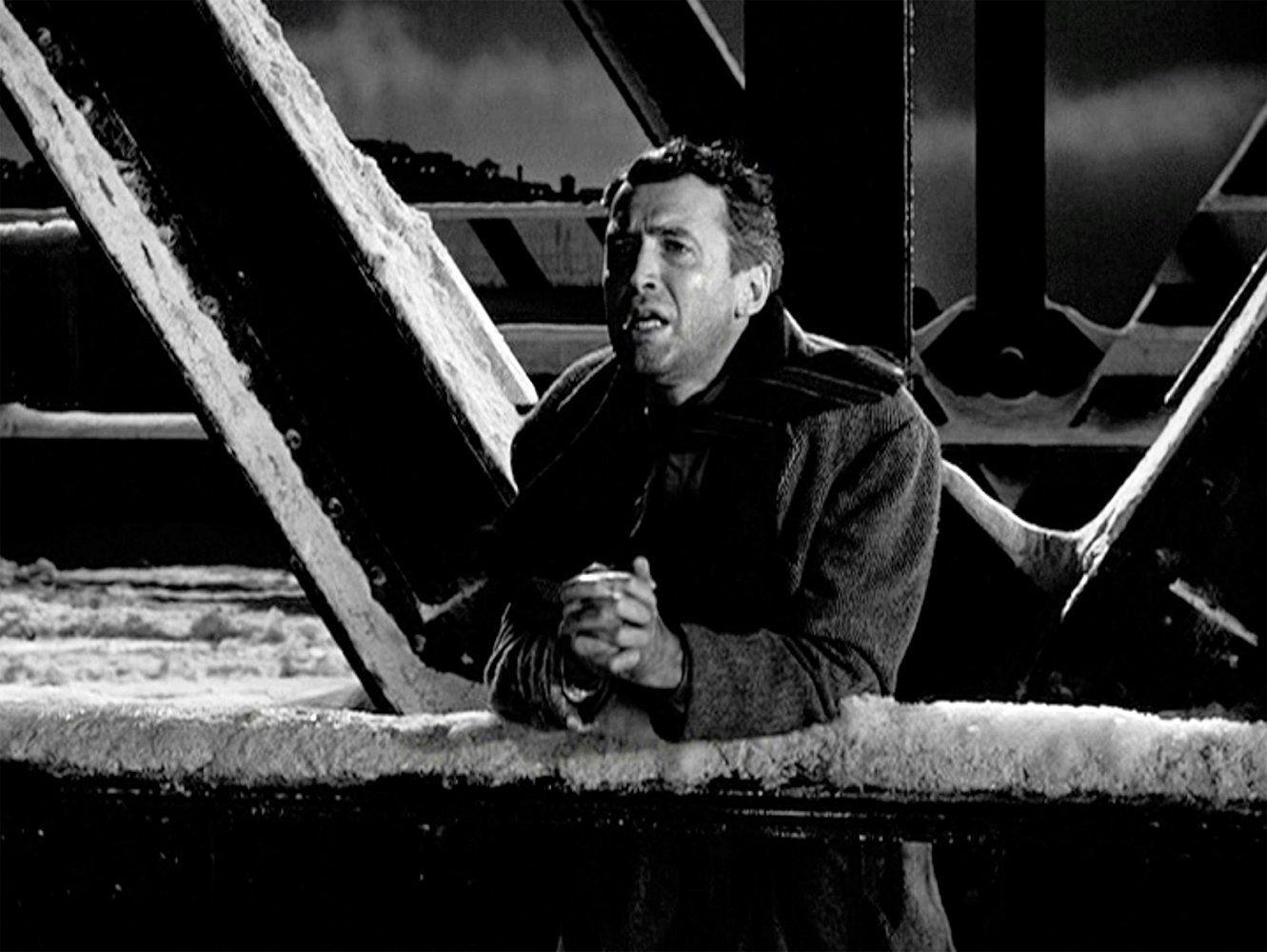
The turning point of the film is Uncle Billy’s massive mistake. Losing that $8,000—which would be over $100,000 in today's money—is the catalyst for George’s spiral toward the bridge.
When Potter finds the money hidden in the newspaper, he doesn't just keep it. He actively uses it as a weapon. He watches George grovel. He calls the police. He swears out a warrant for George’s arrest for "misappropriation of funds." It’s cold-blooded.
Historians often point out that Barrymore’s performance was influenced by his real-life health struggles. He was in a wheelchair due to arthritis and a broken hip, which added a layer of physical bitterness to the character that a younger, healthier actor might have missed. He’s a man who has everything and nothing all at once.
- He has the bank.
- He has the real estate.
- He has the political influence.
- He has zero friends.
Compare that to George Bailey. George has a drafty house, a broken banister, and a massive debt. But the movie argues that George is the "richest man in town." It’s a bit cliché, sure, but it works because Potter is so genuinely loathsome. If Potter weren't so effective, George's victory wouldn't feel earned.
The "Potter's Field" Vision and What It Means
When Clarence shows George the world where he was never born, Bedford Falls becomes "Pottersville." This is the core of the Potter It's a Wonderful Life legacy. It’s a neon-lit, cynical, harsh version of the town.
It’s not just that the names changed. The entire soul of the community shifted. Instead of the Building and Loan helping people own their homes, you have high-interest pawn shops and dive bars. It’s a world built on the "Potter philosophy" of every man for himself.
Interestingly, some modern critics have tried to "reclaim" Potter. They argue he was just a disciplined businessman protecting his shareholders from the "irresponsible" lending practices of the Baileys. It’s a contrarian take that pops up on social media every few years. But it misses the point. Potter wasn't just a capitalist; he was a monopolist who hated competition. He wanted to own the people, not just the land.
The contrast between the two versions of the town is what makes the film a perennial favorite for Discover feeds and holiday marathons. It touches on the universal fear that the "Potters" of the world are winning.
The Barrymore Legacy and the Role of a Lifetime
Lionel Barrymore was already a legend by 1946. He’d won an Oscar for A Free Soul (1931) and was a staple of the "Dr. Kildare" films. But Potter became his definitive role.
He played it with a lack of vanity. There are no moments where Potter shows a "heart of gold." He doesn't have a change of heart when he sees George’s kids. He just gets more bitter.
A lot of actors would have played the role with a wink to the audience. Not Barrymore. He stayed in character even when the cameras weren't rolling, reportedly staying "grumpy" on set to maintain the tension with James Stewart. That tension is palpable in the scene where George tells him off in his office. You can feel the genuine dislike.
What You Can Actually Learn from the Conflict
Looking at the Potter It's a Wonderful Life dynamic offers some surprisingly modern insights into community and resilience.
First, the movie proves that "winning" isn't always about the balance sheet. Potter won the financial battle. He kept the stolen money. He maintained his monopoly on the town's traditional banking. But he lost the cultural war. By the end of the movie, nobody cares about Potter. They’re too busy singing "Auld Lang Syne" in George’s living room.
Second, it highlights the importance of "Third Places." In sociology, a third place is somewhere people gather that isn't work or home. The Building and Loan served as that for Bedford Falls. It was the glue. Potter’s goal was to destroy that glue so he could be the only source of power.
If you’re watching the film this year, pay attention to the silence in Potter's office compared to the noise in the Bailey house. The silence is deafening. It’s the sound of a man who has built a cage for himself out of gold bars.
Actionable Takeaways for Your Next Rewatch
- Watch the hands: Notice how Potter never touches anyone. George is constantly hugging, shaking hands, and slapping backs. This physical distance is a deliberate choice by Capra to show Potter’s isolation.
- The $8,000 mystery: Acknowledge that the movie never resolves the theft. This is actually a great conversation starter for a holiday party. Why didn't George report the theft later? (The answer is usually that he couldn't prove it, and the town's generosity made the point moot).
- Pottersville vs. Bedford Falls: Look at the background details in the Pottersville scenes. The lighting is harsher, the music is more discordant, and the people are more aggressive. It’s a masterclass in set design and atmosphere.
- The "Business" of Potter: If you're interested in the history of the era, look into how the "Small Business Act" and the rise of credit unions in the 1930s and 40s actually mirrored the struggle seen in the film. The Baileys were essentially a proto-credit union.
Potter remains the ultimate foil because he represents a very real part of the human experience: the temptation to choose profit over people. Every time we watch George Bailey run through the snow yelling "Merry Christmas, Mr. Potter!" we’re seeing a man who has realized that his enemy's greatest weapon—money—has no power over him anymore. That’s the real "wonderful life."
For your next holiday movie night, try focusing entirely on Potter’s reactions. It changes the movie from a story about a man being saved by an angel to a story about a man who remains miserable despite "winning" everything he thought he wanted. It's a much darker, deeper film when you view it through that lens.
Don't just watch the sentiment. Watch the struggle. The Potter It's a Wonderful Life conflict is as relevant today as it was in 1946, maybe even more so in an era of massive corporations and digital isolation. It’s a reminder that while the Potters might keep the cash, the Baileys keep the community. And in the long run, the community is the only thing that actually lasts.