You've probably seen the headlines or the frantic social media posts about a massive "Black Moon" or a "Blood Moon" happening right now. It happens every few months—a sudden surge of interest in the night sky. But honestly, if you’re stepping out onto your porch right now asking what time tonight is the eclipse, I have a bit of a reality check for you.
Tonight, January 15, 2026, there is no eclipse.
I know, it’s a letdown. You might have seen a clickbait video or an old article floating around, but the celestial mechanics just aren’t lining up for a show this evening. Instead of a disappearing sun or a red-tinted moon, we’ve actually got a Waning Crescent Moon hanging up there. Only about 10% of it is lit up, so it's basically a tiny sliver of light that'll be hard to see anyway.
The 2026 Eclipse Schedule: When the Real Show Starts
If you're itching to see the world go dark, you don't have to wait that long. 2026 is actually a massive year for astronomy buffs. We're entering what some folks at NASA and the Royal Astronomical Society of Canada are calling a "Golden Age" of eclipses.
Basically, we're about to get hit with a flurry of activity starting in just a few weeks. Here is the actual breakdown of when you need to have your gear ready:
- February 17, 2026: An Annular Solar Eclipse. This is the famous "Ring of Fire" where the moon doesn't quite cover the whole sun. It leaves a glowing doughnut of fire in the sky.
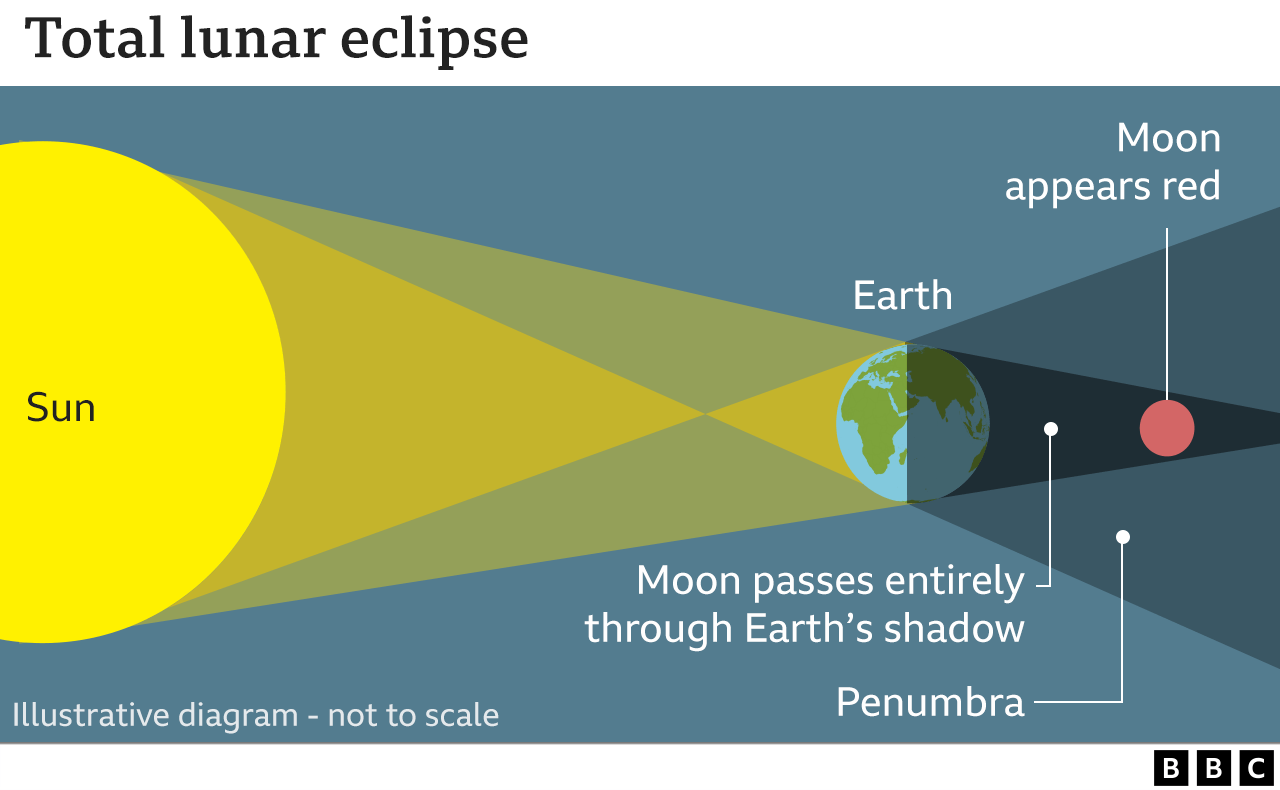
- March 3, 2026: A Total Lunar Eclipse. This is the big one for moon-watchers—a "Blood Moon" where the Earth's shadow turns the lunar surface a deep, rusty red.
- August 12, 2026: The Total Solar Eclipse. This is being hyped as the "Eclipse of the Century" for parts of Europe.
What Time Tonight Is The Eclipse? (The August 12 Reality)
Since most people asking about the time are actually preparing for the "Great European Eclipse" in August, let's talk specifics. If you're in Spain or Iceland on August 12, the timing is everything.
In Reykjavik, Iceland, totality (the total darkness) hits around 5:48 PM local time.
In Spain, specifically in cities like Oviedo or Santander, the sun will be very low on the horizon, with totality occurring around 8:27 PM CEST.
It’s going to be weird. Usually, solar eclipses happen high in the sky. This one will happen right as the sun is setting for many people in Europe. Imagine a pitch-black sun hanging just a few degrees above the ocean. It’s the kind of thing that makes professional photographers lose their minds.
Why "Tonight" is Sometimes Confusing
The reason you might be seeing "what time tonight is the eclipse" in your feed today is likely due to how search engines and social algorithms work. Sometimes old news from the 2024 eclipse in North America gets recycled. Other times, people get "Lunar New Year" or "Micro Moons" confused with actual eclipses.
Technically, an eclipse can only happen during two specific phases:
- Solar Eclipses only happen during a New Moon.
- Lunar Eclipses only happen during a Full Moon.
Since tonight we have a Waning Crescent, an eclipse is physically impossible. The moon and sun just aren't in the right spot to block each other out.
How to Prepare for the March "Blood Moon"
If you're disappointed about tonight, mark March 3, 2026, on your calendar. This will be visible across much of the Americas, Asia, and Australia.
Unlike solar eclipses, you don't need fancy glasses for this. You just walk outside and look up. The moon will slide into the Earth's umbra (the darkest part of our shadow). It doesn't go pitch black; instead, it turns that eerie copper color because the Earth's atmosphere bends sunlight around the edges of the planet—basically, every sunset and sunrise on Earth is being projected onto the moon at once.
Don't Get Fooled by the "Ring of Fire"
Before that March moon, the February 17 Annular Eclipse is a bit of a tease. It's mostly happening over Antarctica and the southern reaches of the Indian Ocean. Unless you're on a very specific cruise ship or working at a research station at the South Pole, you're going to miss it in person.
However, thanks to the internet, you'll be able to find live streams. Places like Time and Date or the Exploratorium usually have high-def feeds. It's worth a watch just to see that perfect geometric ring form.
Actionable Next Steps for Skywatchers
Since there's no eclipse tonight, here is what you should actually do to stay ahead of the curve:
- Check your location for August: If you plan on traveling for the Total Solar Eclipse on August 12, 2026, book your hotels now. Towns in northern Spain are already seeing prices spike.
- Verify the Moon Phase: Use an app like Stellarium or SkySafari. If the moon isn't Full or New, you can ignore any "eclipse tonight" rumors.
- Get ISO-Certified Glasses: Don't wait until August. The "Ring of Fire" in February will cause a sell-out of solar filters and glasses. Make sure they are ISO 12312-2 compliant.
- Find a Dark Sky Site: Even without an eclipse, tonight is a great time to see the stars because the crescent moon is so dim. Use a light pollution map to find a spot away from city lights and look for the Grimaldi Basin on the moon's surface—it's one of the few things visible on a 10% lit moon.