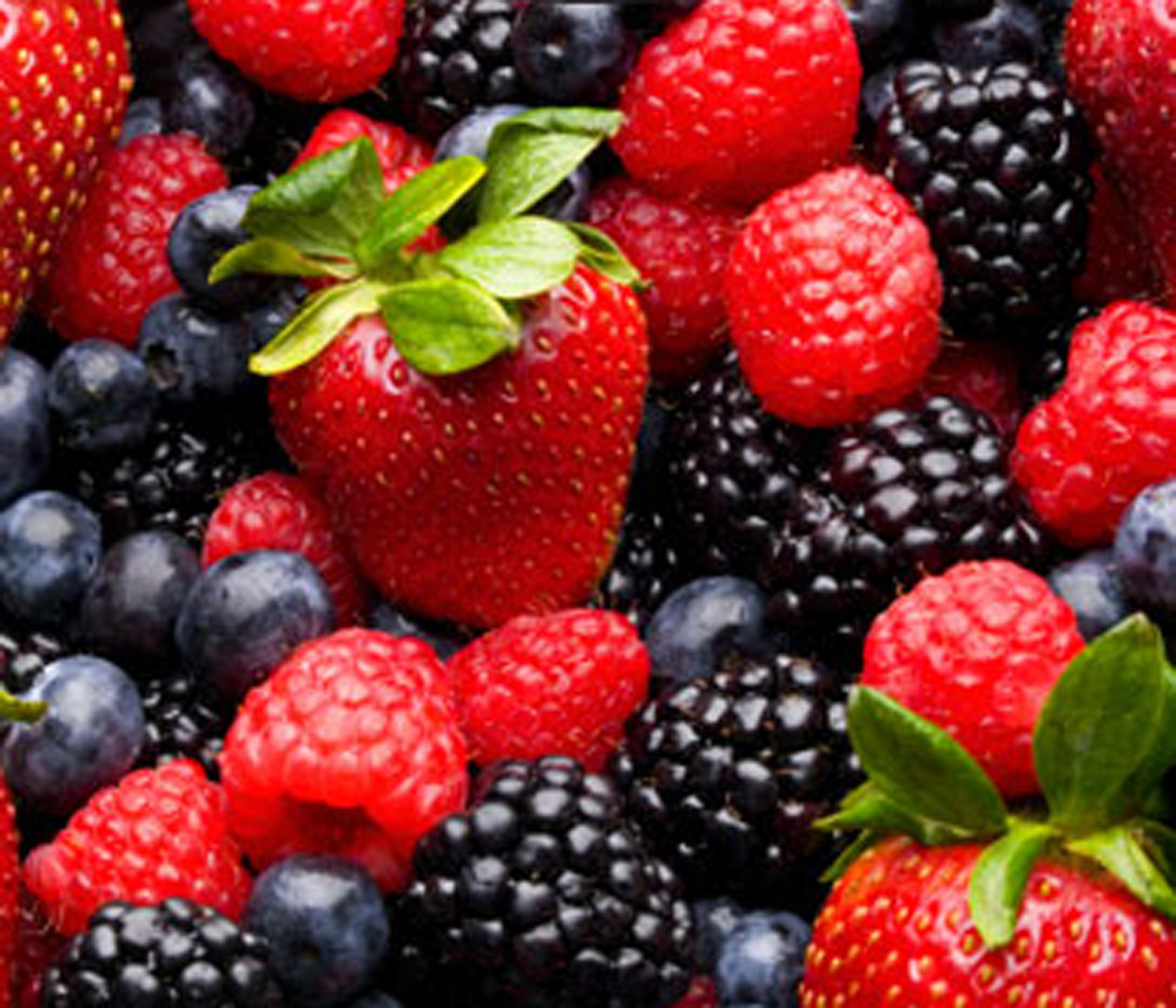
You’re probably eating a lie.
Most people think they know what a berry is. You see a small, round, juicy fruit at the grocery store and you buy it. Simple, right? Well, botanically speaking, your grocery list is a disaster. If you ask a scientist what are all the berries, they’re going to give you an answer that makes zero sense. Bananas? Berries. Watermelons? Berries. Strawberries? Not even close.
It’s one of those weird quirks of language where the common word and the scientific definition just went in totally different directions.
Strictly speaking, a botanical berry is a fleshy fruit produced from a single ovary. It has to have a thin skin (the exocarp), a fleshy middle (mesocarp), and seeds on the inside (endocarp). This means that common "berries" like raspberries and blackberries are actually "aggregate fruits" because they come from a single flower with multiple ovaries. It’s confusing. It’s messy. But honestly, it’s also kind of fascinating how we’ve managed to get it so wrong for so long.
The botanical "true" berries you didn't see coming
If we are looking at the technical side of what are all the berries, we have to start with the ones that shock people. A banana is a berry. I know, it’s long, it’s yellow, and it doesn't look like a blueberry. But it fits the criteria perfectly: it comes from one ovary and contains internal seeds (even if the ones in commercial bananas are tiny and sterile).
Grapes are also true berries. So are tomatoes. When you’re slicing a tomato for a sandwich, you are technically eating a giant berry. Even eggplants and chili peppers fall into this category. It’s enough to make you question every salad you’ve ever eaten.
Cranberries and blueberries actually make the cut, too. They are "epigynous" or false berries because they grow from the part of the plant below the floral parts, but they generally fit the mold. Blueberries are perhaps the most "berry-like" of the actual berries. They have that signature blue-purple hue from anthocyanins, which are powerful antioxidants that researchers at institutions like South Dakota State University have studied extensively for their health benefits.
Then you have the Hesperidiums. This is a fancy sub-category of berries with a leathery rind. We call them citrus fruits. Lemons, limes, oranges—yep, they’re berries. They have sectioned pulps and internal seeds. If you ever want to win a bar bet, ask someone to name five berries and then tell them a grapefruit is one of them.
The imposters: Strawberries, raspberries, and blackberries
Now we get to the heartbreak. The fruits with "berry" literally in their names are almost never berries.
Let’s talk about the strawberry. It’s the king of the berry patch, but it’s actually an "accessory fruit." The red fleshy part we love isn't even the fruit of the plant. The "seeds" on the outside are the real fruit, technically called achenes. Each tiny speck on a strawberry is a fruit containing a single seed. The red part is just the swollen base of the flower.
Blackberries and raspberries are aggregate fruits. They are made up of tiny little bumps called drupelets. Each drupelet is like a miniature cherry, with a soft outer layer and a hard seed inside. When you pick a raspberry, the core stays on the plant, leaving a hollow center. When you pick a blackberry, the core stays inside the fruit.
Why does this matter? Well, for most of us, it doesn't change how they taste. But it does change how they grow and how they spoil. Aggregate fruits tend to be much more fragile. They have more surface area exposed to oxygen and mold, which is why your raspberries usually turn into a fuzzy mess three days after you buy them, while a "true berry" like a cranberry can last for weeks in the fridge.
Why the classification of what are all the berries is so chaotic
Taxonomy is a headache. Back in the day, people just named things based on how they looked or how they were used in the kitchen. If it was small, round, and sweet, it was a berry. Botanists came along much later and tried to organize the world based on reproductive structures, and that’s when the labels stopped matching the reality.
We also have the "pepo" category. These are berries with a hard outer rind. Think pumpkins, cucumbers, and watermelons. It feels illegal to call a pumpkin a berry, but under the microscope, it’s true. They develop from a single ovary and have multiple seeds embedded in the flesh.
The diversity is staggering. You have:
- Simple Berries: Tomatoes, grapes, bananas, guavas.
- Hesperidia: Oranges, lemons, pomelos.
- Pepos: Watermelons, cantaloupes, squashes.
The common thread is the internal seed structure. If the seeds are on the outside (strawberry) or it's a "stone fruit" with one big pit (cherry), it’s out. Cherries, peaches, and plums are drupes, not berries, because they have that hard endocarp "stone" protecting the seed.
Wild berries and the danger of "look-alikes"
When people search for what are all the berries, they are often looking for what they can find in the woods. This is where the technical definitions stop being fun trivia and start being life-saving information.
The world of wild berries is a mix of superfoods and literal poison.
Take the Elderberry (Sambucus). It’s incredibly popular right now for immune support. But you can't just go out and pop raw elderberries into your mouth. The seeds, stalks, and leaves contain cyanogenic glycosides—basically, they can turn into cyanide. You have to cook them to make them safe.
Then there are the "False" berries that look delicious but are toxic. The White Baneberry, often called "Doll’s Eyes," looks like a cluster of white berries with black dots. They look like they belong on a gourmet cake, but they are highly poisonous. Similarly, Bittersweet Nightshade produces bright red berries that look exactly like tiny tomatoes (which makes sense, they’re in the same family), but eating them can be fatal for children and pets.
If you’re foraging, you’re looking for things like:
- Serviceberries: Also known as Juneberries. They look like blueberries but taste a bit like almonds.
- Huckleberries: Tart, tiny, and almost impossible to grow commercially.
- Mulberries: These look like elongated blackberries and grow on trees. Fun fact: mulberries are "multiple fruits," meaning they come from a cluster of many flowers, not just one.
Always use a local field guide. Never rely on a quick Google image search when your stomach is on the line. Different regions have different "look-alikes" that can be tricky even for experts.
The health reality: Why we eat them anyway
Regardless of whether it's a "true" berry or a "culinary" berry, these fruits are nutritional powerhouses.
Most are packed with fiber, which is great for gut health. But the real star is the polyphenol content. Berries are famous for being high in ellagic acid and anthocyanins. Studies published in The American Journal of Clinical Nutrition suggest that regular consumption of these compounds can help reduce the risk of heart disease by improving "bad" LDL cholesterol levels and arterial function.
Blueberries get the most hype, but blackberries actually have higher antioxidant levels in some tests. Even the humble "fake berry," the strawberry, is loaded with Vitamin C—more per gram than some citrus fruits.
The dark pigments in berries aren't just for show. Those colors are the plant's defense mechanism against UV radiation and pests. When we eat them, we’re essentially hijacking those chemical defenses for our own cellular repair. It’s one of the few areas where the "superfood" label actually has some scientific legs to stand on.
Practical ways to use and store your "berries"
Because there is such a wide variety in what we call berries, you can't treat them all the same.
If you bought "true berries" like blueberries or grapes, they have a protective waxy coating called the "bloom." This bloom keeps moisture in and bacteria out. Don't wash them until right before you eat them, or you’ll strip that layer and they’ll rot faster.
For the "aggregate" imposters like raspberries, they are basically tiny sponges. If you wash them and put them back in the fridge, they will soak up the water and collapse into mush. The best trick? A quick bath in a mixture of one part vinegar to three parts water. It kills mold spores. Just make sure to dry them completely on a paper towel before storing them in a ventilated container.
Berries for the kitchen:
- Freezing: Spread them on a baking sheet first so they don't freeze in a giant clump. Once they’re hard, toss them in a bag.
- Baking: If you’re using frozen berries in muffins, toss them in a little flour first. It stops them from sinking to the bottom and turning the whole muffin purple.
- Savory: Don't forget that "true" berries like tomatoes and peppers are culinary vegetables. Use blackberries in a balsamic glaze for pork, or blueberries in a salad with goat cheese.
What you should do next
Now that you know the weird truth about what are all the berries, start looking at your produce differently.
Next time you’re at the market, try to find one "true" botanical berry and one "imposter." Buy some blueberries (true) and some blackberries (aggregate). Notice the difference in how they feel, how they’re structured, and how long they stay fresh in your fridge.
If you’re interested in the health side, aim for variety. Different colors represent different types of antioxidants. Don't just stick to blueberries; grab some raspberries or even some "botanical berries" like golden kiwis or pomegranates (yes, pomegranates are berries too).
If you live in an area where you can forage, go buy a physical field guide for your specific state or region. Digital apps are okay, but they can glitch or misidentify things. A physical book with detailed descriptions of leaf patterns and stem structures is the only way to safely identify wild berries.
The world of berries is much bigger than the plastic clamshells in the supermarket aisle. Explore it, but maybe keep the "tomatoes are berries" trivia for the right moment—people get weirdly defensive about their fruit definitions at dinner parties.
Actionable Insight: Check your freezer. If you have "berries" that are clumping together, they were likely washed before freezing or thawed slightly. To prevent this next time, ensure they are bone-dry and flash-freeze them individually on a tray for two hours before bagging them. This preserves the cell structure and prevents the "mush" factor when you eventually thaw them for smoothies or toppings.