You’ve probably heard the trivia question at some bar or seen it on a TikTok "did you know" video. Does the United States actually have an official language? For centuries, the answer was a flat "no." But things changed recently.
On March 1, 2025, an executive order actually designated English as the official language of the United States. It was a massive shift. Before that, English was just the de facto language—the one we all used because everyone else was using it, not because a law said we had to.
But wait. If we're talking about the "native" language of the USA, are we talking about the language most people speak now, or the languages that were here before the first ships even hit the coast? It gets complicated fast. Honestly, calling English the "native" language of America is like calling a Starbucks the "native" coffee shop of a forest. It’s there now, sure, but it wasn't the original resident.
The Big Shift: Is English Finally Official?
For nearly 250 years, the U.S. government purposefully avoided picking a winner. The Founding Fathers—folks like John Adams and Thomas Jefferson—actually thought it was a bad idea. They didn't want to alienate the German, Dutch, or French speakers who lived in the colonies. They figured people would just learn English naturally to get by. And for the most part, they were right.
Then came Executive Order 14224.
Signed in early 2025, this order officially declared English as the national tongue. It basically tells federal agencies they don't have to provide everything in 50 different languages anymore. It’s mostly symbolic, though. You aren't going to get arrested for speaking Italian at the grocery store. But it definitely signaled a change in how the government views "American" identity.
What the Numbers Actually Look Like
If you look at the 2024 and 2025 Census data, the reality on the ground is way more colorful than a single official label.
- English: About 77% of households speak only English.
- Spanish: Roughly 13.9%—that's over 42 million people.
- Chinese: About 3.4 million speakers (Mandarin is the big player here).
- Tagalog: 1.7 million.
- Vietnamese: 1.5 million.
The U.S. is basically a "polyglot boarding house," as Teddy Roosevelt once complained. But to many, that diversity is exactly what makes the country work. You can walk down a street in Queens, New York, or certain parts of Houston and hear five languages before you finish a latte.
The Real Native Languages: The Ones We Almost Lost
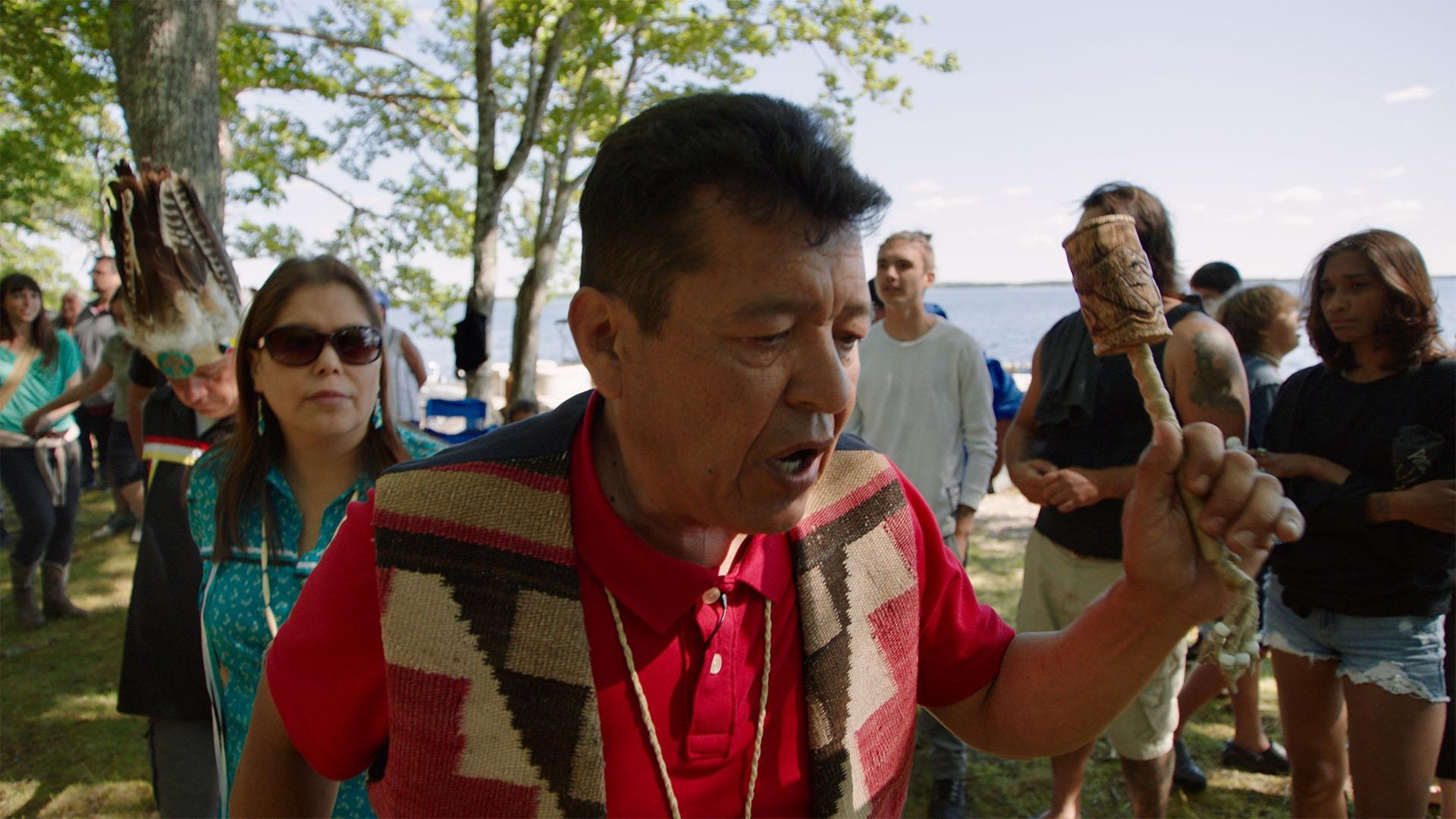
If we’re being literal about the native language of USA, we have to talk about the Indigenous languages. These are the true "native" tongues. Before English ever arrived, there were hundreds of them.
Navajo, Cherokee, Dakota, Choctaw—these aren't just "dialects." They are complex, beautiful languages with their own grammar and history. Sadly, for a long time, the U.S. government tried to wipe them out. In the 19th and 20th centuries, Native kids were sent to boarding schools where they were literally beaten for speaking their mother tongues.
The Revitalization Movement of 2026
Luckily, the story isn't over. Right now, there is a massive 10-Year National Plan on Native Language Revitalization in full swing. The goal is to create "language nests"—basically immersion preschools—to make sure kids grow up speaking languages like Gwich'in or Inupiaq.
In Alaska, for instance, there are 20 official Indigenous languages alongside English. They aren't just artifacts; they're living parts of the law.
Why We Don't Have a "Federal Statute"
There's a catch with that 2025 executive order. It’s not a law passed by Congress. It’s a directive from the President. In the U.S., a President can’t just make a permanent law by snapping their fingers. To make English the "statutory" official language, Congress would have to pass a bill like the "English Language Unity Act."
They’ve tried. Many times. Since the 1980s, lawmakers have introduced versions of this bill, and it usually stalls out. Why? Because it’s a legal nightmare. Think about it: if English is the only "official" language, does the government have to stop printing tax forms in Spanish? Does a hospital lose funding if they hire a translator for a patient who only speaks Arabic?
The courts usually step in and say, "Hold on, you can't discriminate against people just because they don't speak English yet." That’s why, despite the new executive order, you’ll still see multilingual signs at the airport and multi-language options on voting ballots.
The Spanish Factor
You can't talk about American language without talking about Spanish. It’s not "foreign" here. Spanish has been spoken in places like Florida, New Mexico, and California longer than English has.
In New Mexico, the state constitution actually protects the use of Spanish. It’s not "official" in the way English is in Alabama, but it has a "special status." It's part of the furniture. In Puerto Rico, Spanish is the primary language, even though it's a U.S. territory.
The idea that English is the only "native" language of the U.S. completely ignores the fact that half the country used to be part of the Spanish Empire.
Actionable Insights: Navigating the Landscape
If you're trying to figure out how to handle the language "rules" in the U.S. right now, here’s the bottom line:
- For Business Owners: Don't let the "official language" talk scare you into cutting your Spanish or Mandarin marketing. The 2026 market is more multilingual than ever. Providing services in multiple languages is just good for the bottom line.
- For Travelers: You can get by with English almost everywhere, but don't be surprised if you need a translation app in specific neighborhoods in Miami or El Paso.
- For Legal Matters: If you're dealing with federal agencies, expect more of a push toward English-only forms in the coming year, but remember that Civil Rights laws still generally require that you have access to services regardless of your native tongue.
- Support Revitalization: If you're interested in the actual native history of the U.S., look into the Native American Languages Act. Supporting Indigenous-led language apps and schools is the best way to keep the country's original voices alive.
The "native language of USA" is a moving target. It’s English by decree and by numbers, Spanish by history and growth, and dozens of Indigenous tongues by right of first arrival. Understanding that the U.S. is a linguistic "patchwork quilt" rather than a "melting pot" helps make sense of why these debates never really go away.
To stay ahead of these changes, check your local state's specific language laws, as many states (currently 32 and counting) have their own "English-only" statutes that are often stricter than federal guidelines. Keep an eye on the Department of Justice's upcoming 2026 guidelines, which will further clarify how agencies must balance the new English-official status with existing civil rights protections.