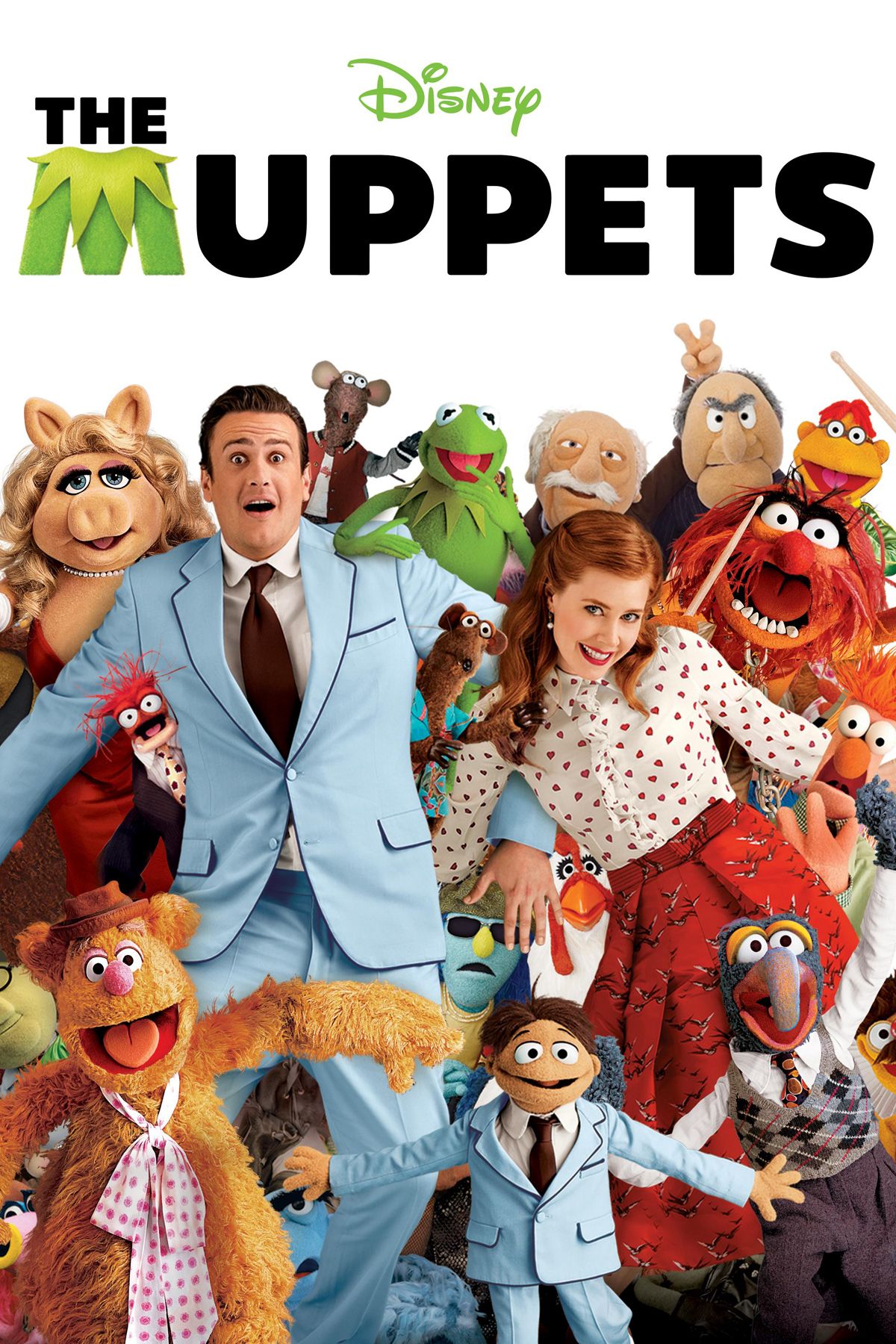
Honestly, the Muppets were in a weird spot before 2011. They weren't dead, exactly, but they were definitely drifting. Most of the stuff coming out was direct-to-video or mediocre TV specials that felt like they were trying too hard to be "hip." Then Jason Segel stepped in. He didn't just want to make a movie; he wanted to bring back the felt-covered soul of the 1970s. When we talk about the Muppets cast 2011, we aren't just talking about a bunch of actors standing next to puppets. We’re talking about a massive, coordinated effort to bridge the gap between the legendary Jim Henson era and a new generation of performers who had huge shoes to fill.
It worked.
The 2011 film became a massive hit because it respected the history of the characters while introducing Walter, a puppet who felt as real as Kermit. But the magic wasn't just in the foam and fleece. It was the humans. Seeing Amy Adams and Jason Segel burst into song without a hint of irony made the whole thing fly.
The Humans Who Carried the Torch
The 2011 reboot leaned heavily on the "celebrity cameo" tradition, but the core human cast had to do the heavy lifting. Jason Segel played Gary, a guy whose best friend is a Muppet named Walter. Segel actually co-wrote the script with Nicholas Stoller because he was genuinely obsessed with the Muppets. That passion is visible in every frame. He doesn't look like an actor collecting a paycheck; he looks like a kid who finally got invited to the best party on earth.
Amy Adams played Mary, Gary's long-suffering but supportive girlfriend. Adams has this incredible ability to play "sincere" without being "cheesy." It's a fine line. If she hadn't sold the relationship between Gary and Walter, the whole movie would have collapsed into a heap of nonsense.
Then there was Chris Cooper as Tex Richman.
He was the villain.
He rapped.
Yes, an Academy Award-winning actor did a full-blown rap song about destroying the Muppet Studios to drill for oil. It was absurd, but that’s the point. The Muppets work best when the humans around them treat the world as completely normal. If Chris Cooper hadn't played it straight, the stakes wouldn't have felt real.
The Muppet Performers: The Unsung Heroes of the Muppets Cast 2011
We have to talk about the people under the floorboards. In 2011, the Muppet performer lineup was in a state of transition. Steve Whitmire was still the voice of Kermit the Frog at the time, a role he’d held since Jim Henson’s passing in 1990. Whitmire’s Kermit in this film is slightly more weary, more nostalgic, which perfectly fit the plot of the Muppets being washed up and forgotten.
Eric Jacobson handled Fozzie Bear, Miss Piggy, and Animal.
That is a massive workload.
Jacobson took over most of Frank Oz’s characters, and by 2011, he had truly made them his own. His Miss Piggy in this movie is particularly great because she starts as an editor for Vogue Paris. The chemistry between Jacobson’s Piggy and Whitmire’s Kermit during the "Pictures in My Head" sequence is genuinely heartbreaking.
The newcomer was Peter Linz. He was the man behind Walter. Walter was a risky move. Fans can be defensive about new characters being added to a 50-year-old roster. But Linz gave Walter this wide-eyed, nervous energy that represented the audience. Walter was a Muppet fanboy, and since the movie was basically a love letter to Muppet fans, he fit right in.
- Dave Goelz: The legend. He returned as Gonzo and Bunsen Honeydew. Goelz is one of the last original performers from the Muppet Show era, and seeing him still crushing it as a daredevil plumber-turned-toilet-magnate was a highlight.
- Bill Barretta: He played Pepe the King Prawn, Rowlf, and the Swedish Chef. Barretta also took on the role of the "Moopets" version of Fozzie, known as Foozie.
- Matt Vogel: He voiced the "Moopet" version of Kermit (Roark) and handled characters like Floyd Pepper and Camilla the Chicken.
Why the 2011 Casting Felt Different
Most Muppet movies use the puppets to tell a parody of a famous story. Think Muppet Christmas Carol or Muppet Treasure Island. They’re great, but the characters are "acting." In the 2011 film, the Muppets are playing themselves. They are "The Muppets." This required the the Muppets cast 2011 to play with a level of meta-humor that hadn't been seen since the original trilogy in the late 70s and early 80s.
The movie focuses on the "disbanding" of the group. This meant the cast had to portray a sense of loss. We see Fozzie playing in a tribute band called The Moopets in a dingy casino. We see Gonzo as a wealthy business tycoon who has moved on. The performers had to bring a layer of melancholy to characters who are usually just "on" all the time.
It also helped that the cameos were top-tier. You had Jack Black being kidnapped and forced to be the celebrity guest. You had Rashida Jones as a hard-nosed network executive. You even had Jim Parsons appearing as the human version of Walter during the "Man or Muppet" musical number. That song, written by Bret McKenzie from Flight of the Conchords, ended up winning an Oscar. It’s a ridiculous power ballad, but the vocal performances by Segel and Parsons (and their puppet counterparts) made it an instant classic.
The Challenges of Modernizing a Classic
There was a lot of debate behind the scenes about how much the Muppets should change. Some people wanted them to be edgier. Others wanted them to stay in the 1950s. The 2011 team found a middle ground. They kept the vaudeville aesthetic—the red curtains, the bad puns, the slapstick—but they updated the pacing.
The casting reflected this. By bringing in Segel and Adams, the production signaled that this wasn't just a "kids' movie." It was a movie for the people who grew up with the Muppets and were now parents themselves. The dynamic between the human leads and the puppet cast had to be perfectly balanced so it didn't feel like the humans were talking down to the audience.
Honestly, the hardest part for the performers was likely the physical toll. The Muppets (2011) featured some of the most complex choreography in the franchise's history. The finale, "Life's a Happy Song," involved hundreds of puppets and dancers in the streets of Los Angeles.
Semantic Variations and Supporting Players
While Segel was the face of the movie, the supporting muppets cast 2011 included a deep bench of puppetry talent.
David Rudman played Scooter and Janice.
Tyler Bunch and Alice Dinnean handled various background characters that populated the Muppet Telethon.
The coordination required for the "Rainbow Connection" finale is staggering when you realize there are dozens of puppeteers squeezed into tiny spaces under the stage, all trying to keep their arms steady while singing in character.
Wait, we can't forget the cameos.
- Emily Blunt (playing a version of her Devil Wears Prada character)
- Whoopi Goldberg
- Selena Gomez
- Neil Patrick Harris
- Ken Jeong
- John Krasinski
- Mickey Rooney
These weren't just random faces. They were used to show that the Muppets still had "cultural currency," even if the plot of the movie claimed they didn't.
What We Learned from the 2011 Revival
The success of the 2011 film proved that there is a permanent place for hand-crafted, tactile entertainment in a world of CGI. The chemistry between the the Muppets cast 2011—both the humans and the puppets—relied on the fact that they were actually in the room together. When Jason Segel hugs Walter, he’s hugging a physical object, not a green screen. That tangibility translates to the screen and makes the emotions feel more authentic.
It’s also worth noting that this film was a turning point for the performers. For guys like Eric Jacobson and Matt Vogel, it was the moment they truly stepped out from the shadows of the original creators and proved they could carry a tentpole Disney movie. They weren't just "replacements" anymore; they were the guardians of the characters.
Practical Ways to Explore the Muppet Legacy
If you're looking to dive deeper into how this specific cast brought the Muppets back to life, you don't have to just re-watch the movie. There are a few specific things you can do to see the "seams" of the production and appreciate the craft.
- Watch the "Man or Muppet" Behind-the-Scenes: Look for the footage of Bret McKenzie working with the actors on the songs. It shows the technical difficulty of timing a musical number when half your actors are being operated from below.
- Track the Performer Credits: Compare the cast list of the 2011 film with Muppets Most Wanted (2014) and the short-lived ABC series The Muppets (2015). You’ll see a very consistent core group of puppeteers who have kept the tone consistent for over a decade.
- Listen to the Soundtrack: Focus on the vocal performances. Steve Whitmire’s singing as Kermit is notably different from Jim Henson’s, but in the 2011 film, he hits a specific nostalgic note that is almost impossible to replicate.
- Check out the "Green Album": Released around the same time as the movie, this featured various bands (like OK Go and Weezer) covering Muppet songs. it gives a great sense of the cultural atmosphere during the 2011 relaunch.
The 2011 movie wasn't just a reboot; it was a rescue mission. By casting people who genuinely loved the source material and allowing the puppeteers to flex their creative muscles, Disney managed to make the Muppets relevant again without losing what made them special in the first place. It remains the gold standard for how to bring a legacy franchise back from the brink.