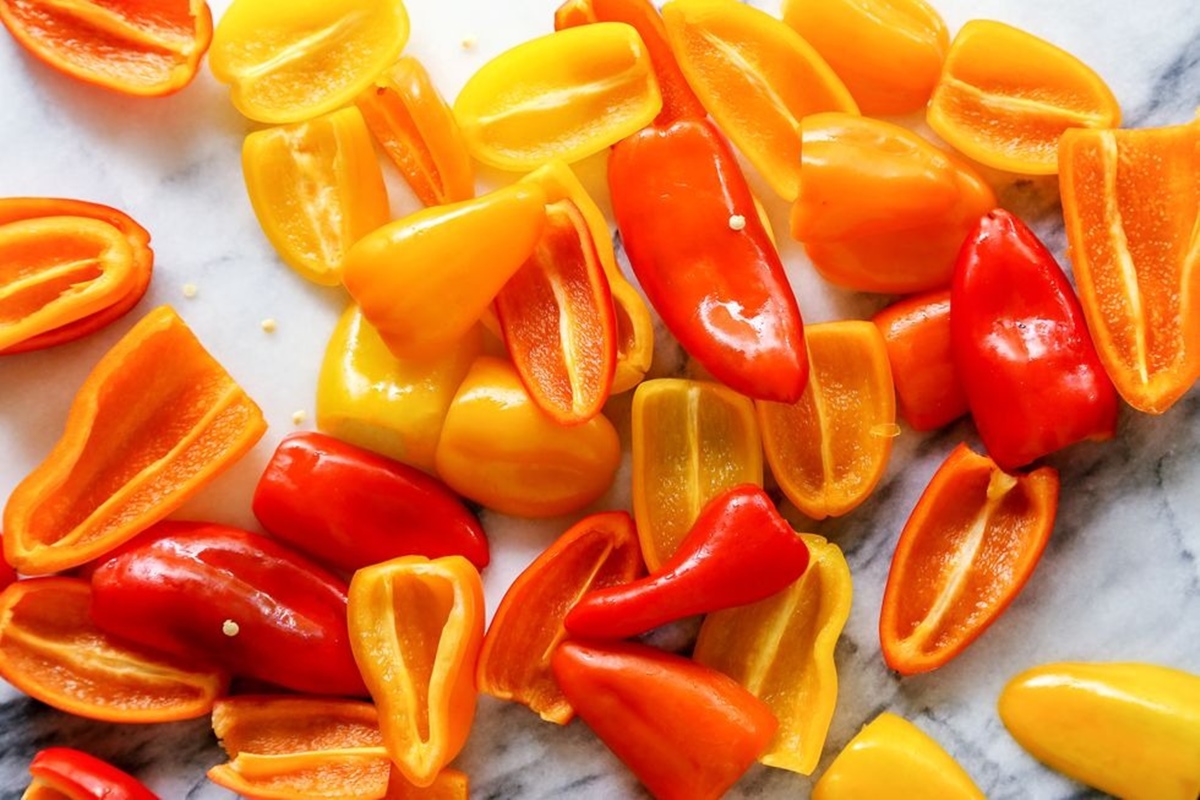
You’re standing in the produce aisle staring at those bags of mini peppers. They’re bright. They’re cute. They’re usually on sale. But then you get them home and they just... sit there. Maybe you chop one into a sad salad. Maybe you dip one in hummus and call it a day. Honestly, it’s a waste. Most recipes using sweet peppers treat them like a garnish or a background character, which is exactly why your dinners feel boring.
Sweet peppers are different from their big, watery bell pepper cousins. They have less water content, thinner skins, and a much higher sugar concentration. If you treat them like a Bell, you get mush. If you treat them like the flavor bombs they are, you get something incredible. We’re talking about high-heat roasting, quick pickling, and stuffing them with things that actually have some personality. Stop playing it safe.
The Heat Problem: Why Roasting Changes Everything
If you want to unlock the actual flavor of a sweet pepper, you need to stop being afraid of a little char. Most people sauté them over medium heat until they’re limp. Don't do that.
The sugar in these little guys—especially the orange and red ones—caramelizes at high temperatures. I'm talking 425°F or higher. Toss them whole with just a bit of olive oil and some coarse sea salt. Let the skins blister and turn black in spots. When they come out, they aren't just "cooked." They're transformed. The flesh gets silky, almost like a preserve, and the sweetness intensifies into something smoky and deep.
You can take those roasted peppers and whiz them into a sauce. Think of a Romesco, but maybe skip the traditional dried chiles and let the sweet peppers do the heavy lifting with some toasted almonds, garlic, and a splash of sherry vinegar. It’s better than anything you’ll buy in a jar. Or just drape them over crusty bread with a smear of goat cheese. It’s simple. It works.
Stuffing Them Without the Boredom
We’ve all had the classic stuffed pepper. Usually, it’s a giant green bell pepper filled with bland ground beef and rice, topped with a lonely slice of cheddar. It's fine. It's also kind of depressing.
Mini sweet peppers are the perfect vessel for "two-bite" appetizers or a lighter dinner. Instead of rice, think about texture. Use something like toasted quinoa or even crumbled spicy chorizo. The saltiness of the meat cuts right through the sugar of the pepper.
A Quick Hack for Better Fillings
Forget the heavy tomato sauce for a minute. Try a mixture of feta, Greek yogurt, lemon zest, and plenty of fresh dill. Stuff that into raw mini peppers and then give them a quick char under the broiler. You want the pepper to soften just slightly while the cheese gets warm and bubbly but keeps its tang. It’s a total 180 from the heavy, soggy stuffed peppers of your childhood.
Beyond the Salad: Raw Applications That Work
Raw peppers aren't just for dipping. But let’s be real, a plain slice of pepper can be a bit one-note. The trick to using them raw in recipes using sweet peppers is the "shave."
Take a mandoline—carefully, please—and shave the peppers into paper-thin rings. Throw those into a bowl with ice water for ten minutes. They’ll curl up and get incredibly crunchy. Drain them, pat them dry, and toss them with lime juice, cilantro, and a little shaved red onion. This isn't a salad; it's a bright, acidic slaw that kills on top of fish tacos or grilled chicken.
The thinness is key here. It changes the mouthfeel. Instead of a chunky, watery bite, you get a delicate crunch that distributes the flavor across the whole dish. It’s a small tweak that makes you look like you actually know what you’re doing in the kitchen.
The Secret World of Pepper Jam and Pickles
Most people forget that sweet peppers make the best quick pickles. Because they're small, the brine penetrates them fast.
Boil a 1:1 ratio of white vinegar and water with a tablespoon of sugar and a teaspoon of salt. Throw in some peppercorns and maybe a smashed garlic clove. Pour that over sliced sweet peppers in a jar. Let it sit in the fridge for an hour. Done. These are "refrigerator pickles," and they are the secret weapon for sandwiches. They have that sweet-and-sour vibe that cuts through fatty meats like pulled pork or even a heavy grilled cheese.
And if you’re feeling ambitious? Make a jam. Chop them tiny, simmer them with sugar and apple cider vinegar until it looks like molten lava, and jar it up. It’s the ultimate pairing for a charcuterie board. Seriously, put it on some brie. You won't regret it.
Common Mistakes People Make with Sweet Peppers
- Not Seeding Properly: Even though they're "sweet," the seeds can be bitter and have a weird, papery texture. Don't just chop the top off and call it good. Take the extra five seconds to shake the seeds out.
- Overcrowding the Pan: If you’re roasting or sautéing, and the peppers are touching each other, they’re steaming, not browning. Give them space. They need to breathe to get that golden-brown color.
- Ignoring the Scraps: The tops of the peppers—the part around the stem—are perfectly edible. Chop them up for an omelet or a stir-fry. Don't toss them.
- Under-seasoning: Sweet peppers have a lot of sugar, which means they need salt and acid to stay balanced. A squeeze of lemon or a dash of vinegar at the end of cooking is almost always a good idea.
Real-World Recipe: The 15-Minute Sheet Pan Pepper Chicken
This is the "I just got home from work and I'm exhausted" meal. It’s also the best way to use a whole bag of mini peppers at once.
Preheat your oven to 425°F. Take a pound of chicken thighs—skin on, bone-in if you have the time, but boneless is faster—and nestle them on a sheet pan. Surround them with about 15-20 whole mini sweet peppers. No need to slice them.
Drizzle everything with olive oil. Generously season with salt, pepper, smoked paprika, and a little dried oregano. Slice a lemon and toss the rounds onto the pan too. Roast for about 20-25 minutes.
The chicken fat renders out and basically confits the peppers. They get soft and sweet and infused with the chicken juices. The lemon slices caramelize. It’s a one-pan wonder that doesn't taste like "diet food," even though it’s actually pretty healthy.
Actionable Steps for Your Next Meal
- Audit your spice cabinet: If you're cooking with sweet peppers, you need acidity. Make sure you have at least one good vinegar (Red Wine or Sherry) and fresh lemons on hand.
- Try the "Whole Roast": Next time you have the oven on, throw a handful of whole sweet peppers on a tray. Don't cut them. Just roast them until they blister. Peel them later and keep them in oil in the fridge. They'll last a week and make every sandwich you eat 100% better.
- Mix your textures: If you're making a grain bowl, use some peppers raw (shaved) and some roasted. The contrast between the fresh crunch and the smoky softness is what makes professional dishes feel "layered."
- Check the skins: When buying, look for tight, glossy skins. If they're starting to wrinkle, they're losing moisture. They’re still fine for soups or sauces, but they won't have that snap you want for raw or quick-charred dishes.
Sweet peppers are more than just a colorful addition to a veggie tray. They are a versatile, sugar-packed ingredient that can act as a base, a condiment, or a main event. Stop overthinking the "recipe" part and start focusing on the technique—high heat, sharp acid, and bold seasoning. That's how you actually win at cooking with them.