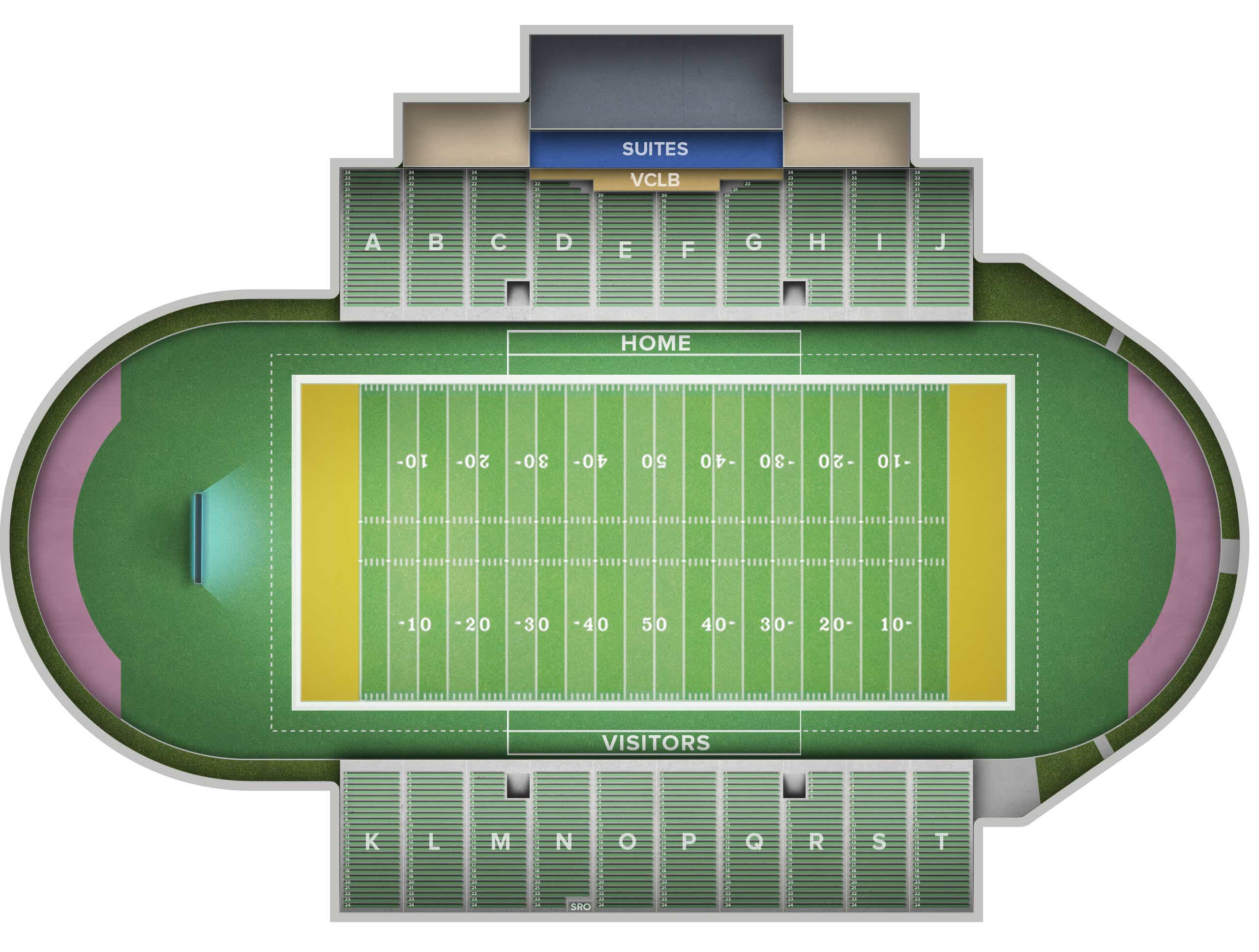
If you’ve ever spent a humid Saturday night in Hammond, Louisiana, you know the sound. It’s a rhythmic, metallic thumping—thousands of feet hitting the bleachers in unison. This is Strawberry Stadium. It isn't just a hunk of concrete and artificial turf nestled on the campus of Southeastern Louisiana University (SLU). Honestly, it’s the heartbeat of the Northshore. For a stadium built during the Great Depression, it has no business being this loud or this relevant in 2026, yet here we are.
Most people see a mid-sized FCS stadium. They see the 12,000 seats and the brick facade. But if you look closer, you realize this place is a survivor. It has outlived architectural trends, survived massive hurricanes, and witnessed the near-death and subsequent resurrection of the Southeastern football program.
The Weird, WPA History of Strawberry Stadium
Let’s talk about the 1930s for a second. The United States was reeling, and the Works Progress Administration (WPA) was throwing money at infrastructure to keep people from starving. Strawberry Stadium was a product of that era, completed in 1937. It’s got that specific, sturdy look of WPA projects—built to last a thousand years, or at least until the next big storm.
Back then, Hammond was the "Strawberry Capital of the World." The name wasn't just a cute branding exercise; it was the literal lifeblood of the local economy. Farmers shipped millions of crates of berries out of the local rail yards. When the stadium opened, it was a monument to that prosperity. It’s one of the few stadiums left in the country that still carries the name of a local agricultural product rather than a corporate telecommunications giant. That matters. It gives the place a soul that you just don't get at "Generic Tech Firm Field."
More Than Just a Football Field
You might think a stadium is only for the Lions. You'd be wrong. Over the decades, Strawberry Stadium has worn a dozen different hats. It’s hosted massive high school playoff games where the entire town of Ponchatoula or Covington seems to show up. It has seen track meets, graduation ceremonies where the heat is so thick you can practically chew it, and even professional soccer training.
The layout is actually pretty unique for its size. The stands are steep. This creates a vertical wall of sound that makes 12,000 people sound like 30,000. Ask any visiting quarterback from the Southland Conference; they hate it here. The fans are right on top of you. You can hear the individual insults. It's intimate, gritty, and deeply Louisiana.
The Dark Years and the Comeback
There’s a part of the Strawberry Stadium story that newer fans usually forget. For 18 years, the lights were dark. In 1985, Southeastern dropped its football program due to budget cuts. Imagine that. A massive concrete stadium sitting empty in the middle of a college campus for nearly two decades. It became a graveyard for memories.
But Hammond didn't let it go. In 2003, football came back. The stadium underwent a massive $4 million renovation to get it back up to code. They added the Victory Way, upgraded the press box, and installed the first of several iterations of artificial turf. Walking into the stadium today, you’d never guess it spent twenty years as a ghost town. It feels vibrant. It feels essential.
Modern Amenities in a Vintage Shell
Maintaining a 90-year-old stadium is a nightmare. It’s like owning a vintage Jaguar; something is always leaking or breaking. However, SLU has done a remarkable job of grafting modern tech onto the old bones.
- The Turf: They use high-grade synthetic surfaces now because the Louisiana rain would turn a natural grass field into a swamp by halftime.
- The Billboards: The video board in the end zone is a far cry from the old manual scoreboards where kids used to swap out the numbers by hand.
- The Suites: The addition of luxury boxes changed the game. It allowed the school to bring in the kind of donor money needed to compete with the big boys in the region.
The West Side of the stadium is where the history lives. The East Side is more modern. This duality is basically Hammond in a nutshell—trying to grow without forgetting where the berries come from.
What to Expect on Game Day
If you're heading to Strawberry Stadium for the first time, leave your expectations of a "sanitized" NFL experience at the gate. This is raw.
Parking is a puzzle. You’ll likely end up walking through campus, which is actually great because the tailgating scene is surprisingly elite. People are frying catfish, boiling whatever is in season, and blasting zydeco or swamp pop. It’s a sensory overload before you even show up for kickoff.
Inside, the concessions are standard, but the atmosphere is the draw. The "Spirit of the Southeast" marching band is loud, proud, and arguably the best part of the halftime show. When the Lions score and the cannon fire goes off, the vibration in the old concrete stands is something you feel in your teeth.
Why the Location Is Key
Geography is destiny. Strawberry Stadium is located at the intersection of I-10 and I-55, basically. It’s the midway point between New Orleans and Baton Rouge. This makes it a neutral ground of sorts for regional sports. It's accessible. It’s the reason why the LHSAA (Louisiana High School Athletic Association) has used it for years. It’s the focal point of the Florida Parishes.
Practical Steps for Visiting Strawberry Stadium
If you’re planning a trip to Hammond to catch a game or an event, don't just wing it.
- Check the Weather Twice: This is South Louisiana. It can be 90 degrees at 6:00 PM and a monsoon by 7:30 PM. Ponchos are better than umbrellas; the wind in the stands will ruin an umbrella in seconds.
- Buy Tickets Early for Rivalry Games: When McNeese or Nicholls comes to town, the place sells out. Don't expect to walk up to the window and get a prime seat on the 50-yard line.
- Explore Downtown Hammond: The stadium is a short walk or a very quick drive from one of the best downtown areas in the state. Go to Tommy’s Pizza or Mariners after the game. The stadium experience doesn't end when the clock hits zero.
- The Clear Bag Policy: Like almost every major venue now, Strawberry Stadium enforces a strict clear bag policy. Don't be the person walking back to their car a mile away because your purse was three inches too wide.
- Look for the Plaques: Take five minutes to walk around the exterior. There are markers that detail the history of the WPA construction and the individuals who saved the program in the early 2000s. It provides context for the concrete.
Strawberry Stadium isn't the biggest venue in the South. It doesn't have a retractable roof or a billion-dollar jumbotron. What it has is a permanent sense of place. It’s a survivor of the Depression, a relic of the strawberry boom, and a testament to a community that refused to let its team die. Whether you're there for the football or the history, the "Strawberry Patch" remains one of the most authentic spots in Louisiana sports.
To get the most out of your visit, download the official Southeastern Lions app for real-time parking updates and gate information. If you are attending a high school championship, check the LHSAA website specifically, as ticketing and entry protocols often differ from standard SLU home games. Wear green and gold, bring your loudest cheering voice, and prepare for the humidity.