You’d think the Star Trek the Original Series first episode would be an easy thing to pin down. It isn't. If you’re sitting on your couch scrolling through Paramount+ or looking at an old DVD box set, you’re probably going to see "The Man Trap" listed as the premiere. But ask any hardcore Trekkie at a convention and they'll start rambling about salt vampires, unaired pilots, and a guy named Jeffrey Hunter.
It’s messy.
The truth is that what we call the "first" episode depends entirely on whether you’re talking about production order, broadcast history, or the internal timeline of the 23rd century. NBC executives back in 1966 were terrified. They looked at what Gene Roddenberry had cooked up and thought it was too "brainy." They wanted action. They wanted a monster. So, they skipped over the actual introduction of the crew and slapped a story about a shape-shifting salt-sucker onto the airwaves on September 8, 1966.
The Pilot That Almost Killed the Future
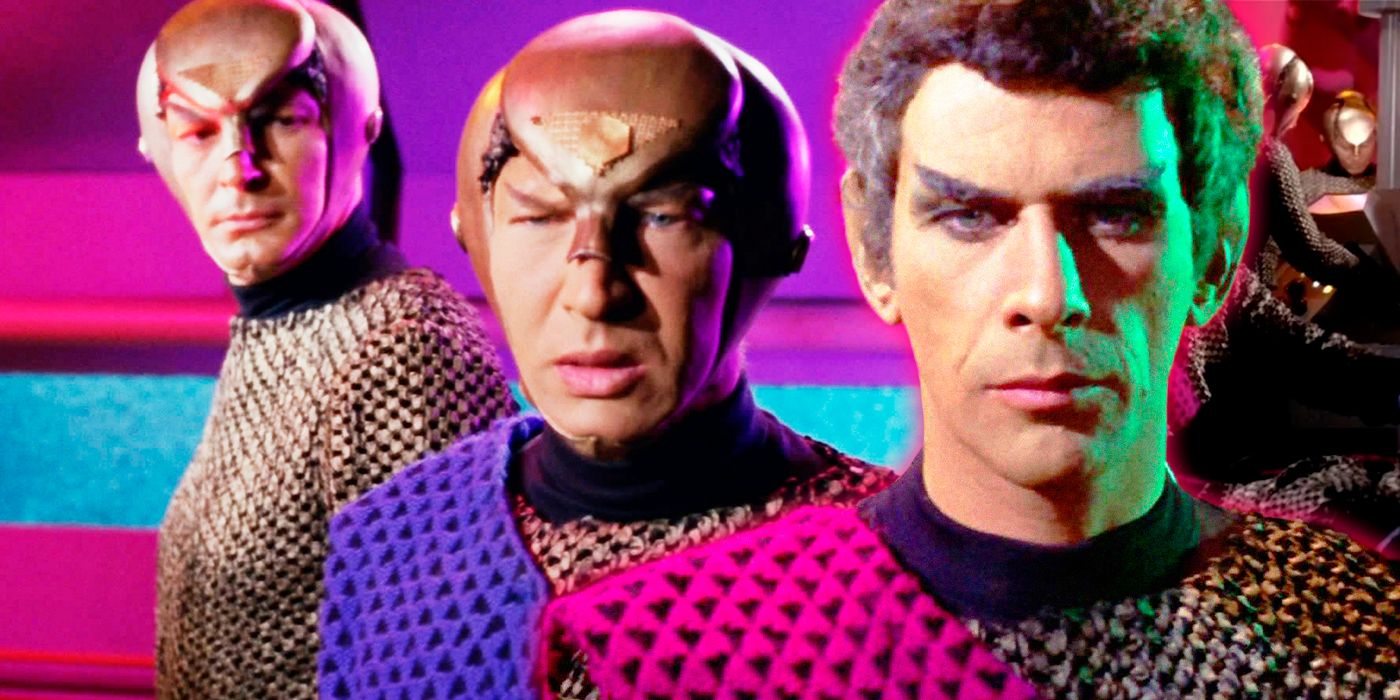
Before "The Man Trap" ever flickered onto black-and-white TV sets, there was "The Cage." This is the real Star Trek the Original Series first episode in terms of creation. It featured Captain Christopher Pike, not James T. Kirk. Spock was there, but he was weirdly emotional—he actually smiles when he sees some singing plants. It’s jarring to watch now.
NBC famously rejected it for being "too cerebral." They hated Number One, the female second-in-command played by Majel Barrett, and they thought Spock looked satanic with those ears. Most networks would have just cancelled the whole thing right then. Instead, they did something almost unheard of in TV history: they ordered a second pilot.
That gave us "Where No Man Has Gone Before." This was the introduction of William Shatner as Kirk. It’s got a gritty, 1960s sci-fi vibe with those glowing silver eyes and the tragic descent of Gary Mitchell into godhood. But even then, NBC didn't lead with it. They held it back. They were hunting for something "accessible."
Why "The Man Trap" Won the Race
So, why did a story about a creature that looks like a rug-covered buffalo become the official debut?
Simple: it was easy to follow. "The Man Trap" (Production code 06) felt like a space-western mystery. Kirk, McCoy, and a doomed redshirt beam down to Planet M-113. McCoy runs into an old flame, Nancy Crater. But Nancy isn't Nancy. She’s the last of a species that needs salt to survive, and she’s sucking the sodium right out of the crew's skin.
It established the "Landing Party" trope immediately. You have the Captain, the Doctor, and the expendable security guy. It also gave us the first real look at the banter between Kirk and McCoy. Interestingly, the audience in 1966 had no idea who these people were. There was no "origin story." The Enterprise was just already out there, doing its thing.
The episode is actually pretty dark if you think about it. It’s about extinction. The "monster" isn't evil; it’s just hungry and lonely. That’s the classic Roddenberry touch. Even in a clunky monster-of-the-week script written by George Clayton Johnson, there’s a layer of tragedy. The creature is the last of its kind. When it dies, a whole civilization ends.
The Weird Continuity of the Early Days
Because NBC aired the episodes out of order, the Star Trek the Original Series first episode created some massive continuity headaches. In "The Man Trap," the uniforms are the standard ones we know—gold, blue, and red. But then, a few weeks later, the network aired "Where No Man Has Gone Before," where the collars are different and the ship looks slightly more primitive.
Fans were confused. Was the ship de-evolving? No, just a network shuffle.
If you really want to get into the weeds, look at the credits. In the first few aired episodes, you can see the show finding its feet. The chemistry between Nimoy and Shatner wasn't quite "there" yet in the footage they shot first. Spock is still shouting his lines in some of these early productions. He hadn't found that cool, logical Vulcan "zen" that would eventually define the character and the entire franchise.
Shatner’s Kirk vs. Pike’s Pike
Comparing the rejected first pilot to the aired premiere shows exactly what the 1960s audience wanted. Jeffrey Hunter’s Pike was brooding. He was tired of being a captain. He was thinking about quitting and going back to Earth to raise horses. He was human, but maybe a bit too relatable in his misery.
Shatner brought a kinetic energy. His Kirk was a swashbuckler. Even in "The Man Trap," where he’s mostly just trying to figure out why his crew is dropping dead with red circles on their faces, he’s decisive. He’s the boss. NBC knew that to sell a show about the "Final Frontier," they needed a leading man who looked like he was enjoying the ride, not someone having an existential crisis.
What Most People Get Wrong About the Premiere
The biggest misconception? That "The Man Trap" was a massive hit.
Honestly, the reviews were mixed. Variety called it "an incredible mess of a story." Critics didn't know what to make of the "Vulcanian" or the technobabble. It took time for the audience to grow. If Star Trek premiered today with the same initial ratings and critical reception, it might not have survived its first season. We only have the rest of the franchise because of a dedicated fan base that found the "intellectualism" NBC was so afraid of.
Essential Viewing Steps for New Fans
If you're trying to experience the Star Trek the Original Series first episode the "right" way, don't just watch what's first on the list. Follow this flow to actually understand the evolution of the show:
- Watch "The Cage" first. It’s the raw, unpolished DNA of Trek. It feels like a 1950s pulp novel brought to life. Note how different the bridge looks—it's much darker and more cramped.
- Move to "Where No Man Has Gone Before." This is the bridge between the Pike era and the Kirk era. You get to see the transition of the uniforms and the introduction of the primary cast, though Uhura and McCoy are notably absent or different.
- Finally, watch "The Man Trap." Experience it as the 1966 audience did. Don't look for a back story. Just accept that these people are in deep space and things are about to get weird.
- Pay attention to the background characters. You’ll see actors like Nichelle Nichols and George Takei starting to carve out their space on the bridge, even if they don't have much to do yet.
The real magic isn't in the plot about the salt vampire. It’s in the realization that, despite the cheap sets and the 1960s hair, the show was trying to say something about humanity's place in the stars. It wasn't perfect, but it was the start of a multi-billion dollar legacy.
To truly appreciate it, you have to look past the rubber mask of the creature and see the ambition of a crew that was, quite literally, going where no one had gone before on television.