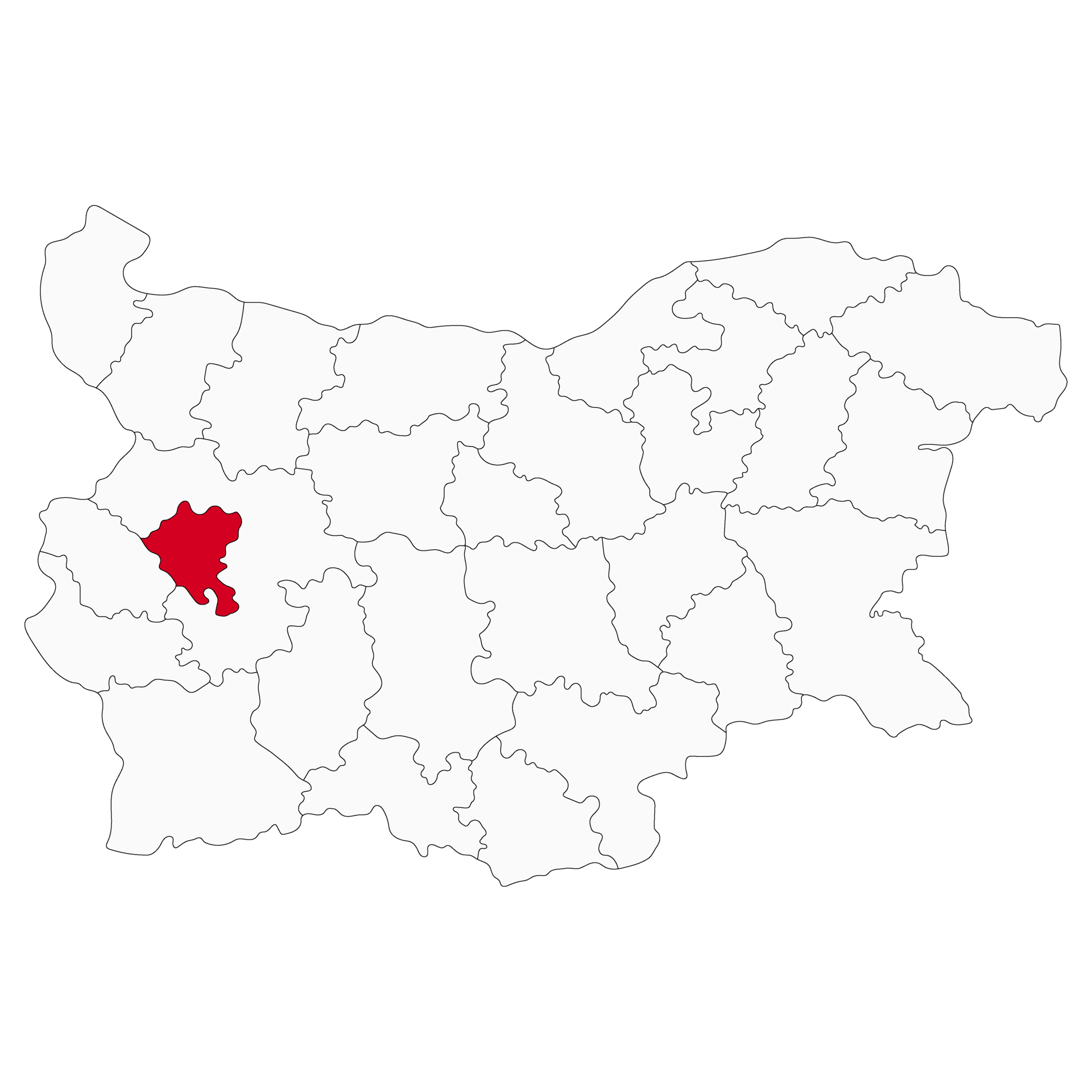
You’ve probably seen the name pop up on a cheap flight board or maybe a trivia app. Sofia is the capital of Bulgaria, but honestly, just knowing the name of the country is the bare minimum. People usually dump it into the "generic Eastern European city" bucket. That is a massive mistake.
Sofia isn’t just some post-communist relic. It’s one of the oldest cities in Europe—we’re talking 7,000 years of people living on this exact spot. It sits in a valley at the foot of Vitosha Mountain, looking like a weirdly beautiful mix of Roman ruins, Soviet concrete, and gold-domed churches.
It’s a city that literally "grows, but does not grow old," which is its official motto. Kinda poetic, right? But the reality on the ground in 2026 is a lot more chaotic and exciting than a tagline.
Why Everyone Forgets Where Sofia Is (And Why It Matters)
Geography can be a bit of a blur when you're looking at the Balkans. For the record, Bulgaria sits right above Greece and Turkey, and Sofia is tucked away in the western part of the country.
Most people think of Bulgaria and immediately picture the Black Sea beaches of Varna or Sunny Beach. But the real soul of the country is up here, 550 meters above sea level.
What’s wild is the "Triangle of Religious Tolerance." Right in the center, you have a mosque, a synagogue, and an Orthodox church all within a five-minute walk. In 2026, they actually added a Catholic cathedral to the mix, making it a "square." It’s a living reminder that this city has been a crossroads for the Romans, Byzantines, Ottomans, and Soviets.
Everyone left something behind.
The Roman Empire Under Your Feet
If you take the metro to the Serdika station, you’re not just catching a train. You’re walking through a literal open-air museum. When they were building the station, they stumbled upon the ancient Roman city of Serdica. Instead of paving over it, they integrated it.
You can walk on 2,000-year-old stones while people rush to work with their lattes. It’s bizarre. It’s also where Emperor Constantine the Great famously said, "Serdica is my Rome." He almost made it the capital of the whole Roman Empire before he settled on Constantinople.
The 2026 Reality: A City In Transition
Sofia is currently going through a bit of an identity crisis, but in a good way.
As of January 2026, Bulgaria is finally making its big move into the Eurozone. This is a huge deal for anyone visiting. You don't have to scramble for Bulgarian Lev anymore, though you’ll still see the old prices hanging around in the smaller mehanas (traditional taverns).
There’s a specific energy in the air this year. The Ministry of Tourism officially declared 2026 the "Year of Cultural Tourism." They’re trying to move away from the "cheap beer" reputation and show off the fact that the oldest gold treasure in the world was found here.
What You'll Actually Experience
- Vitosha Boulevard: This is the main pedestrian drag. It’s lined with high-end shops and cafes. It’s great for people-watching, but if you want real food, duck into the side streets.
- The Yellow Cobblestones: The center is paved with literal yellow bricks—a wedding gift from the Austro-Hungarian Empire. They are incredibly slippery when it rains. You’ve been warned.
- Mineral Springs: Right next to the Sofia History Museum (which used to be a bathhouse), there are public taps where hot mineral water flows 24/7. Locals fill up giant jugs of it. It smells a bit like sulfur, but they swear by the health benefits.
Beyond the Postcards: The Hidden Side
If you want to understand why Sofia is the capital of Bulgaria in a meaningful way, you have to look at the "Sofia Holy Mountain." It’s not one mountain, but a ring of 14 monasteries hidden in the forests around the city.
During the Ottoman occupation, these places were the only reason Bulgarian culture and the Cyrillic alphabet survived. Speaking of which, Bulgarians created the Cyrillic alphabet. Not Russia. That’s a hill locals will die on, and they celebrate it every May 24th with massive parades.
The Soviet Shadow
You can’t talk about Sofia without mentioning the "Largo." It’s a massive complex of Socialist Classicism architecture. It’s imposing. It’s gray. It’s also where the President and the Prime Minister work.
But if you head to the Museum of Socialist Art, you’ll find a graveyard of giant Lenin statues and red stars that used to sit on top of buildings. It’s a weirdly peaceful place to process the country’s 20th-century history.
Survival Tips for the Modern Traveler
Honestly, Sofia is safer than most Western European capitals. You can walk around at 2 AM and the most dangerous thing you’ll face is a cracked sidewalk. But there are a few things to keep in mind:
- The Head Shake: This is the classic trap. In Bulgaria, a nod means "no" and a shake means "yes." Even though younger people in Sofia are starting to align with the rest of the world, older shopkeepers will still confuse the hell out of you.
- The Water: It’s perfectly safe to drink the tap water. Don’t waste money on plastic bottles.
- Transport: Download the Spark app for electric car sharing or use the metro. It’s one of the cleanest and cheapest in Europe. A single ticket is about 1.60 BGN (or roughly 0.80 Euro in the new currency system).
What’s Next For You?
If you're planning a trip, don't just stay in the city center. Hop on the 66 bus or take a taxi to the Simeonovo gondola. Within 30 minutes, you’ll be on Vitosha Mountain. In the winter, you can ski. In the summer, you can hike to the Golden Bridges, which are giant "stone rivers" left over from the Ice Age.
For a real taste of the local life, head to the Zhenski Pazar (Women’s Market). It’s loud, it’s messy, and it’s where you’ll find the best banitsa (a flaky cheese pastry) for less than a dollar.
Sofia is a city of layers. You just have to be willing to peel them back. Start by visiting the Alexander Nevsky Cathedral at sunset—the gold domes against the blue Balkan sky is a view you won't forget.