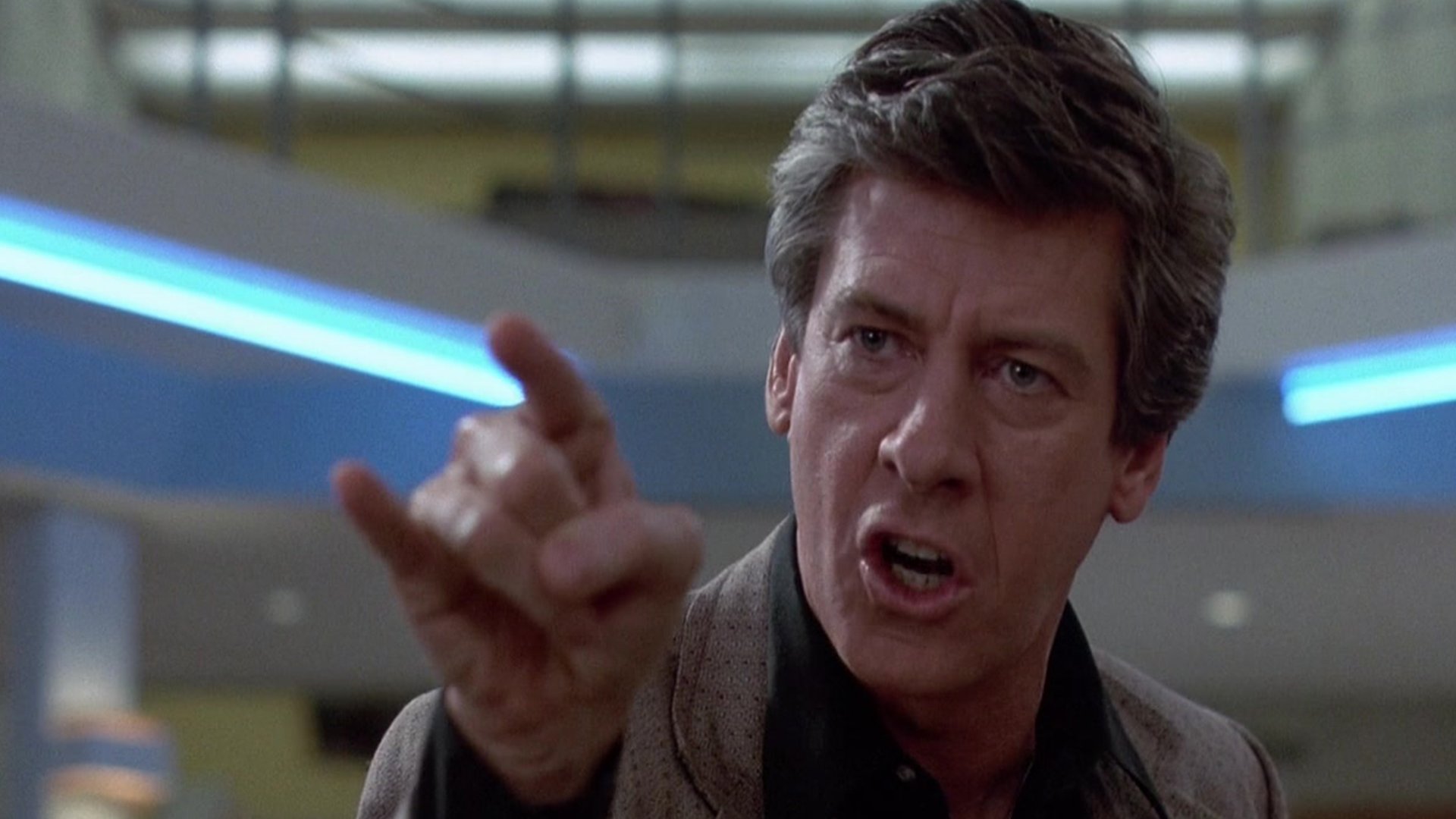
We all know the face. That jutting jaw, the cheap polyester suit, and the kind of simmering, low-grade resentment that only a man who spends his Saturdays in a windowless high school library can truly possess. When Paul Gleason stepped onto the screen as Richard Vernon in 1985, he didn't just play a villain. He became the universal avatar for every "jerk" authority figure we’ve ever had the misfortune of meeting.
But here's the thing: Paul Gleason in The Breakfast Club is a lot more than just a 2D caricature of a mean principal.
If you watch the movie now, decades later, Vernon feels different. He’s not just a bully; he’s a warning. He’s a guy who realized too late that he doesn't like the person he became, and he’s taking it out on kids who still have a chance to be someone else. Honestly, Gleason played that nuance so well that people spent the next twenty years assuming he was actually a jerk in real life.
Spoiler alert: he wasn't.
The "Bull" Behind the Horns
"Don't mess with the bull, young man. You'll get the horns."
It’s one of the most quoted lines in cinema history. It’s also a perfect distillation of who Richard Vernon was—or who he wanted people to think he was. Gleason brought a physicality to the role that felt dangerous. He didn’t just yell; he loomed.
Kinda crazy when you realize that Gleason wasn't even a "theater kid" originally. He was an athlete. A real one. Before he ever put on the suit for Shermer High, he was playing professional baseball for the Cleveland Indians' farm system. You can see that competitive, coiled energy in the way he walks into the library. He’s not a soft academic; he’s a guy who looks like he could actually "knock your dick in the dirt," as he so eloquently threatened John Bender.
Most people don't know that Gleason actually studied under Lee Strasberg. Yeah, the father of method acting. He wasn't just some guy they found to play a principal; he was a serious craftsman who spent his time in the Actors Studio alongside the greats.
Why We Needed Richard Vernon
The Breakfast Club works because of the "Brat Pack," sure. But without a formidable wall to run into, the kids' rebellion wouldn't mean anything. Vernon provides the friction.
There’s a scene that often gets overlooked because it’s not as "cool" as the dancing montage or the heart-to-heart on the floor. It’s the moment in the basement where Vernon is drinking a beer with Carl the Janitor. He asks Carl, "The kids, they're different now, aren't they?"
Carl tells him they aren't; Vernon is.
That’s the core of why Paul Gleason in The Breakfast Club is such a powerhouse performance. He shows us a man who is terrified of becoming obsolete. He’s making $31,000 a year (which, honestly, wasn't much even in '85) and he’s terrified that these "punks" are going to grow up and look down on him. It’s a pathetic, human motivation that Gleason pins to the wall with zero vanity.
The "Movie Jerk" Legacy
Gleason basically owned the 1980s. If you needed a guy who was smug, incompetent, or just plain mean, you called Paul.
- He was Clarence Beeks in Trading Places, the industrial spy who ends up in a gorilla suit.
- He was Deputy Police Chief Dwayne T. Robinson in Die Hard, the guy actively making John McClane’s life harder while a building is literally exploding.
- He even sent himself up in Not Another Teen Movie, playing a parody of his Vernon character.
But despite the typecasting, Gleason was a poet. No, literally. He published a book of poetry. He was close friends with Jack Kerouac. Imagine that for a second: the guy who played the most "square" principal in history spent his youth hitchhiking and talking philosophy with the King of the Beats.
What Really Happened to Paul Gleason?
It’s a bit of a tragic story, actually. Gleason died in May 2006 at the age of 67. The cause was pleural mesothelioma, a rare and aggressive lung cancer.
The crazy part is how he got it. It wasn't from smoking or some "Hollywood" lifestyle. It’s believed he was exposed to asbestos as a teenager while working on construction sites with his father. It’s a sobering reminder that while we saw him as this invincible, ageless authority figure, he was just a guy who had worked hard his whole life.
He worked right up until the end. He didn't turn down roles. He loved the craft, even if the craft usually asked him to be the guy everyone hated.
Actionable Insights for Fans and Actors
If you're looking to appreciate Gleason's work or understand character acting better, here is what you should do:
- Watch the "Basement Scene" Again: Look at Gleason’s eyes when he talks to Carl. That’s where the real acting is. He isn't the "bull" there; he’s a tired man.
- Explore the "Jerk" Trilogy: Watch The Breakfast Club, Die Hard, and Trading Places back-to-back. Notice how he makes "being a jerk" feel different in every role. Robinson is incompetent; Beeks is cold; Vernon is frustrated.
- Appreciate the Craft of the Foil: Understand that a hero is only as good as their antagonist. Without Gleason, John Bender is just a loud kid. With Gleason, John Bender is a rebel.
Next time you see a guy in a suit acting like he owns the place on a Saturday morning, just remember: he might just be a poet who happens to be really good at his job.