You’ve seen the photos. Those neon pink floats drifting in turquoise water and the disco ball hanging over a bathtub. It’s a lot. Honestly, when most people think of a Maldivian getaway, they picture hushed whispers, beige linen, and "wellness" retreats that feel a bit like a library. The Standard Huruvalhi Maldives isn't that. It’s loud. It’s playful. It’s arguably the most honest resort in the Raa Atoll because it doesn't pretend that being on a private island is anything other than a high-end playground.
Most people get the Maldives wrong. They think it's just for honeymooners who want to stare at each other in silence for six days. If that’s your vibe, you might find the "Adults Only" pool at The Standard a bit too energetic. But if you want a place where the house reef is actually thriving and the DJ at the beach club knows exactly when to transition from lo-fi beats to house music, this island hits differently.
What makes Huruvalhi stand out from the 150-plus other resorts?
It’s the lack of pretension. Usually, at this price point, you’re dealing with a certain level of stuffiness. Here, the staff—they call them "Standard Family"—wear tropical prints and actually seem like they’re having a good time. The resort sits on Huruvalhi Island, which is about a 35-minute seaplane journey from Malé.
The geography matters. Unlike some of the newer, man-made islands in the Maldives that feel a bit sterile, Huruvalhi has a natural, established feel. The greenery is thick. The sand isn't just imported; it belongs there. You have 115 villas, and while the overwater bungalows are the big draw, the garden villas are surprisingly private.
People obsess over the "Instagrammable" spots, but the real win is the glass-bottom floor in the overwater villas. You're brushing your teeth while a blacktip reef shark swims under your feet. It’s wild.
The overwater villa vs. beach villa debate
Look, everyone wants the overwater villa. It’s the dream. At The Standard Huruvalhi Maldives, every single villa—no matter the category—comes with a private infinity pool. That’s a massive plus. You don't have to "upgrade" just to get a plunge pool.
- Overwater Villas: These are oriented for either sunrise or sunset. If you're a morning person, get the sunrise side; it’s cooler in the afternoon. The direct lagoon access is great, but keep in mind that at low tide, the water under some of these can get pretty shallow.
- Beach Villas: These are often overlooked but they are actually larger. You get your own private stretch of sand and more shade. If you’re traveling with kids, or if you just hate the idea of a long walk down a wooden jetty every time you forget your sunglasses, stay on the beach.
The interiors aren't your typical "tropical chic." Think vibrant colors, activity books, and even a ukulele in the room. It’s quirky. It’s very much in line with The Standard’s brand in West Hollywood or London, just transported to the middle of the Indian Ocean.
Dining is where it gets interesting
Food in the Maldives is notoriously expensive. Everything is flown in. However, the quality at The Standard Huruvalhi Maldives is surprisingly high across their six restaurants.
Guduguda is the standout. It’s a traditional Maldivian restaurant, which is actually rare. Most resorts stick to "International Buffet" or "Italian Fusion." At Guduguda, you’re sitting on floor cushions, eating masriha (tuna curry) and coconut rice. It’s authentic. The flavors are bright, spicy, and heavy on the lime and chili.
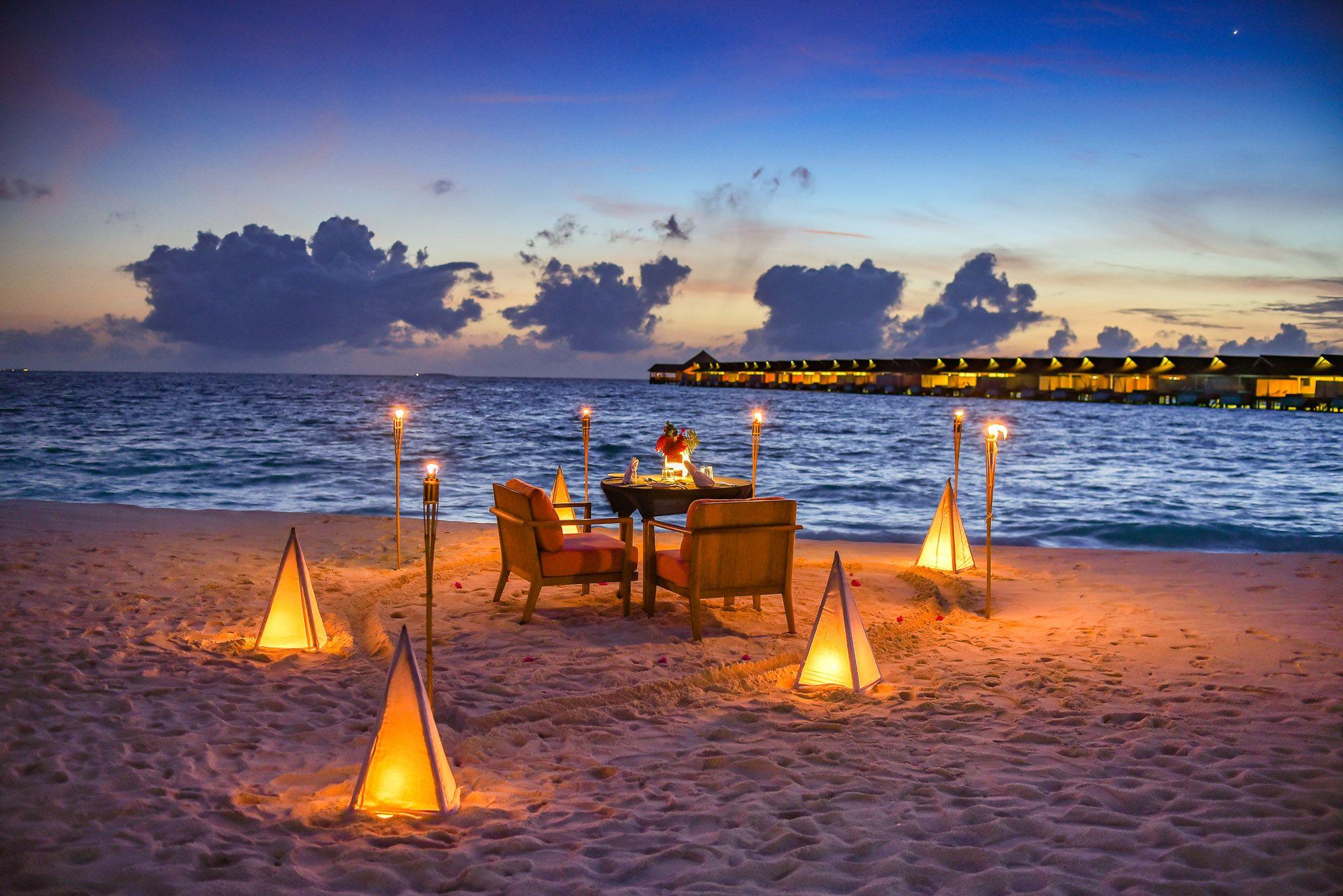
Then you have Kula, the main all-day dining spot. It’s a buffet, but it’s a good buffet. You aren't getting soggy pasta. They have live cooking stations where the chefs are actually engaged. For something more laid back, BBQ Shak on the beach is basically feet-in-the-sand dining with grilled seafood that was likely caught a few miles away that morning.
The Bar Scene
The Beru Bar is a glass-bottomed club over the water. It’s strictly for adults in the evening. This is where the disco ball comes into play. It’s one of the few places in the Maldives where you can actually dance. If you’re looking for a "vibe," this is it. If you want a quiet sunset, head over to Todis Bar by the pool. Their cocktails use local ingredients like screwpine and coconut, and they don't skimp on the pours.
Sustainability isn't just a buzzword here
We have to talk about the reef. The Raa Atoll is known for its biodiversity. The Standard has a dedicated on-site marine biologist. They have a coral restoration program where guests can actually plant coral frames.
It’s not just for show. The house reef is accessible directly from the beach. You don’t need to take a boat out to see something cool. Within five minutes of snorkeling, you’ll likely see hawksbill turtles, eagle rays, and an endless parade of parrotfish. The resort has also moved away from single-use plastics—they have their own water bottling plant on the island.
The Reality of the Cost
The Maldives is never "cheap." Anyone telling you otherwise is selling something. But The Standard Huruvalhi Maldives sits in that "attainable luxury" bracket. You’re looking at anywhere from $400 to $900 a night depending on the season and the villa type.
Then there’s the seaplane. That’s usually around $450 to $500 per person round trip. It’s a fixed cost you can't really avoid. Is it worth it? Yes, because the flight over the atolls is basically a scenic tour in itself. The colors of the water from 2,000 feet up are something you’ll never forget.
Is it good for families?
Surprisingly, yes. Most "cool" hotels ignore kids. This one doesn't. The Lil’ Shark Kids Club is actually legitimate. They do sandcastle competitions, nature walks, and craft sessions that aren't just "here’s a movie and some popcorn." Because the island is relatively small and easy to navigate, it feels safe. Parents can actually have a drink at the beach club while the kids are occupied.
What most people get wrong about the "Party" reputation
There’s a misconception that The Standard is just a 24/7 rave. It’s not. It’s just not boring. You can still have a totally peaceful, meditative experience at The Standard Spa. They have a communal hammam, an aroma steam room, and they do sound healing sessions.
The spa is actually one of the best designed spaces on the island. It’s overwater, and the treatment rooms have views that make it hard to keep your eyes closed during a massage. They use organic products, and the therapists are incredibly skilled—not just going through the motions.
Actionable Advice for Your Trip
If you’re actually going to book a stay at The Standard Huruvalhi Maldives, keep these specific tips in mind to maximize the experience:
- Book the All-Inclusive Plus package. Honestly. Unless you don't drink alcohol and plan on eating one meal a day, the à la carte prices will haunt you. The plus package includes most meals, drinks, and even some excursions like sunset dolphin cruises or snorkeling trips.
- Pack your own snorkel gear. While the resort provides it for free, having your own mask that actually fits your face makes a world of difference when you’re out on the house reef for two hours.
- Visit in the shoulder season. Late April or early November. The weather is still mostly great, but the prices drop significantly compared to the Christmas/New Year peak.
- Download the app. The resort uses an app for everything—booking dinner, checking the activity schedule, even chatting with your "island host." It saves you from having to call the front desk for every little thing.
- Don't skip the night snorkeling. The reef changes completely at night. The predators come out, and the coral looks different under a torch. It’s a bit spooky but totally exhilarating.
The Maldives is changing. The old guard of stiff, silent luxury is being challenged by places like The Standard. It’s about personality. It’s about the fact that you can wear a sequined bikini or a beat-up t-shirt and nobody cares. It’s a high-energy take on paradise that manages to keep its soul intact. If you want the Indian Ocean with a side of disco and a really good curry, this is where you go.
Final Logistics to Consider
Check the seaplane schedules. They only fly during daylight hours. If your international flight lands in Malé after 3:30 PM, you’re going to have to spend a night in a city hotel or take a domestic flight followed by a speedboat, which is a lot more tiring. Aim for a morning arrival in Malé so you can be on the island by lunchtime. Also, the island has its own "island time"—usually one hour ahead of Malé—to give guests an extra hour of daylight. It takes a day to get used to, but you’ll appreciate the late sunset when you're on your second margarita at the beach club.