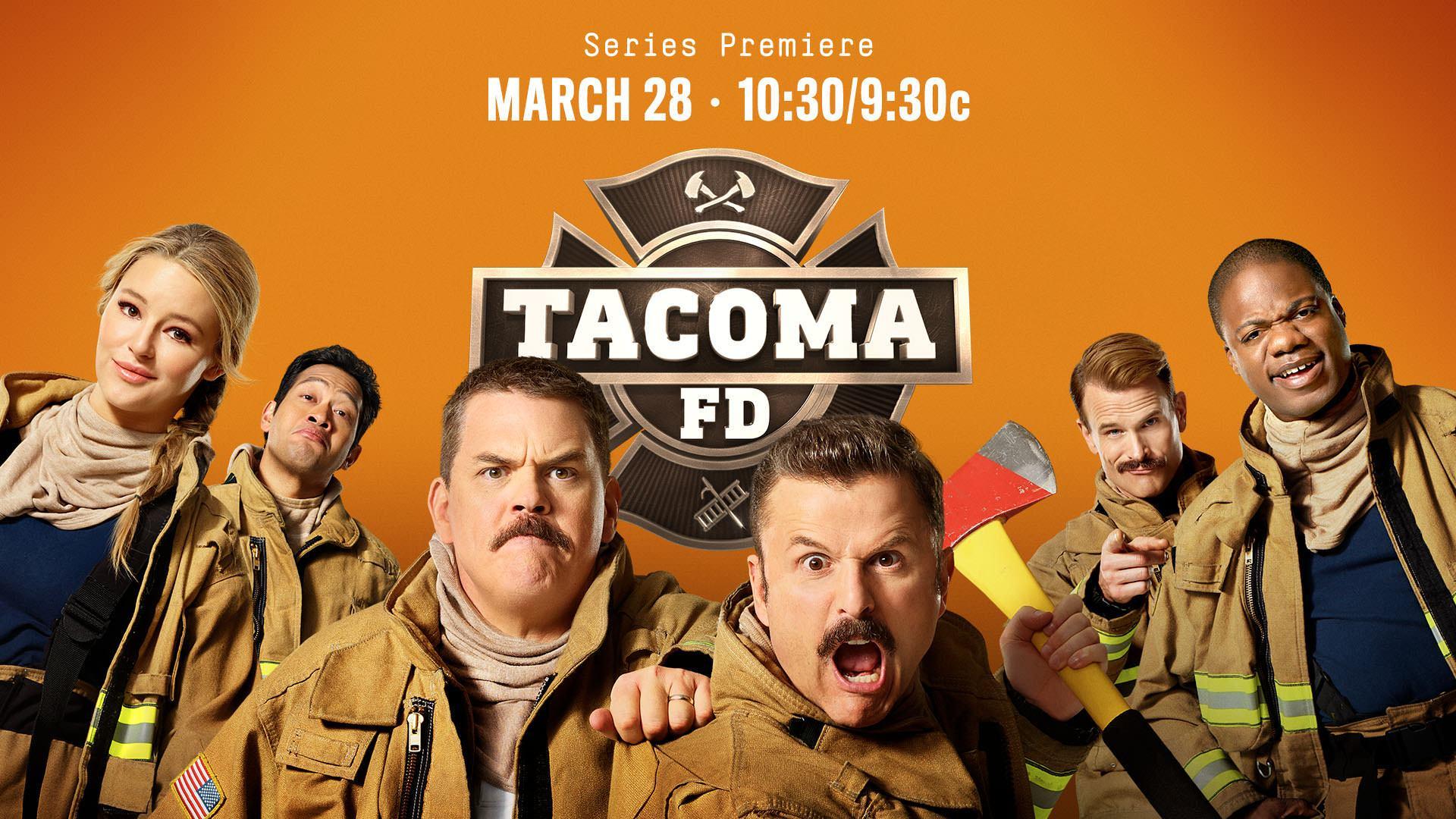
You’re scrolling through Netflix or TruTV and see a bunch of guys in firefighter uniforms. They look goofy. There’s a mustache that deserves its own zip code. You think, "Hey, my kid loves fire trucks, maybe we should watch this."
Stop right there. Tacoma FD isn’t Paw Patrol. It’s not even close. If you’re looking for a Tacoma FD parents guide, you need the unfiltered reality: this show is basically Super Troopers in a firehouse. That makes sense, considering it was created by Kevin Heffernan and Steve Lemme, two pillars of the Broken Lizard comedy troupe.
It’s hilarious. It’s lighthearted. But for a seven-year-old? It’s a minefield of "Mommy, what does that word mean?"
What Is Tacoma FD Actually About?
Most people assume a show about firefighters involves, well, fighting fires. Not here. Tacoma is one of the wettest cities in America, so the crew at Station 24 spends most of their time fighting boredom instead of flames.
The humor is rooted in workplace pranks, physical comedy, and a lot of "guy talk." It’s rated TV-MA (and sometimes TV-14 depending on the edit), and that rating isn't just for show. You’re looking at a group of adults behaving like teenagers.
Honestly, the "firefighter" aspect is just a backdrop for absurd competitions. Like who can eat the most cream puffs or who can stay in a sauna the longest. It’s charming, but the dialogue is peppered with enough spice to make a middle schooler’s eyes pop.
The Big Three: Language, Substance, and Sex
When you look at a Tacoma FD parents guide, you’re usually worried about three specific things. Let’s break them down without the corporate fluff.
1. The Language (It’s colorful)
If you’re sensitive to swearing, this isn't the show for your family night. The "S-word" is a staple. You’ll hear "hell," "damn," "ass," and various creative anatomical insults. While they usually bleep the "F-bomb" on cable, streaming versions might be uncensored.
The insults are often the funniest part, but they aren't exactly "playground friendly." They lean heavily into "ball-busting" culture. It’s that specific brand of friendship where you show affection by relentlessly making fun of your best friend’s failures.
2. Sexual Content and Innuendo
There isn't much graphic nudity. You aren't watching Game of Thrones. However, the dialogue is incredibly suggestive. There are frequent jokes about bodily functions, reproductive organs, and sexual encounters.
One character, Eddie Penisi (played by Steve Lemme), is the primary source of this. His last name is literally a setup for four seasons of jokes. If you aren't ready to explain why everyone is giggling at a surname, maybe skip this one.
3. Drugs and Alcohol
These guys drink. A lot. After-shift beers at the local bar are a recurring setting. There are episodes centered around being hungover or getting drunk. While the show doesn't necessarily "glamorize" hard drug use, it treats social drinking as a baseline for adult life.
There are also references to medicinal or recreational marijuana, especially given the setting in Washington state. It’s handled with a "shrug and a laugh" rather than a moral lesson.
Why Teens Love It (And why that might be okay)
Here’s the thing. If you have a 14 or 15-year-old, they’ve probably heard worse in the school hallways.
The show has a surprisingly big heart. Underneath the pranks and the crude jokes, the crew at Station 24 really cares about each other. It’s a show about "found family." Chief Terry McConky (Heffernan) is a dad trying to keep his crew safe, and his daughter Lucy is one of the firefighters, which adds a layer of actual family dynamics to the chaos.
Lucy McConky is actually a great character for older kids to see. She’s tough, capable, and stands her ground in a male-dominated field without losing her personality. She isn't just "the girl" on the team; she’s often the smartest person in the room.
Violence? Not really.
Unlike Chicago Fire or 9-1-1, there isn't much "scary" violence. You won't see many charred bodies or traumatic accidents. The "emergencies" they respond to are usually ridiculous—like a guy stuck in a tailpipe or a cat that’s actually a raccoon.
It’s "sitcom violence." Someone might fall off a roof or get hit in the face with a ball, but it’s always played for laughs. It’s the Looney Tunes version of first responding.
Breaking Down the Cast and Their Influence
When considering a Tacoma FD parents guide, it helps to know who your kids are watching.
- Chief Terry McConky: He’s the bumbling but lovable leader. He’s prone to vanity and overreacting. He’s a "good guy," but he makes terrible decisions.
- Eddie Penisi: The "cool guy" who is actually just a man-child. He’s the one most likely to say something inappropriate.
- Granny, Ike, and Andy: The rest of the crew. They represent different archetypes—the sensitive one, the meathead, and the naive one.
The "danger" here isn't that your kid will become a criminal. It’s that they’ll start mimicking the "roasting" culture. If your family dynamic doesn't thrive on sarcasm and lighthearted insults, this show will feel like a bad influence.
Specific Content Warnings for Parents
If you decide to let your older kids watch, here are a few specific things that pop up:
Gross-out Humor: This is a hallmark of the creators. Expect jokes involving vomit, urine, and various other bodily fluids. It’s "frat boy" humor. If you find Dumb and Dumber funny, you’ll be fine. If you prefer Downton Abbey, you’ll be horrified.
Workplace Misconduct: In the real world, 90% of what they do would get them fired immediately. Pranking a rookie by locking them in a dark room or "hazing" rituals are common themes. It’s important to tell kids that real firehouses have actual rules.
Medical Situations: Occasionally, they handle "medical" calls. These are rarely accurate. They use a lot of jargon, but it’s mostly gibberish. It’s not an educational show.
The Verdict: Who is Tacoma FD For?
Honestly? It’s for adults who want to turn their brains off after a long day.
For Kids (Under 12): No. It’s too crude. The jokes will go over their heads, or worse, they’ll repeat them at Thanksgiving dinner.
For Young Teens (13-15): Use your judgment. If they watch PG-13 movies and you're okay with some "potty humor" and swearing, it’s relatively harmless compared to something like South Park.
For Older Teens (16+): They’ve seen worse on TikTok. At this age, the show is just a fun, silly comedy about people who like their jobs.
Actionable Steps for Parents
Before you hit play, do these three things:
- Watch the Pilot Solo: The first episode sets the tone perfectly. If you aren't laughing in the first ten minutes, or if you’re cringing at the language, you’ll know it’s a "no-go" for the kids.
- Check the "Cringe Factor": Think about your kid's maturity level. Do they know the difference between "TV talk" and "real world talk"? If they don't, the sarcasm in this show can be confusing.
- Talk About the "Banter": If you do watch it together, use it as a moment to talk about workplace dynamics. Explain that while the characters are mean to each other, they are actually best friends who have each other's backs in a fire.
Tacoma FD is a blast. It’s one of the few pure comedies left on TV that doesn't try to be a "preachy" drama. But as a parent, you’re the gatekeeper. Just remember: once your kid hears Eddie Penisi’s name, there is no going back.
Check the ratings on your specific streaming service, as Netflix sometimes labels seasons differently than TruTV did during the original run. Stay informed and enjoy the stache.