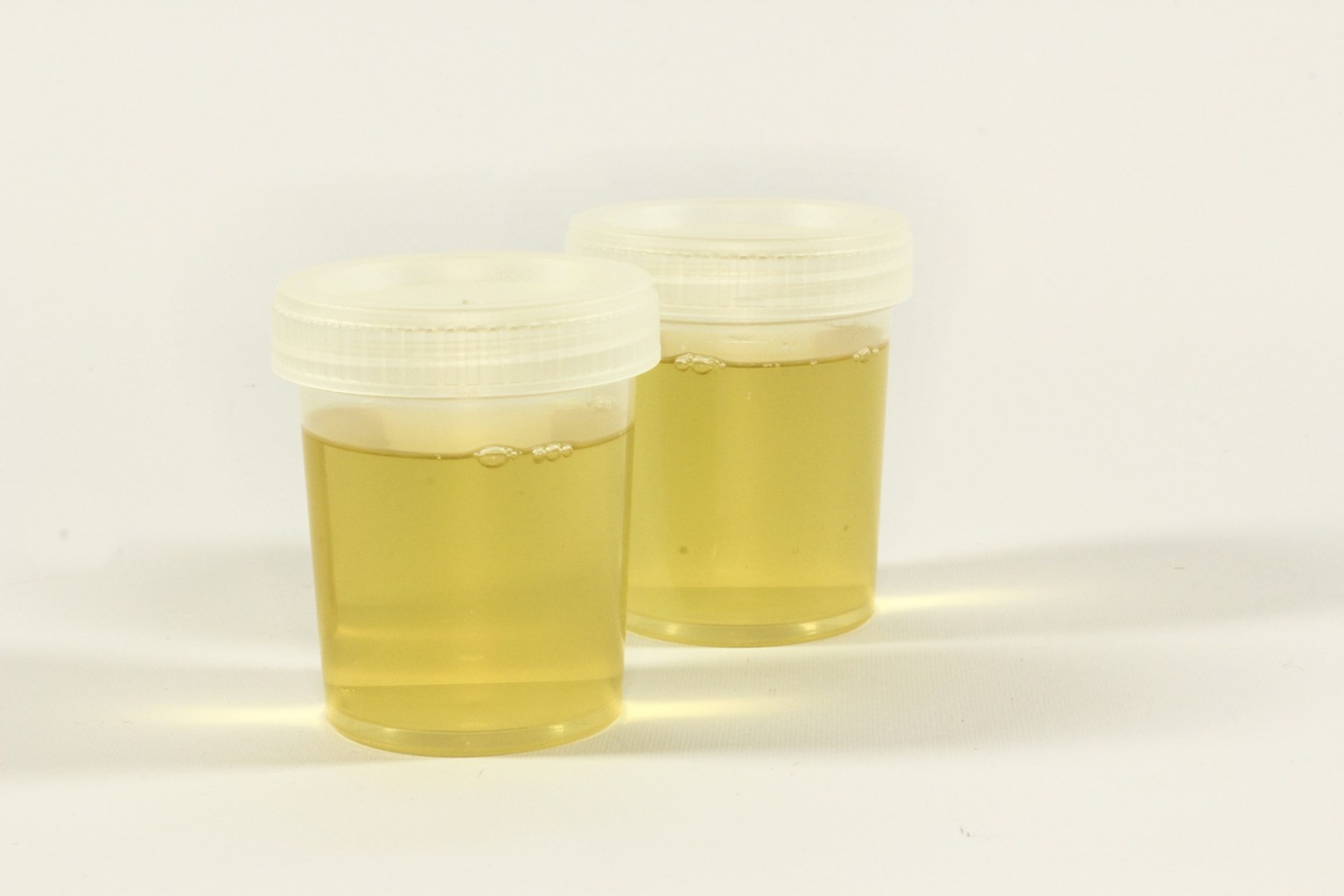
You’ve probably heard it a thousand times. Maybe it was during a high school health class, or perhaps it was a survivalist on TV claiming you could use pee to clean a wound in a pinch. The idea is everywhere. People genuinely believe that until it leaves the body, urine is as clean as a whistle.
It's a lie.
Actually, it's more of a misunderstanding that got cemented into public consciousness decades ago. If you’ve been wondering is human urine sterile, the short answer is a hard no. It’s not. Not even before it hits the air. Not even when it’s still sitting in your bladder.
The 1950s mistake that fooled everyone
We can basically blame one guy for this: Edward Kass. Back in the 1950s, Kass was a researcher at Harvard, and he was trying to find a way to screen for urinary tract infections (UTIs) before they became full-blown kidney disasters. He developed a "midstream" test. He decided that if a urine sample had fewer than 100,000 colony-forming units of bacteria per milliliter, it was "negative."
Over time, "negative for infection" got swallowed up and spit back out by the public as "sterile."
There’s a massive difference between "no dangerous levels of infection-causing bacteria" and "zero bacteria." Science just didn't have the tools back then to see the tiny, quiet microbes living in healthy people. We were looking for the loud, angry bacteria that cause pain. We ignored the ones that were just... hanging out. It’s kinda like looking at a forest from a plane and saying there are no animals because you can't see any bears. You're totally missing the squirrels, the bugs, and the birds.
The big reveal: The female urinary microbiome
For a long time, doctors treated the bladder like a sealed, antiseptic vault. Then came 2012. Researchers at Loyola University Chicago, including Dr. Alan Wolfe and Dr. Linda Brubaker, decided to actually look closer. They used something called 16S rRNA gene sequencing. This technology doesn't require bacteria to grow in a petri dish—it just looks for their DNA signature.
What they found changed everything.
Even in women who had zero symptoms of a UTI, the bladder was teeming with life. They discovered a whole ecosystem now called the Female Urinary Microbiome (FUM). It turns out, the bladder has its own "good" bacteria, much like the gut or the vagina. We’re talking about Lactobacillus, Corynebacterium, and Streptococcus.
These aren't "invaders." They belong there.
Is human urine sterile in men?
Men often get left out of this conversation because, honestly, the anatomy is different and the research trailed behind for a bit. But the answer remains the same. Studies have shown that the male urethra and bladder also host a variety of microbes.
While the "flow" might be different, the environment isn't a vacuum. Bacteria migrate. They colonize. They exist. If you’re a guy thinking your plumbing is a bleach-clean laboratory, think again. It’s a biological system. Biological systems are messy.
Why the "Pee on a Wound" advice is actually dangerous
This is where the myth gets risky. If you're out hiking and you get a nasty gash, someone might joke—or seriously suggest—that you should urinate on it because it's "sterile."
Please don't.
Since we now know that is human urine sterile is a myth, you’re basically pouring a warm, nutrient-rich broth of bacteria directly into an open wound. You aren't disinfecting anything. In fact, you might be introducing Staphylococcus or other skin-dwelling microbes that hitch a ride as the urine exits the body.
If you have clean water, use it. If you have nothing, even just leaving it alone is often better than applying a "treatment" that is literally bodily waste.
Survival myths and the "drinking pee" dilemma
Then there’s the Bear Grylls factor. People think that because urine is "sterile," it’s safe to drink in a survival situation. This is a double whammy of bad information.
First, the bacteria. As we’ve established, it’s not germ-free. Second, the chemistry. Urine is where your body puts the stuff it doesn't want. It’s full of urea, salts, and minerals that your kidneys worked hard to get rid of. Drinking it is like a thirsty person drinking seawater; the high salt content actually dehydrates you faster. It puts an enormous strain on your kidneys, which are already struggling if you're stranded in the desert.
The US Army Survival Manual actually lists urine as a "do not drink" substance. They know what’s up.
Understanding the "Midstream" catch
When you go to the doctor and they hand you a plastic cup, they tell you to start peeing, stop, then put the cup under the stream. This is called a "clean catch."
The reason they do this isn't because the urine in your bladder is sterile. It’s because the skin around the exit—the urethra—is covered in a completely different set of bacteria. By letting the first bit of urine go into the toilet, you’re essentially "flushing the pipes" of those external contaminants.
This gives the lab a clearer picture of what’s happening inside the bladder specifically. Even then, the lab techs expect to see some "background noise" of bacteria. They only get worried when the numbers spike or specific "bad" bacteria like E. coli show up in high volumes.
The nuances of "Clean" vs "Sterile"
In the medical world, words have very specific meanings.
- Sterile means a total absence of all living microorganisms. Think of a surgical tool that’s been through an autoclave.
- Clean means there isn't a significant amount of pathogenic (disease-causing) bacteria.
Urine can be "clean" in a healthy person, but it is never "sterile." It’s a nuanced point, but it matters when we talk about health and safety. The fact that we have a urinary microbiome might actually be a good thing. These "resident" bacteria might help prevent infections by taking up space so that the bad guys can't get a foothold.
We are still learning how this ecosystem works. Some researchers believe that shifts in these bacterial populations might be linked to things like overactive bladder or interstitial cystitis.
Real-world implications for UTIs
If you’ve ever had a UTI that came back negative on a standard culture test, this research is for you. Standard hospital cultures are often designed to grow E. coli. If your infection is caused by a slow-growing or "fussy" bacterium that doesn't like the lab's agar plates, the test says you're fine.
But you aren't fine. You're in pain.
Because we now know the bladder isn't a sterile void, doctors are beginning to use more advanced testing (like PCR) to identify the specific bugs causing trouble. This is the future of urology. It moves us away from the "one size fits all" antibiotic approach.
What you should actually do with this info
So, what's the takeaway? Knowing that your urine isn't sterile shouldn't make you feel gross. It’s just how the human body works. We are more microbe than man, honestly.
- Stop using urine as a first-aid tool. It’s not a disinfectant. Keep it in the toilet.
- Don't drink it. Even in an emergency, the salt and waste products are a net negative for your survival.
- Re-evaluate your UTI history. If you have chronic bladder issues but "clear" tests, talk to a specialist about advanced microbiome testing.
- Trust the "clean catch" method. It’s still the best way to get a decent sample, even if it’s not perfect.
- Keep your microbiome happy. Drink plenty of water. Your bladder is an ecosystem; it needs a healthy environment to function correctly.
Practical steps for bladder health
Instead of worrying about sterility, focus on balance.
If you're dealing with recurring issues, look into your diet and hydration levels. Some people find relief with D-Mannose or specific probiotics that target the urinary tract. Always consult a urologist if things feel "off." The old school idea that any bacteria in the bladder is a "problem" is dead. The goal now is a healthy, balanced community of microbes.
When someone tries to tell you pee is sterile, you can now politely correct them. It's a 70-year-old myth that's finally being debunked by modern DNA sequencing. Science moves fast, and sometimes the textbooks take a while to catch up.
Your bladder isn't a desert; it's a garden. Treat it like one.
Actionable Insight: If you are currently treating a wound, skip the folk remedies. Use potable water or a saline solution ($0.9% NaCl$). If you are concerned about a urinary tract infection, request a "comprehensive urine culture" or a "PCR-based urine test" if standard cultures keep coming back negative despite your symptoms. Awareness of the urinary microbiome is the first step toward better diagnostic outcomes.