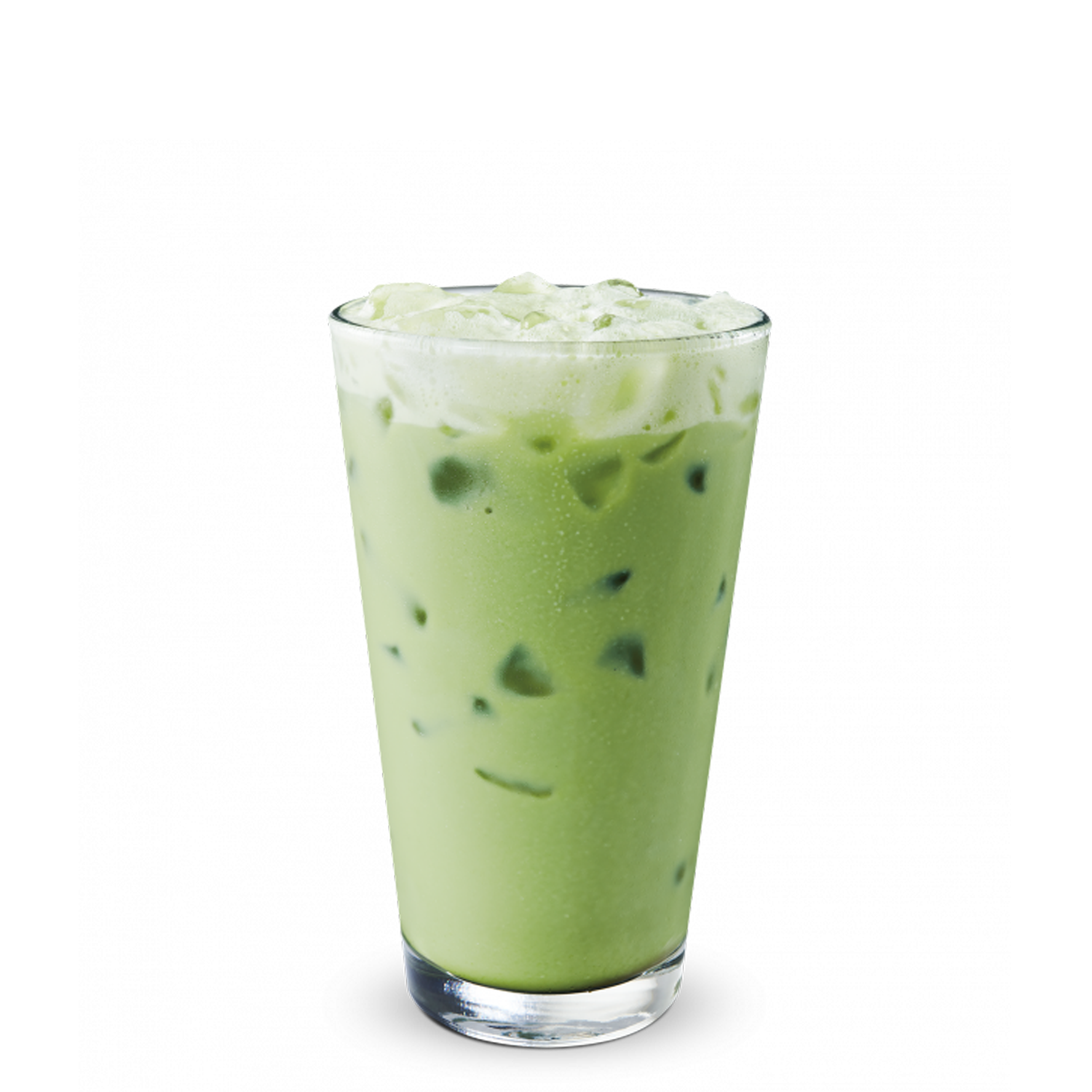
You’re standing in line, looking at that vibrant green glow in someone else's plastic cup, and you think, "Yeah, I need that." It looks healthy. It looks fresh. But the iced matcha green tea latte Starbucks serves up is a bit of a mechanical mystery once you pull back the curtain on how they actually make it. It’s not just ground-up leaves and water.
Most people assume they're getting a ceremonial experience. They aren't. Honestly, it’s more of a dessert than a health tonic, but that hasn't stopped it from becoming a cult classic.
The Sugar Secret Inside the Green Powder
Here is the thing about the Starbucks matcha blend: it is pre-mixed. If you walk into a high-end tea house, they’ll whisk pure, emerald-green powder into hot water before pouring it over ice. At Starbucks? The "Matcha Tea Blend" is a 50/50 split—roughly—of ground green tea and plain old cane sugar.
You can’t ask for "no sugar" in the matcha itself. It’s physically impossible. The sugar is already in the bag.
A standard Grande (16 oz) packs about 28 grams of sugar. To put that in perspective, a Snickers bar has about 20 grams. You’re drinking a caffeinated candy bar that happens to be green. This is why it tastes so good. Pure matcha is earthy, grassy, and sometimes uncomfortably bitter for the uninitiated. Starbucks "approachable" version leans heavily into the sweetness to mask that seaweed-like aftertaste that pure Tencha leaves often carry.
Why the Color Isn't Always the Same
Ever notice how sometimes your drink is a dull olive and other times it’s neon? That isn't just the lighting. Matcha is highly sensitive to light and oxygen. Starbucks uses a blend sourced primarily from Japan, but the sheer scale of their supply chain means those bags sit in warehouses.
When chlorophyll breaks down, the color fades. If your barista reaches for a bag that's been open too long or sitting under the hot bar lights, your latte is going to look a little sad. It still tastes fine, but you lose that "Instagrammable" pop.
Breaking Down the Build
How do they actually make an iced matcha green tea latte Starbucks style? It’s a process called "shaking," though some baristas will just stir it if they’re in a rush (don't let them do that, it clumps).
- They pump milk into a shaker—usually 2% by default.
- They add the scoops of matcha blend. Two for a Tall, three for a Grande, four for a Venti.
- Ice goes in.
- They shake it vigorously.
This aeration is vital. Matcha doesn't "dissolve" like sugar or salt; it’s a suspension. The tiny particles of leaf are just floating. If it isn't shaken, you end up with "matcha slugs" at the bottom of your cup—slimy, bitter clumps of powder that didn't integrate. If you see your barista just pouring milk over the powder and swishing it, kindly ask them to shake it. It changes the texture entirely, making it frothy and creamy.
The Caffeine Reality Check
If you're switching from coffee to matcha to "quit caffeine," I have some news. You’re still getting buzzed. A Grande iced matcha latte has about 80mg of caffeine. A standard cup of Pike Place roast has about 310mg. So, yes, it’s lower, but it isn't decaf.
The difference is the L-theanine. This is an amino acid found in tea leaves that promotes relaxation without drowsiness. It basically "buffers" the caffeine. Instead of the jagged, heart-palpitating spike you get from an Americano, matcha gives you a slow burn. No jitters. No 2:00 PM crash where you feel like you need a nap under your desk. It’s "productive" energy.
Customizations That Actually Work
If the standard recipe feels too heavy, there are ways to pivot.
- The Milk Swap: 2% milk is the standard, but oat milk is the objective winner here. The nuttiness of the oat complements the grassiness of the matcha way better than dairy does. Coconut milk makes it taste like a melted popsicle.
- The "Pro" Move: Add a pump or two of Chai syrup. It sounds weird. Do it anyway. The spices in the chai (cinnamon, clove, ginger) dance with the green tea in a way that’s honestly addictive.
- The Cold Foam Craze: Adding Vanilla Sweet Cream Cold Foam on top is the current trend. It makes the drink incredibly rich, basically turning it into a green tea milkshake.
Is It Actually Healthy?
Let’s be real. "Healthy" is a relative term.
Matcha is packed with antioxidants, specifically EGCG (epigallocatechin gallate), which is linked to heart health and metabolism boosts. Because you’re consuming the whole leaf—ground into powder—rather than just steeping it, you’re getting way more nutrients than a standard green tea bag.
However.
The sugar content in the Starbucks version negates a lot of those "wellness" vibes. If you’re drinking it every day, those 200+ calories and 28g of sugar add up. If you want the health benefits without the sugar bomb, you’re better off buying high-quality ceremonial grade matcha (like from Ippodo or Jade Leaf) and making it at home with a sugar-free sweetener.
But for a mid-afternoon treat? The Starbucks version is a masterpiece of food engineering.
Common Misconceptions and Failures
A lot of people think the matcha is "naturally" that sweet. It isn't. If you go to a local indie cafe and order a matcha latte without specifying sweetener, you might be shocked by how "dirty" it tastes. Starbucks has conditioned us to expect a vanilla-adjacent flavor profile.
Another mistake is the "No Ice" hack. People think they’re getting more drink. Technically, you are getting more milk, but the ratio of matcha powder stays the same. You end up with a diluted, lukewarm, milky mess. The ice is necessary to keep the suspension stable and the temperature crisp.
Better Ways to Order
If you want to maximize the flavor of your iced matcha green tea latte Starbucks experience, try ordering it with "light ice" and "extra shake." The extra shaking time ensures every single molecule of tea is hydrated.
You can also experiment with the "dirty matcha." This is a matcha latte with a shot of espresso dropped in. It looks like swamp water. It looks disgusting. But the bitter coffee and the earthy tea create a complex, smoky flavor profile that's surprisingly sophisticated. It’s a polarizing drink, but the people who love it really love it.
Actionable Steps for Your Next Visit
To get the most out of your next green tea fix, follow these specific tweaks instead of just ordering off the menu:
- Switch to Soy Milk: Starbucks soy milk is vanilla-flavored. It pairs perfectly with the matcha blend and adds a creamy density that 2% lacks.
- Request "Double Shaken": This prevents the dreaded powder clumps at the bottom and creates a thicker foam on top.
- Try it with Toffee Nut: One pump of toffee nut syrup cuts the "grassy" notes if you’re someone who finds matcha a bit too earthy.
- Check the App Calories: If you’re tracking macros, remember that swapping to almond milk drops the calories significantly, but it also makes the drink much thinner. Balance accordingly.
- Watch the Barista: If they don't use the shaker, don't be afraid to ask them to re-do it. A stirred matcha is a wasted $6.
Buying a matcha at Starbucks is more about the ritual and the texture than it is about a traditional tea ceremony. Understand that you're buying a sweetened beverage, customize the milk to fit your palate, and always ensure it's shaken—never stirred.