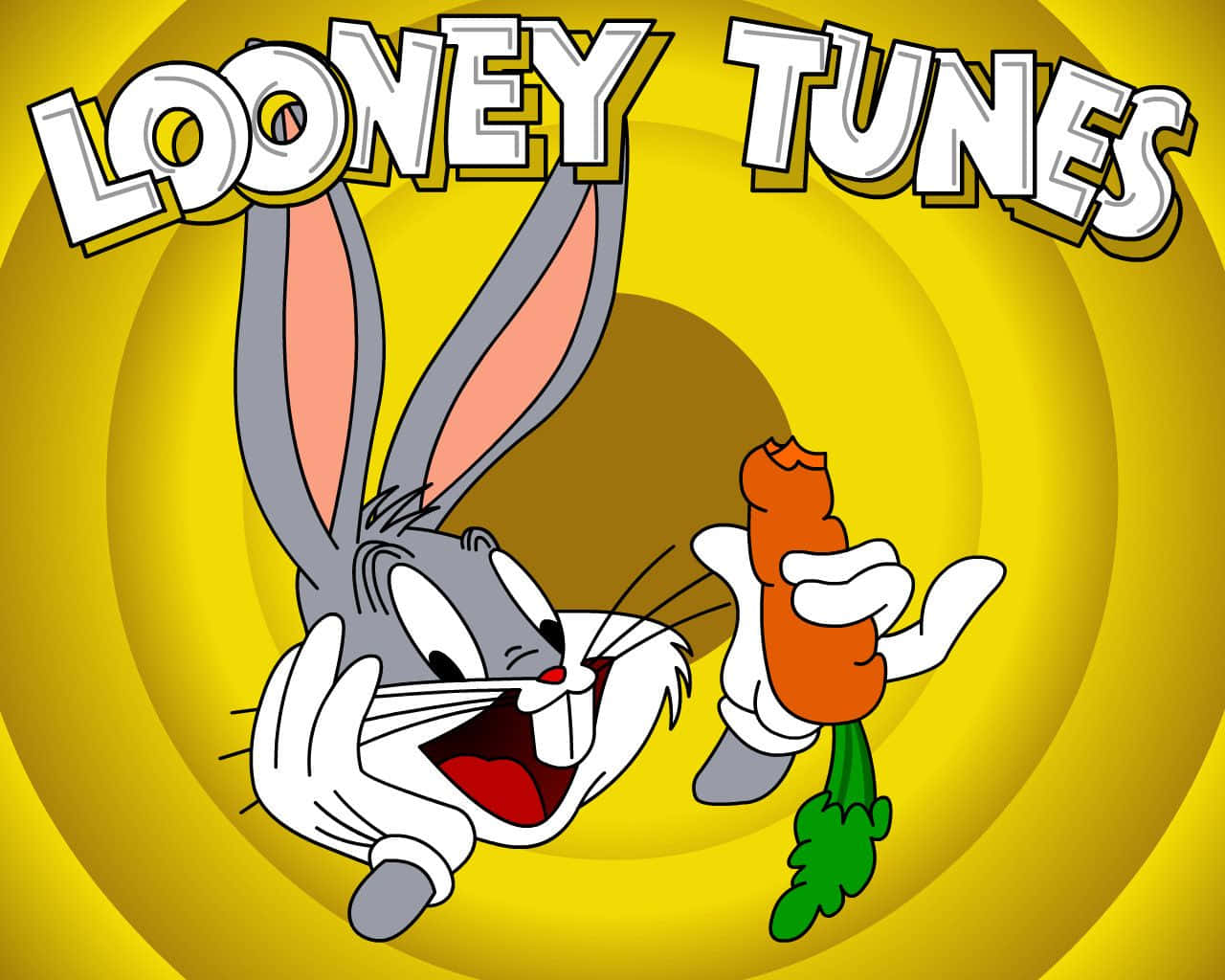
It started with a rhythmic thumping in a darkened tunnel. Then came the squeak of rubber on hardwood. Most people remember the 1996 film Space Jam as the peak of the phenomenon, but the relationship between Bugs Bunny in Jordans actually traces back to a 1992 Super Bowl commercial that felt like a fever dream at the time. Nike was taking a massive gamble. They paired the greatest basketball player on the planet with a sarcastic cartoon rabbit to sell the Air Jordan VII.
It worked.
People didn't just buy the shoes. They bought the concept of "Hare Jordan." This wasn't just some cheap licensing deal where a brand slaps a logo on a lunchbox. It was a cultural pivot. Nike realized that Michael Jordan’s gravity was so strong he could pull even the Looney Tunes into his orbit, creating a bridge between elite professional athletics and Saturday morning cartoons.
The 1992 Origins of Hare Jordan
The "Hare Jordan" campaign was the brainchild of Jim Riswold, a creative director at Wieden+Kennedy. Riswold was the same guy who paired MJ with Spike Lee’s Mars Blackmon. He had this weird, brilliant idea: what if Michael Jordan’s new teammate was a rabbit?
Initially, Warner Bros. was hesitant. They were protective of Bugs. They didn't want him being used as a corporate shill without a very specific creative direction. But Nike poured money into the animation. They brought in legendary animator Darrell Van Citters to ensure Bugs looked and moved like, well, Bugs. When the "Hare Jordan" commercial aired during Super Bowl XXVI, it wasn't just an ad. It was a 60-second short film.
Bugs Bunny was wearing the "Bordeaux" colorway of the Air Jordan VII. He wasn't just a mascot; he was a sneakerhead before the term was even a thing. That commercial cost roughly $1 million to produce, which was an astronomical sum for an ad in the early 90s.
Why the Jordan VII Was the Perfect Match
The Air Jordan VII was a departure for Nike. It was the first Jordan shoe to drop the "Nike Air" branding on the exterior. It was purely Jordan Brand. The tribal-inspired patterns and the Huarache-style inner bootie gave it a futuristic, jagged look that complemented the chaotic energy of a cartoon character.
You had Michael, the stoic "Air Apparent," and Bugs, the trickster. This contrast gave Nike a way to appeal to kids without losing the "cool" factor that adults craved. It made the brand feel approachable. It made Michael Jordan feel human—or at least, like someone who could hang out with a rabbit.
Space Jam and the Global Explosion
If the 1992 commercials were the spark, Space Jam was the supernova. Released in November 1996, the movie was essentially a 90-minute Nike commercial with a plot. But nobody cared because it was fun.
The image of Bugs Bunny in Jordans—specifically the Air Jordan 11 "Space Jam" colorway—became the defining aesthetic of the mid-90s. The AJ11 is arguably the most important sneaker ever made. Patent leather on a basketball shoe? It was unheard of. Tinker Hatfield, the designer, wanted something that looked like a tuxedo but performed like a tank.
When Bugs laced those up to take on the Monstars, he wasn't just a toon. He was a symbol of the "Coolest Guy in the Room."
Space Jam grossed over $230 million at the box office. It’s easy to look at those numbers now and think it was a guaranteed hit, but the industry was skeptical. A live-action/animation hybrid starring an athlete who had just spent a year playing mediocre minor-league baseball? It was a risk.
The movie solidified the "Hare Jordan" legacy. It led to the creation of specific "Hare" colorways that collectors still scramble for today. The white, silver, and red palette of the original Air Jordan VII "Hare" is a direct homage to the carrot-chomping rabbit.
The Collector’s Market: Beyond the Animation
Sneaker culture is built on storytelling. A shoe is just leather and foam until you give it a narrative. The Bugs Bunny in Jordans narrative is one of the strongest in the Jordan Brand vault.
Take the 2015 "Hare" Jordan 7 retro release. It wasn't just a shoe drop. Nike built a massive marketing campaign around it, including "interviews" with Bugs. They treated him like a retired athlete.
- The Air Jordan 6 "Hare": Released in 2020, this took the classic colorway of the VII and applied it to the VI. It featured carrot-themed lace locks and a multi-colored tongue.
- The Air Jordan 1 "Hare": A more accessible version for the masses, often featuring the "Hare" Jumpman logo on the tongue—Bugs Bunny's silhouette instead of Michael's.
- The "Bugs Bunny" 8s: While the VII is the official "Hare," many collectors associate the Air Jordan VIII with Bugs because of the heavy 90s crossover marketing. The straps on the VIII even look a bit like rabbit ears if you're feeling imaginative.
Honestly, the resale market for these pairs is wild. A deadstock (unworn) pair of original 1992 Hare 7s can fetch thousands. Even the retros maintain high value because they tap into a very specific nostalgia. You aren't just buying a shoe; you're buying a piece of 1992.
What Most People Get Wrong About the Collaboration
A common misconception is that Bugs was the only Looney Tune Nike cared about. In reality, the campaign involved the whole roster—Lola Bunny, Daffy Duck, even Marvin the Martian.
In 2015, Jordan Brand actually leaned into the Marvin the Martian rivalry to promote the Air Jordan 7 "Barcelona Nights" (originally thought to be a Marvin the Martian colorway). This depth shows that Nike wasn't just using a cartoon; they were building a "cinematic universe" before Marvel made it cool.
Another mistake? Thinking this was just for kids.
The 1990s was a decade where the lines between "adult" and "child" entertainment blurred. The Simpsons was huge. Space Jam had jokes that went over kids' heads. By putting Bugs Bunny in Jordans, Nike was signaling to young adults that it was okay to be playful. It broke the "tough guy" image of basketball.
The Technical Art of Animating Sneakers
Animating the Jordans on Bugs Bunny's feet was a nightmare for the 90s artists. Sneakers are rigid, structured objects. Cartoon characters are squashy and stretchy.
The animators had to find a way to make the shoes look like real Nikes while allowing Bugs to move with his signature fluidity. If the shoes were too realistic, they looked like they were floating. If they were too "cartoony," they didn't look like the product Nike was trying to sell.
They eventually landed on a style where the shoes stayed relatively grounded while Bugs’ body did the "acting." This subtle attention to detail is why those old commercials still look good today. They don't feel like cheap CGI. There’s a weight to the shoes.
The Cultural Ripple Effect
Why does this matter 30 years later?
Because it set the blueprint for how brands interact with pop culture. Without Bugs and MJ, we probably don't get Travis Scott Fortnight concerts or high-fashion anime collaborations. It proved that a brand could be "meta." It proved that a fictional character could have "clout."
Even today, you see the influence. When Space Jam: A New Legacy came out with LeBron James, the hype wasn't just about the movie; it was about the LeBron 19 "Space Jam" sneakers. But, if we're being honest, it didn't quite hit the same. There’s a certain magic to the original pairing that’s hard to replicate.
Bugs Bunny represents the ultimate underdog who is also the coolest person in the room. That matches the Michael Jordan mythos perfectly.
How to Style "Hare" Jordans Today
If you've managed to snag a pair of "Hare" 7s or the "Space Jam" 11s, you have to be careful with the fit.
- Don't overdo the theme. Avoid wearing a Bugs Bunny t-shirt with the shoes. It looks like a costume.
- Let the shoes talk. Since the "Hare" colorway is mostly white and light grey with pops of vibrant red and green, wear neutral colors. Black joggers or light-wash denim work best.
- Check the tongue. On the 7s, the pattern on the tongue is unique to every single shoe. No two are identical. Show that off.
Actionable Steps for Collectors
If you are looking to get into the Bugs Bunny in Jordans market, here is how you should approach it:
- Verify the "Hare" 7s: If you are buying a retro pair, check the geometric pattern on the tongue and the underside of the sole. Fakes often get the "neapolitan" colors wrong.
- Storage is Key: The Air Jordan 11s (Space Jams) have an icy blue sole that yellows over time due to oxidation. Store them with silica packets and keep them out of direct sunlight.
- Look for the "Hare" Jordan 1s: These are often the most affordable entry point. They have a unique "Hare" Jumpman logo that makes them a great conversation piece without the $300+ price tag of the 7s.
- Follow the Release Calendars: Jordan Brand likes to surprise drop Looney Tunes-themed gear around anniversaries. 2026 marks the 30th anniversary of Space Jam, so keep your eyes on the SNKRS app for potential "Grail" re-releases.
The partnership between a cartoon rabbit and a basketball legend changed the world of marketing. It took sneakers off the court and into the world of imagination. Whether you're a fan of the animation or just a "sneakerhead," the legacy of Bugs Bunny in his Jordans is a permanent fixture of streetwear history. It’s a reminder that sometimes, the most "ridiculous" ideas are the ones that end up defining a generation.