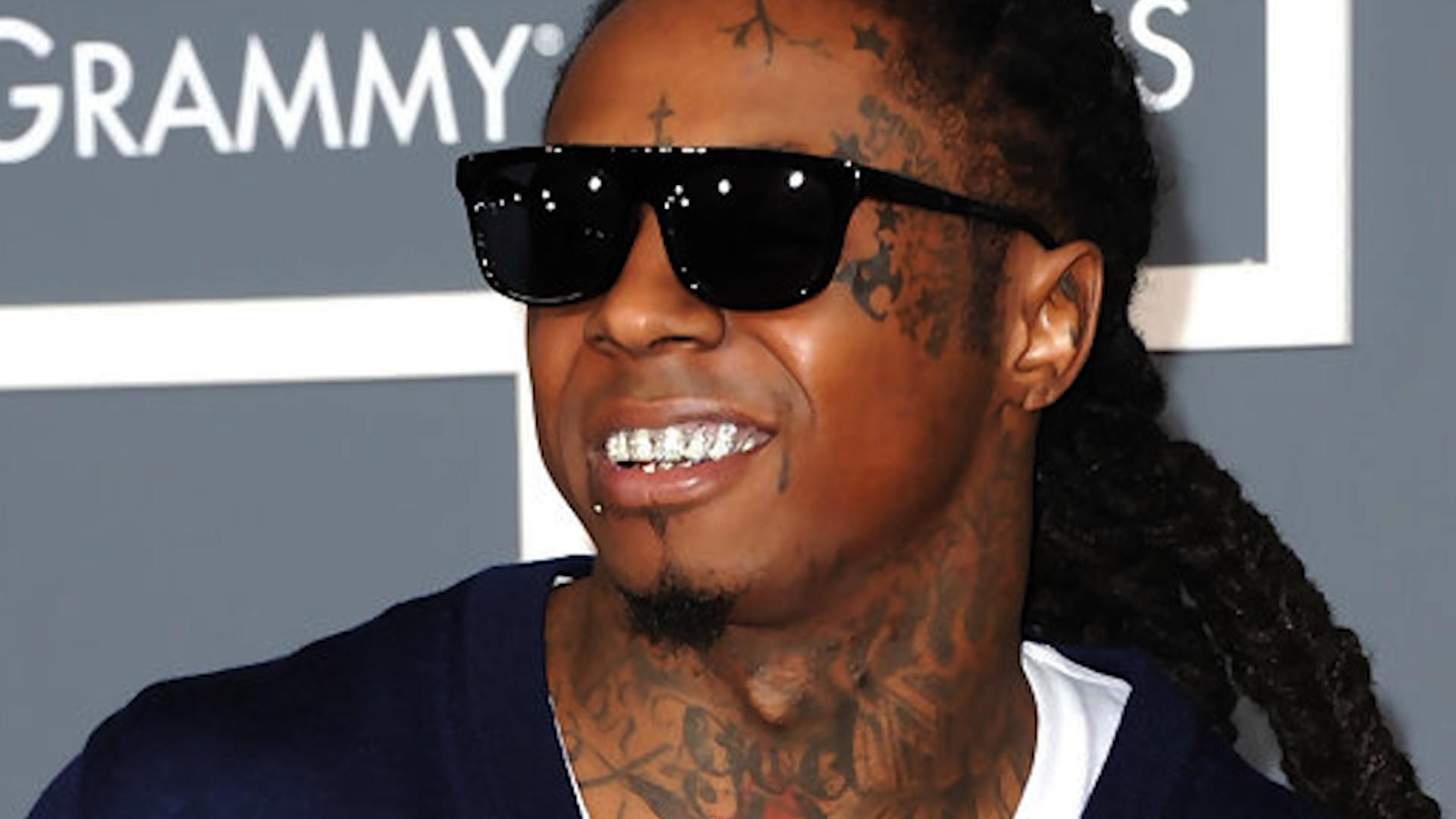
It is hard to remember a time before that word existed. Honestly, try to picture a world where "bling" wasn't in the Oxford English Dictionary or being used by suburban grandmothers to describe their holiday jewelry. It feels impossible. But in 1999, the world was a different place. Hip-hop was transitioning from the gritty, sample-heavy boom-bap of the mid-90s into something flashier, louder, and significantly more expensive. At the center of this seismic shift was a teenager from New Orleans named Dwayne Michael Carter Jr. When we talk about bling bling by lil wayne, we aren't just talking about a song; we are talking about a linguistic viral infection that took over the planet.
The track technically belongs to B.G. (Baby Ganza), but history remembers it as Wayne’s moment. He was the one who handled the hook. He was the one who gave the sparkle a name. At just 16 years old, Lil Wayne wasn't trying to change the English language. He was just trying to describe the way light hit the diamonds on his neck while he moved through the Magnolia Projects.
The 1999 Spark That Went Global
Most people forget that the original version of the track appeared on B.G.’s album Chopper City in the Ghetto. The Cash Money Records roster at the time—The Hot Boys—was a literal powerhouse. You had Juvenile, Turk, B.G., and the "baby" of the group, Wayne. While Juvenile was the star thanks to "Ha" and "Back That Azz Up," it was the infectious energy of bling bling by lil wayne that provided the label with its most enduring cultural export.
The song is a sonic representation of the "New South" dominance. It features that signature Mannie Fresh production: thin, clicking drum machines, heavy basslines, and a sense of celebratory opulence that felt distinct from the darker Mafioso rap coming out of New York at the time.
Cash Money wasn't just rapping about being rich. They were rapping about being conspicuously rich. We are talking about Pricey Mediterranean estates in New Orleans, fleets of yellow Ferraris, and, of course, the jewelry. The "bling" wasn't just a diamond; it was a status symbol that signaled the arrival of a new era of black capitalism in the music industry.
Why the Word Stuck
It’s the onomatopoeia.
Think about it. "Bling" sounds like light reflecting off a hard surface. It’s short. It’s punchy. It’s easy to say. Before Wayne popularized the term, rappers used words like "ice" or "rocks." Those were cool, but they were nouns. "Bling bling" was an aesthetic. It was a lifestyle. It was a verb, a noun, and an adjective all rolled into one. By the time the remix hit the airwaves featuring Birdman and Mack 10, the word had already escaped the confines of the Dirty South and was landing in the mouths of news anchors and soccer moms.
The Lil Wayne Factor: A Star is Born
While B.G. delivers solid verses, the reason the song remains a staple of bling bling by lil wayne searches is because of that chorus. Wayne’s voice in 1999 was high-pitched, energetic, and incredibly confident. He wasn't the lyrical monster he would become during the Tha Carter II or Da Drought 3 eras, but he had an innate sense of melody.
- He knew how to make a phrase "sticky."
- He brought a youthful arrogance that made the excess feel fun rather than intimidating.
- He represented the future of the label.
Interestingly, Wayne later expressed some mixed feelings about the word’s massive success. In various interviews over the decades, he has joked about how the word became "corny" once it reached the mainstream. When a word moves from the streets of New Orleans to a Hallmark card, it loses its "cool" factor for the originators. But you can't argue with the impact.
The Cultural Explosion and the Dictionary
In 2003, "bling-bling" was officially added to the Oxford Shorter English Dictionary. Think about that for a second. A teenager from the 17th Ward wrote a hook for a rap song, and four years later, the keepers of the English language decided it was a permanent fixture of our lexicon.
It wasn't just the dictionary, though. The song influenced the entire jewelry industry. Suddenly, "iced out" watches and oversized platinum pendants weren't just for rappers. They were being sought after by athletes, actors, and corporate titans. The "Bling Era" of hip-hop—roughly 1998 to 2005—was defined by this specific aesthetic. It was the era of the Jacob the Jeweler, the spinning rim, and the oversized white tee.
Everything was bigger. Everything was shinier.
Beyond the Jewelry: The Business of Cash Money
If you look closely at the lyrics and the context of bling bling by lil wayne, you see a blueprint for business. Cash Money Records, led by brothers Bryan "Birdman" Williams and Ronald "Slim" Williams, negotiated one of the most legendary distribution deals in music history with Universal Music Group. They kept their masters. They kept their autonomy.
The "bling" was the marketing.
The diamonds were a visual representation of their leverage. When Wayne rapped about his jewelry, he was effectively telling the industry that the "check" had cleared. It was a middle finger to the old guard of the music business. They didn't need the traditional gatekeepers; they had a sound, they had a slang, and they had a loyal fan base that wanted to live vicariously through their success.
Misconceptions About the Song
People often get a few things wrong when reminiscing about this track. First, many think it’s a solo Wayne song. It’s not. It’s a B.G. song. Wayne just happened to steal the show. Second, some think "bling" was invented on that day in the studio. In reality, the term had been kicking around in New Orleans slang and even in some older hip-hop tracks in various forms (Dana Dane used the sound effect in the 80s), but Wayne was the one who codified it into a specific term for jewelry and luxury.
There is also a common belief that the song is just "dumb rap" about money. But if you listen to the verses, particularly B.G.'s, there’s a grit underneath the shine. They are talking about the transition from "hustling" to "having." It’s a classic American success story, just told through the lens of southern bounce music.
The Long-Term Legacy
What does "bling" look like in 2026?
The term itself has mostly faded from hip-hop’s current vocabulary, replaced by "drip" or "iced out" or simply talking about specific brands like Audemars Piguet or Richard Mille. However, the DNA of the song is everywhere. Every time a rapper posts a video of their new chain on social media, they are paying homage to the foundations laid by the Hot Boys.
Lil Wayne went on to become one of the greatest rappers of all time, a Martian who redefined lyricism. But his contribution to the English language started here. He didn't just give us a song; he gave us a way to describe the feeling of making it against all odds and wanting the whole world to see the reflection.
Actionable Takeaways for Music Fans and Creators
If you are looking to understand the significance of this era or perhaps apply its lessons to your own creative work, consider these points:
- Linguistic Innovation Drives Culture: Don't be afraid to use local slang or "invent" ways to describe your reality. If it’s authentic, it has the potential to go global. Wayne wasn't trying to be a linguist; he was being himself.
- The Power of the Hook: A song’s longevity often relies on a single, repeatable idea. The "Bling Bling" chorus is a masterclass in simplicity and catchiness.
- Visual Branding Matters: The Cash Money era taught us that how you look is just as important as how you sound. They created a visual language (the jewelry, the cars, the tattoos) that was inseparable from the music.
- Study the "New South" Era: To understand modern rap (which is dominated by Southern sounds), you have to go back to the 1998-2000 period of Cash Money and No Limit Records. That is where the current blueprint was drafted.
- Watch the Evolution: Compare the Lil Wayne of 1999 to the Lil Wayne of Tha Carter III. It’s a lesson in growth. He started with a catchy phrase and turned it into a lifelong career as a top-tier lyricist.
Go back and listen to the original "Bling Bling" today. Don't just listen to the hook. Listen to the production. Listen to the hunger in their voices. It’s more than just a throwback; it’s the moment the world started to sparkle.