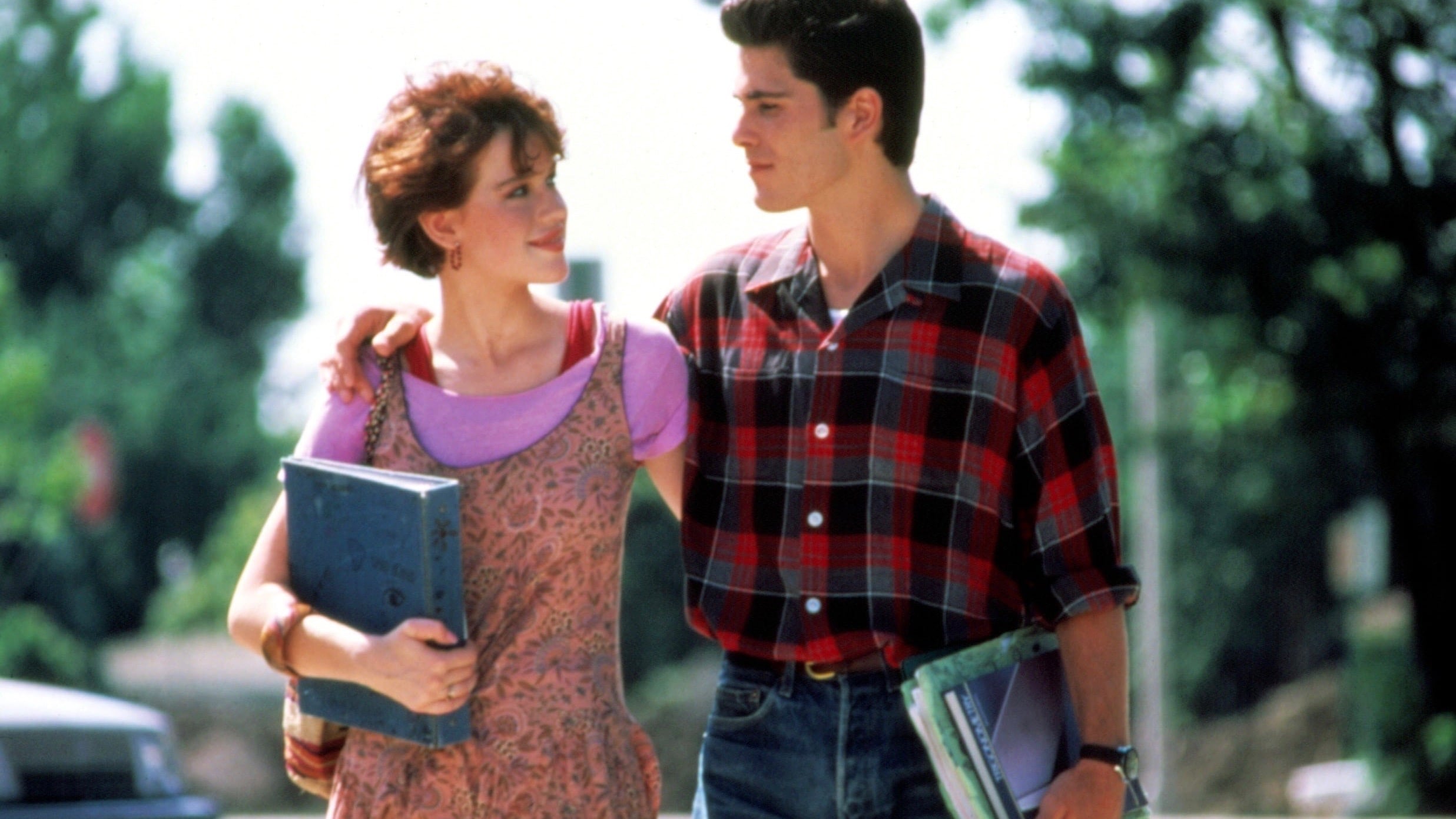
You know the scene. The party is raging, the music is loud, and there’s a girl with perfectly coiffed blonde hair who somehow ends up with her head stuck in a door. That's Caroline Mulford. While everyone spent the 80s obsessing over Jake Ryan’s chin or Sam’s forgotten birthday, Haviland Morris in Sixteen Candles gave us one of the most underrated comedic performances of the decade.
Seriously. Think about it.
Playing the "popular girl" is a thankless job. Usually, they're written as two-dimensional villains meant to be hated. But Haviland Morris did something different. She made Caroline kind of... well, she was human. She was the prom queen who was actually bored with her life. She was the girl who had everything on paper but ended up passing out and getting a jagged haircut from a group of nerds. It was messy. It was hilarious. And honestly, it’s why we’re still talking about her forty years later.
The Role That Defined the "Popular Girl" Archetype
When Haviland Morris stepped onto the set of John Hughes' directorial debut, she wasn't some seasoned veteran. She was 24, playing a teenager, which was (and still is) the Hollywood standard. But she brought a certain maturity to Caroline Mulford. Caroline wasn't just a mean girl. She was sophisticated, or at least she tried to be.
Look at the way she interacts with Michael Schoeffling’s Jake Ryan. There is this palpable sense of "we’re only together because we’re the two best-looking people in the room." When she eventually ends up with Anthony Michael Hall’s "The Geek" (Farmer Ted), it’s not just a punchline. Morris plays the aftermath—waking up in the Rolls Royce with a chunk of hair missing—with such genuine confusion and accidental sweetness that you actually root for the weird pairing.
Why Caroline Mulford Worked
- The Hair Stunt: Getting your hair caught in a retractable door is a nightmare. Morris sold the physical comedy without overacting.
- The Transition: She went from the untouchable queen to someone who actually enjoyed a night with a freshman geek.
- The Style: That 80s aesthetic was peaked in her character—pearls, sweaters, and that "perfect" life that was secretly falling apart.
Life After the Rolls Royce: Where Is Haviland Morris Now?
A lot of people think that if an actor isn't in a Marvel movie today, they’ve "disappeared." That couldn't be further from the truth for Haviland Morris. After Sixteen Candles, she didn't just sit around waiting for another teen rom-com. She worked. A lot.
You might remember her as the high-strung Marla Bloodstone in Gremlins 2: The New Batch. Or maybe you recognize her as the mom in Home Alone 3. She even spent a good chunk of time on the soap opera One Life to Live. She had a solid, respectable career in front of the camera for decades.
But then, she did something most actors are too scared to do. She pivoted.
From Hollywood to Real Estate
If you're looking for a house in New York City today, you might actually run into her. Haviland Morris is now a highly successful real estate associate broker. Specifically, she works with Brown Harris Stevens. It’s a fascinating shift. While Michael Schoeffling famously left acting to become a woodworker, Morris stayed in the public eye but changed the "stage" she stands on.
She has spoken in interviews about how acting actually prepared her for the real estate world. You have to read people. You have to handle rejection. You have to be "on" even when you’re tired. It turns out, selling a multi-million dollar apartment in Manhattan isn't that different from hitting your marks on a John Hughes set.
Misconceptions About the Sixteen Candles Cast
There is a weird myth that the cast of Sixteen Candles hated the movie or each other. That’s mostly internet noise. While some stars, like Molly Ringwald, have looked back on the film with a more critical lens regarding its social politics, the bond between the "older" actors on set was real.
Haviland Morris was part of the group that was actually in their 20s during filming. This included Gedde Watanabe and Blanche Baker. They were the "adults" playing kids, and they formed a tight-knit circle. Morris has often mentioned that the filming of the party scenes—which felt like an actual marathon of chaos—was one of the more memorable, if exhausting, parts of her early career.
Why We’re Still Obsessed With 1984
The year 1984 was a lightning strike for pop culture. Between The Terminator, Ghostbusters, and Sixteen Candles, the movies released that year became the DNA of modern entertainment.
Haviland Morris in Sixteen Candles represented the peak of that era's high school hierarchy. But she also represented the cracks in it. When she hands her underwear to The Geek as a trophy, it's a bizarre, iconic, and very "1980s" moment that signifies the breaking of social barriers. It’s problematic by today’s standards? Sure. Is it a core memory for anyone who grew up with a VCR? Absolutely.
The Haviland Morris Filmography Highlights
- Reckless (1984): Her actual film debut.
- Sixteen Candles (1984): The breakout.
- Who's That Girl (1987): Starring alongside Madonna.
- Gremlins 2 (1990): A masterclass in corporate-villain comedy.
- Home Alone 3 (1997): Proving she could play the "relatable mom" just as well as the "prom queen."
Actionable Insights for Fans and Collectors
If you are a fan of 80s cinema or specifically interested in the trajectory of Haviland Morris's career, there are a few things you can do to dive deeper than just re-watching the movie for the 50th time.
- Check out the 2026 Real Estate Market: If you're genuinely in the market for NYC property, looking up her listings at Brown Harris Stevens is a trip. It's rare to see a celebrity transition so successfully into a "normal" high-stakes career.
- Watch Gremlins 2: If you've only seen her as Caroline, you're missing out. Her performance as Marla is incredibly sharp and shows a range that Sixteen Candles didn't fully exploit.
- Look for the "Blue" Hair: In the original Sixteen Candles scripts and early cuts, there’s more detail about the "hair catastrophe." Pay attention to the continuity of her wig in the final scenes; it’s a fun piece of movie trivia to spot where the "chunk" was missing.
Haviland Morris didn't just play a character; she captured a specific vibe of 1984 that hasn't aged a day. Whether she’s trapped in a door or closing a deal on a penthouse, she remains one of the classiest icons of the Brat Pack era.
To see more of her recent work, you can look for her guest appearances on shows like Blue Bloods or The Good Wife, where she occasionally returns to her acting roots when she isn't busy dominating the New York property market.
Next Steps: To truly appreciate the era, track down the "Director's Cut" or anniversary editions of Sixteen Candles which often feature behind-the-scenes interviews with the supporting cast. Understanding the perspective of the "popular" characters provides a much richer view of how John Hughes constructed his cinematic world.