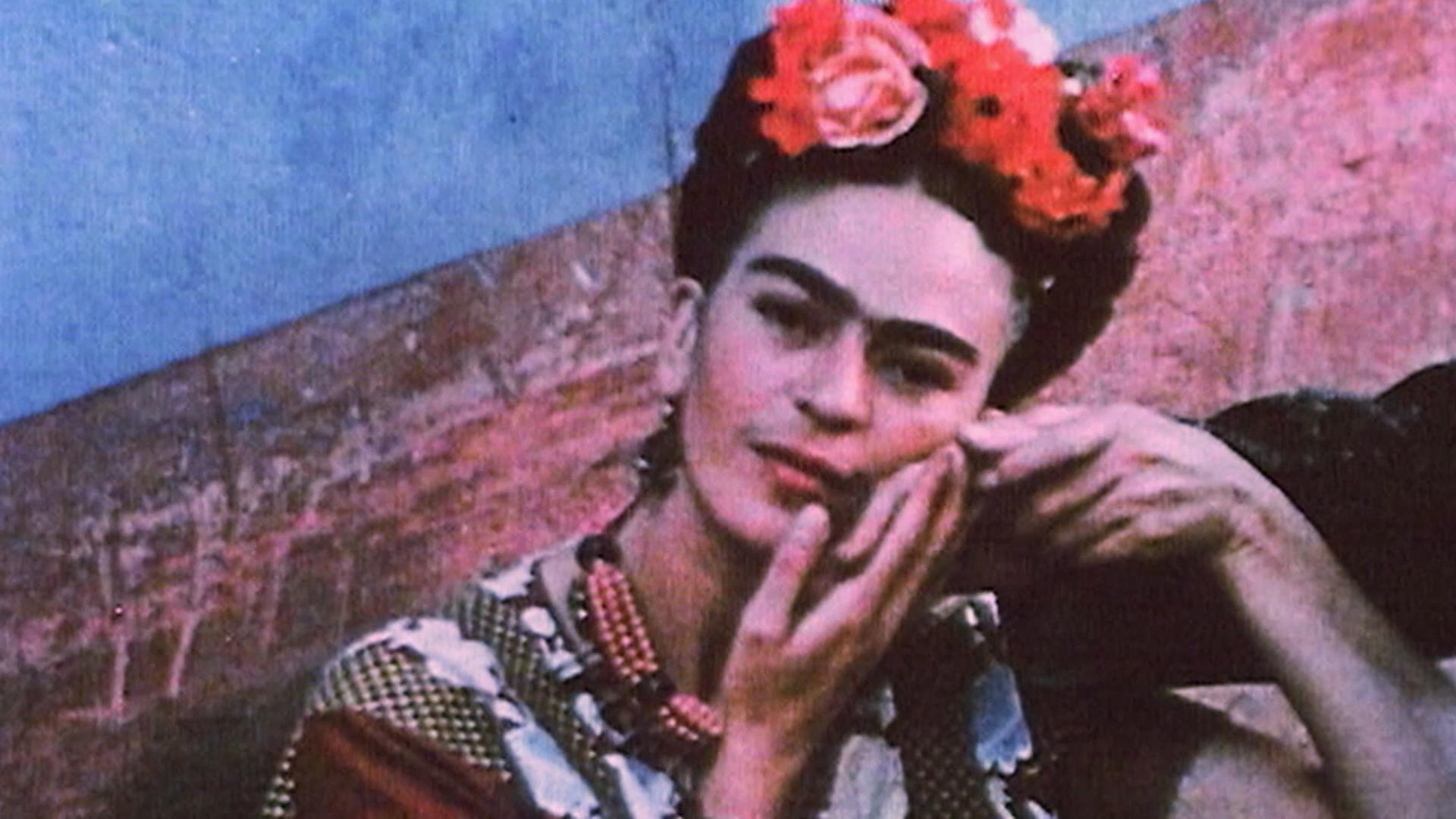
Frida Kahlo’s face is everywhere. You see her on tote bags, coffee mugs, and giant murals in almost every major city. But most of the time, she’s treated like a lonely martyr who just appeared out of nowhere to suffer for her art. Honestly, that’s not the whole story. To really get why she painted the way she did, you have to look at the Frida Kahlo family life—a messy, loud, complicated web of German immigrants, devout Catholic mothers, and a sister who committed the ultimate betrayal.
She wasn't just a solo act. She was the product of a house that felt like a pressure cooker.
The German Father and the "Bossy" Mother
Frida was born in 1907 in the Casa Azul (the Blue House) in Coyoacán. It’s a museum now, but back then, it was just home. Her father, Guillermo Kahlo, was a German-Jewish immigrant who arrived in Mexico with a box of books and not much else. He was a photographer. He was also a man who understood Frida better than anyone because they shared a dark secret: they were both "broken" in the eyes of society. Guillermo had epilepsy.
When Frida contracted polio at age six, leaving her right leg thin and stunted, Guillermo didn't treat her like a fragile doll. He made her play soccer. He made her swim. He pushed her to be "macho" in a way that most 1913 Mexican dads wouldn't dream of. He taught her how to use a camera and how to retouch photos, giving her the very first tools of her trade.
Then there was Matilde Calderón y González.
Frida’s mom was... a lot.
She was deeply religious, strictly Catholic, and often described as "calculated" and "cruel" by Frida herself. Matilde was the one who kept the house running, but she and Frida clashed constantly. Imagine a rebellious, brilliant teenager living under the thumb of a woman who was obsessed with colonial-era propriety. It was a disaster waiting to happen. Yet, it was Matilde who hung the mirror over Frida's bed after the bus accident, unwittingly launching the world's most famous career in self-portraiture.
The Siblings You Never Hear About
Frida wasn't an only child. Far from it.
She was the third of four daughters:
- Matilde (the eldest)
- Adriana
- Frida
- Cristina (the baby)
There were also two half-sisters, María Luisa and Margarita, from Guillermo’s first marriage. He sent them to a convent shortly after Matilde (the mom) took over the household. Talk about family drama.
Frida's relationship with her sisters was a rollercoaster. She was particularly close to Cristina, but that relationship would eventually hit a wall that almost destroyed Frida.
The Diego Rivera Factor: Family or Foe?
You can't talk about Frida Kahlo family life without mentioning the "elephant and the dove." When Frida married Diego Rivera in 1929, her parents called it a marriage between a "great elephant and a small dove."
It was a nightmare for her mother.
Her father, ever the pragmatist, mostly liked that Diego was rich enough to pay off the mortgage on the Casa Azul.
But Diego didn't just join the family; he fractured it. In 1934, after Frida had suffered multiple miscarriages and surgeries, she discovered that Diego was having an affair with her youngest sister, Cristina. This wasn't just a random fling. This was her favorite sister and her husband.
Frida cut off her hair—the long, beautiful hair Diego loved—and moved out. She painted A Few Small Nips during this time. If you’ve seen it, you know it’s one of her most violent, bloody works. That wasn't just about a newspaper story she read; it was about the bloodletting of her own family trust.
The Children She Never Had
One of the biggest misconceptions is that Frida didn't want kids. She desperately did.
Because of the 1925 bus accident—where a metal handrail literally pierced her pelvis—her body couldn't carry a child to term. She had at least three documented miscarriages.
In her painting Henry Ford Hospital, she depicts herself bleeding on a bed, surrounded by symbols of her failed pregnancy. It’s raw. It’s uncomfortable. It’s the reality of a woman whose family "line" ended with her. Instead of human children, she filled her life with a "family" of pets:
- Spider monkeys (which she often used as stand-ins for the children she couldn't have)
- Itzcuintli dogs
- Parrots
- Even a deer named Granizo
Life at the Blue House
The Casa Azul wasn't just a building; it was a character in the Frida Kahlo family life saga. After her father died in 1941, Frida and Diego moved back in permanently. They turned it into a sanctuary of "Mexicanidad."
They ate off traditional pottery. They filled the rooms with pre-Hispanic idols. It was a deliberate rejection of her father's European roots and her mother's stiff Spanish-Catholic traditions. In this house, family wasn't just about blood; it was about the people they brought in. They hosted Leon Trotsky (who Frida had an affair with, talk about revenge) and various artists, spies, and revolutionaries.
Why Her Family History Still Matters
If you ignore the family context, Frida’s art just looks like a series of "sad selfies." But when you realize she was navigating the trauma of her father's seizures, her mother's coldness, and her sister's betrayal, the paintings change.
The Two Fridas isn't just about her divorce from Diego. It’s about her dual heritage: the European Frida (her father’s side) and the Mexican Frida (her mother’s side). One is bleeding out; the other is holding a tiny portrait of Diego. It’s a map of her DNA.
Actionable Insights for the Frida Fan
If you want to understand the real Frida, stop looking at the merchandise and start looking at the genealogy.
- Visit the Casa Azul virtually or in person: Don't just look at the paintings. Look at the kitchen. Look at her father's photography studio. You'll see the tools of a middle-class immigrant family trying to survive a revolution.
- Read her letters to Guillermo: Her correspondence with her father shows a side of her that's tender and intellectual, far removed from the "tortured artist" trope.
- Study the "Cristina" period: Look at the works produced between 1934 and 1935. It's a masterclass in how to process familial betrayal through art.
- Research the Mexican Revolution's impact: Frida was a child during the war. Her mother used to feed Zapatista rebels in the backyard. That kind of "family activity" shapes a person's politics forever.
Frida Kahlo’s family life was a beautiful, tragic mess. It was the soil that grew the art. Without the German photographer father and the bossy Catholic mother, we wouldn't have the icon we know today. She didn't paint despite her family; she painted because of them.
To get the full picture, look into the 1930s "Cachuchas" period of her life. It was her first "chosen family"—a group of rebellious students who gave her the nickname she’d carry into adulthood. Understanding those early bonds is the final piece of the Kahlo puzzle.