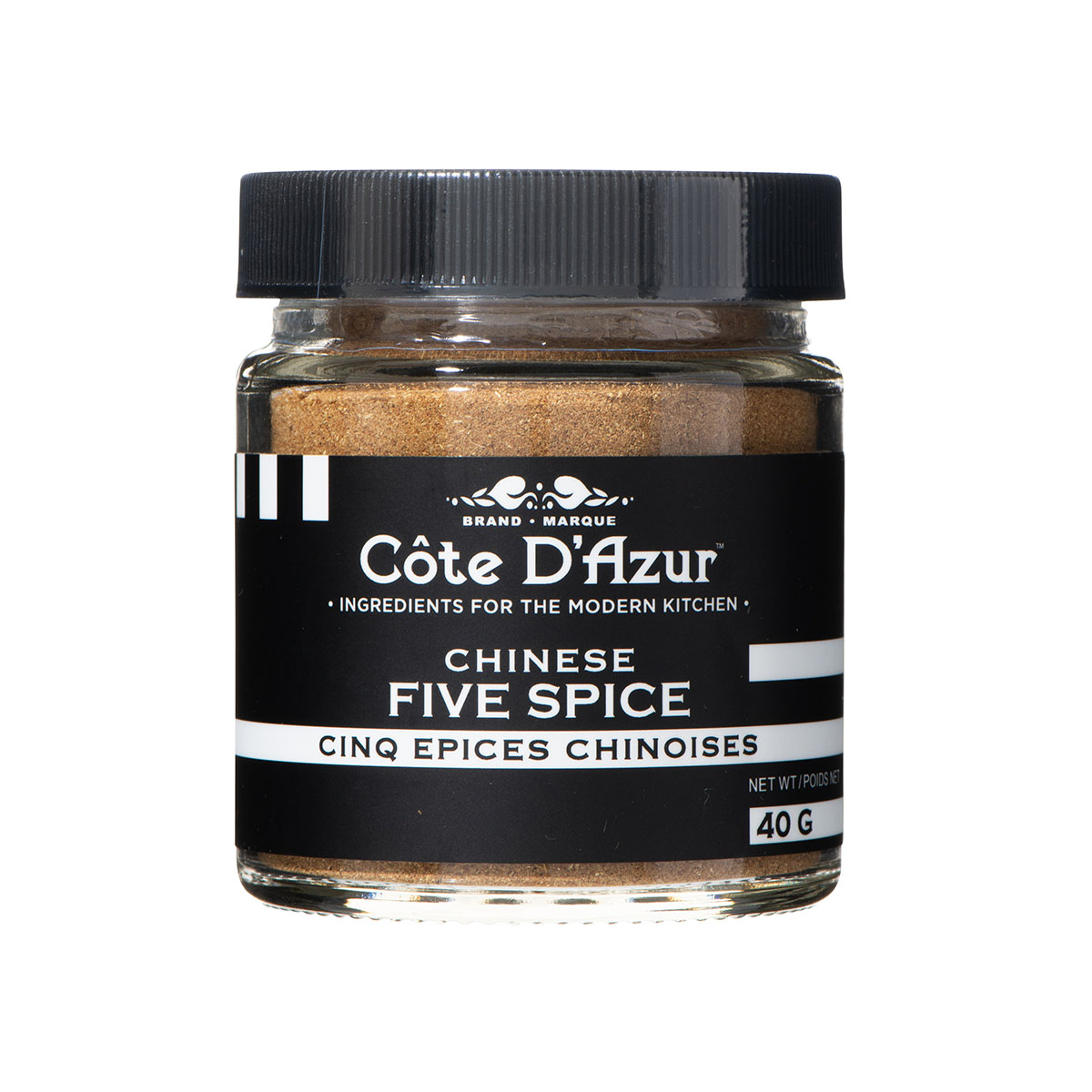
You’re standing there, pan hot, aromatics sizzling, and you reach for that little jar of Chinese five spice. Empty. Or maybe it’s just a crusty, three-year-old remnant that smells more like dust than dinner. It happens. Honestly, even professional kitchens run out of specific blends at the worst possible moments. But here’s the thing about Chinese five spice: it isn’t just a single flavor. It’s a sensory experience designed to hit every part of your palate—sweet, sour, bitter, pungent, and salty. Finding alternatives to chinese five spice isn’t about finding a 1:1 twin; it’s about recreating that specific chemical reaction on your tongue.
Most people think you need a chemistry degree or a massive spice rack to fix this. You don't. You just need to understand what that powder is actually trying to do. Traditionally, the "five" refers to the five elements (wood, fire, earth, metal, and water) rather than just a count of ingredients, though the standard mix usually leans on star anise, cloves, Chinese cinnamon, Sichuan pepper, and fennel seeds. If you have those five, you’re golden. If you don't? We’ve got work to do.
The Star Anise Problem and How to Cheat It
Star anise is the heavy lifter. It’s that distinct, licorice-like aroma that defines Peking duck or slow-braised pork belly. If your spice cabinet is missing this, your dish is going to feel "flat."
But let’s be real. Not everyone keeps whole stars of anise lying around. A surprisingly effective substitute is actually fennel seeds. They share that same anethole compound that gives licorice its punch. If you have fennel, toast them in a dry pan for thirty seconds until they smell like a bakery, then crush them. It’s not a perfect match—fennel is sweeter and less "woody" than anise—but in a stir-fry, it works.
Another weirdly effective trick is using a splash of Pastis or Sambuca. Since these spirits are flavored with anise, a tiny teaspoon can bridge the gap in a braise or a sauce. Just watch the sugar content. You don't want your Szechuan beef tasting like a cocktail.
Why Garam Masala is Your Best Secret Weapon
If you’re looking for the easiest of all alternatives to chinese five spice, look toward India. Garam Masala is a staple, and while the profile is definitely different, the overlap is huge. Both blends rely heavily on cinnamon and cloves.
The Flavor Pivot
Garam Masala usually adds cumin, coriander, and cardamom into the mix. This makes the flavor "warmer" and more earthy, whereas Chinese five spice is more "piercing" and cool.
- The Adjustment: If you use Garam Masala, add a pinch of extra sugar and maybe some ground ginger.
- The Result: You’ll get a complex, aromatic dish that tastes professional, even if it’s not strictly "authentic" to the original Sichuan province style.
I’ve seen home cooks panic because Garam Masala feels too "curry-like." It’s not. It’s a finishing spice. Just like five spice, it’s meant to be used sparingly. Use about 75% of what the recipe calls for in five spice, then taste. You can always add, but you can’t take away.
DIY: Mixing Your Own from Pantry Staples
Sometimes the best alternatives to chinese five spice are just the components themselves, even if you’re missing one or two. You don't need all five to get 90% of the way there.
If you have cinnamon and black pepper, you’re already halfway to a decent substitute. Chinese cinnamon (Cassia) is what’s usually used, which is stronger and hotter than the delicate "true" Ceylon cinnamon. If you only have the stuff you put on toast, use a bit more of it.
Try this "Good Enough" ratio:
- Cinnamon: 2 parts (The base)
- Black Pepper: 1 part (For the "bite" if you lack Sichuan peppercorns)
- Ground Cloves: 1/2 part (Careful, these are powerful)
- Ground Ginger: 1 part (To add that pungent heat)
Sichuan peppercorns are unique because they cause mala, that numbing sensation on the lips. Black pepper won’t do that. It just won't. But black pepper provides the heat that keeps the cinnamon from feeling like a dessert spice. If you happen to have lemon zest, a tiny bit of that mixed with black pepper mimics the citrusy notes often found in high-quality Sichuan peppers.
The Allspice Shortcut
Believe it or not, Allspice is one of the most underrated alternatives to chinese five spice. Its name is literal—it tastes like a combination of cinnamon, nutmeg, and cloves.
In a pinch, Allspice covers the "sweet and warm" end of the five spice spectrum beautifully. It lacks the licorice hit of anise, so if you have a stray star anise or some fennel, toss it in. If not, Allspice mixed with a generous amount of black pepper will save your marinade. It’s particularly good for roasted meats where you want that deep, aromatic crust.
Baharat: The Middle Eastern Contender
This is for the adventurous cooks. Baharat is a Middle Eastern spice blend that varies by region, but it almost always contains black pepper, coriander, cloves, and cinnamon.
It’s punchier than five spice. It has a savory depth that actually works incredibly well with soy sauce and ginger. If you're making a beef-based dish, Baharat might actually be an upgrade. It provides a darker, smokier profile. Just keep an eye on the paprika content in some Baharat blends, as it can change the color of your sauce more than you might expect.
Common Misconceptions About These Substitutes
A lot of people think you can just swap in Pumpkin Pie Spice.
Stop.
Don't do it.
While it has cinnamon and cloves, it’s designed for sweets. It often lacks the savory edge and contains too much nutmeg or ginger in proportions that don't play well with garlic and onions. If you are absolutely forced to use it, you must balance it with something heavy and savory—like a lot of extra salt, soy sauce, or even a dash of fish sauce—to kill the "holiday candle" vibe.
Also, people often overlook Star Anise on its own. If you have just that one spice, use it. It is the dominant note in five spice. Smashing one star and tossing it into your braising liquid will do more for the authenticity of the flavor than a complex mix of five other things that don't include it.
Regional Variations and Why They Matter
Depending on where you are in China, the "five spice" might actually have seven or eight ingredients. Some include dried tangerine peel or licorice root.
This is good news for you. It means there is no "perfect" version. If your alternative feels a little bit off, it might just taste like a version from a different province. For example, if you want more of a "Southern" Chinese profile, lean harder into the cinnamon and add a bit of orange zest to your mix. If you want that Sichuan "numbness," there is truly no substitute for the real peppercorns, but a mix of black pepper and a tiny bit of ground coriander can trick the brain into thinking there’s a floral heat present.
Actionable Steps for Your Next Meal
If you're currently staring at a recipe that demands Chinese five spice and you're empty-handed, follow this triage:
- Check for Anise flavors first. Do you have fennel seeds, star anise, or even an anise-flavored liqueur? If yes, start there. That is the soul of the spice.
- Raid the "Baking" spices. Grab the cinnamon and cloves. These provide the "warmth" that rounds out the salty components of Chinese cooking like soy and oyster sauce.
- Add the "Kick." Use more black pepper than you think you need to compensate for the lack of Sichuan peppercorns.
- Balance with Aromatics. Increase your fresh ginger and garlic usage by 20%. This provides a fresh pungency that can mask a slightly imperfect dry spice substitute.
The goal isn't to replicate the bottle. The goal is to make the food taste balanced. Most guests won't be able to tell if you used a DIY blend or a store-bought jar, as long as you hit those key notes: sweet, savory, and aromatic.
Next time you're at the store, buy the whole spices instead of the pre-ground mix. Whole star anise and cinnamon sticks last forever and keep their oils much longer than the powder. You can toast them and grind them yourself in a coffee grinder or mortar and pestle for a flavor that blows any store-bought "five spice" out of the water.