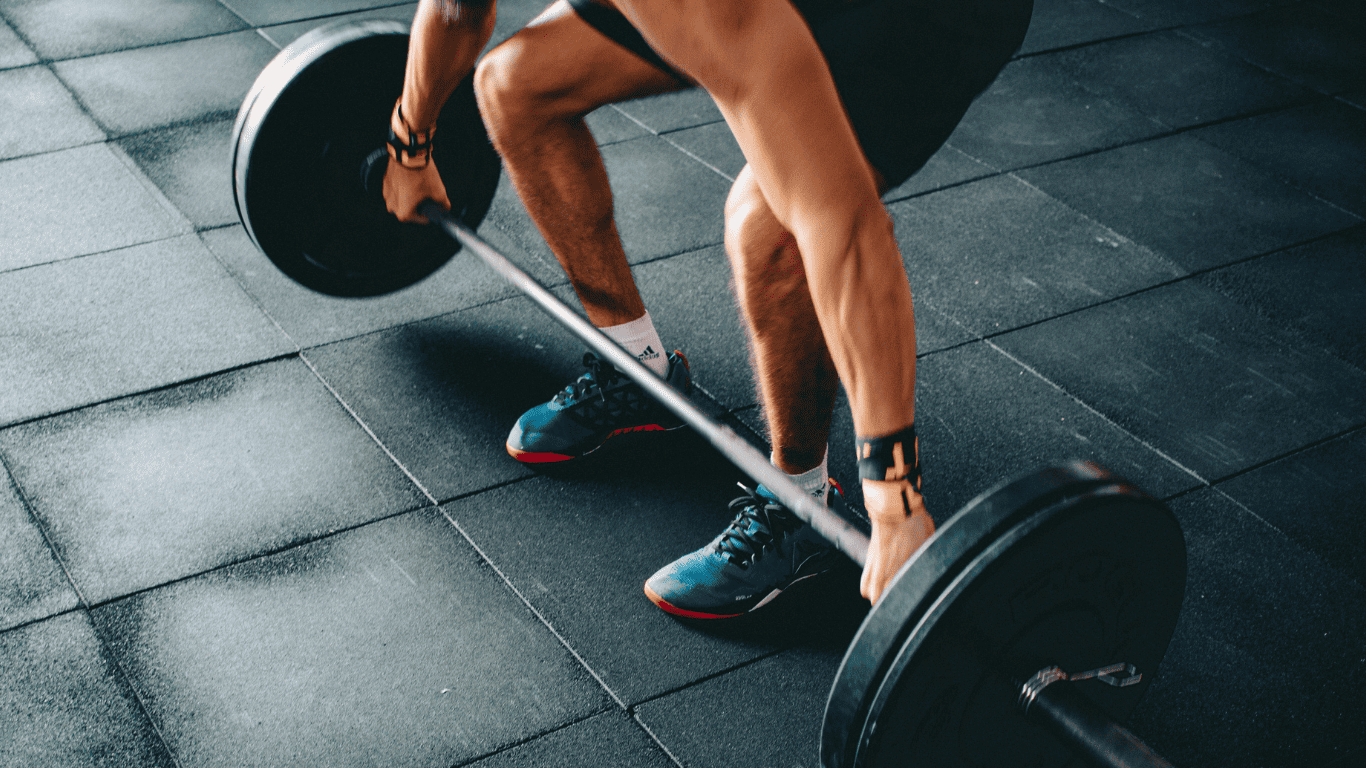
You’re mid-squat. The bar is heavy, your teeth are grit, and you’re pushing through that final rep of a heavy set. Suddenly, you feel a sharp, nagging pressure where you definitely don't want to feel it. It's a common fear in the weight room, whispered about in locker rooms but rarely discussed over protein shakes. Does weight lifting cause hemorrhoids, or is that just a myth passed down by people who skip leg day?
The short answer is: sort of. But it's not the iron itself that's the enemy.
Hemorrhoids are essentially varicose veins for your backside. They are swollen, inflamed veins in the rectum and anus that can itch, bleed, or just make sitting down feel like a chore. Everyone has "hemorrhoidal cushions," which help with bowel control. Problems only arise when these cushions swell up under too much pressure. When you lift something heavy, your internal abdominal pressure skyrockets. If you aren't careful about how you manage that pressure, you might end up with a literal pain in the butt.
The mechanics of the "lifting strain"
Think about the Valsalva maneuver. You’ve probably done it without even realizing it. It’s that thing where you hold your breath and bear down to create a rigid torso for a heavy lift. It helps stabilize the spine, sure. But it also creates massive downward pressure on the pelvic floor and the anal veins.
Basically, your veins act like a balloon. When you squeeze the middle of the balloon (your abdomen), the air has to go somewhere. In the human body, that pressure often pushes down toward the rectum. If you do this repeatedly with poor form, those veins can stretch, bulge, and eventually protrude. Dr. David L. Beck, a colorectal surgeon, has noted in various medical literatures that excessive straining—whether on the toilet or under a squat rack—is a primary driver of symptomatic hemorrhoids.
It's not just about the weight on the bar. It's about how you breathe. Or rather, how you don't breathe.
Many lifters think they’re invincible until they see blood on the toilet paper. It's a wake-up call. The connection between heavy resistance training and venous pressure is well-documented in sports medicine. While lifting isn't a guaranteed ticket to hemorrhoid city, it is a significant risk factor if you’re already prone to them or if your technique is sloppy.
Why your "PR" might be the culprit
Intensity matters. If you’re doing high-volume, low-weight isolation moves like bicep curls, you’re probably fine. The risk peaks during compound movements like deadlifts, squats, and overhead presses. These moves require total body tension.
When you go for a personal record (PR), the sheer force required to move the weight creates a spike in intra-abdominal pressure. Honestly, some people have a genetic predisposition to weak vein walls. If that's you, a single heavy session where you "grunt and shove" could be the tipping point.
Let's look at the lifestyle of a typical lifter. Often, people who lift heavy are also consuming massive amounts of protein. If you aren't balancing that out with a metric ton of fiber, you’re going to be constipated. Constipation leads to straining on the toilet. Straining on the toilet plus straining under a 315-pound barbell is a recipe for disaster. It’s a double whammy of pressure.
Real talk: Internal vs. External
Not all hemorrhoids are the same.
- Internal: These stay inside the rectum. You usually don't feel them, but you’ll see bright red blood after a workout or a bowel movement.
- External: These are the ones under the skin around the anus. They can be incredibly painful, especially if a blood clot forms (thrombosed).
If you’re lifting and you feel a hard, painful lump, you’re likely dealing with an external, possibly thrombosed, hemorrhoid. This isn't something to "work through." Pain is your body's way of telling you to stop. Pushing through a heavy leg session with an active flare-up is like trying to run on a sprained ankle. It’s just going to get worse.
Breaking the "breath-holding" habit
The fix isn't to stop lifting. That’s the good news. You just have to change the way you move.
Instead of the hard Valsalva maneuver for every single rep, try "bracing" while maintaining a slow exhale through pursed lips—often called the "exhale on exertion" technique. By letting a little air out as you push through the hardest part of the lift (the "sticking point"), you dissipate some of that internal pressure.
- Don't hold your breath until your face turns purple.
- Engage your core without bearing down on your pelvic floor.
- Listen to your body. If you feel downward pressure in your nether regions, reset.
I’ve seen guys in the gym who look like they’re about to pop a vein in their forehead. That's exactly the kind of pressure that causes issues. If your face is turning dark red, your internal plumbing is feeling the heat too.
The role of the pelvic floor
Surprisingly, your pelvic floor health plays a massive role in whether weight lifting causes hemorrhoids for you. Physical therapists like those at the Mayo Clinic often point out that a "hypertonic" or overly tight pelvic floor can contribute to the problem. If your muscles are always clenched, the blood flow in that area is restricted, making veins more likely to swell under pressure.
Learning to relax the pelvic floor while still maintaining a strong core is a skill. It’s the difference between a professional powerlifter who stays healthy for thirty years and a weekend warrior who ends up in surgery after six months.
Practical steps to stay in the gym
If you’re worried about hemorrhoids or currently dealing with a flare-up, you don't have to quit the gym. You just have to be smarter than the weights.
- Hydration and Fiber: This is non-negotiable. If you’re taking creatine or high-protein supplements, you need more water than you think. Aim for 25-35 grams of fiber daily. If you’re backed up, you’re straining. If you’re straining, you’re growing hemorrhoids.
- Modify the Lift: Use machines for a while. A leg press still creates pressure, but it’s often easier to control your breathing on a machine than it is with a heavy barbell on your back.
- Sitz Baths: If things are flared up, 15 minutes in warm water can do wonders for blood flow and inflammation.
- Witch Hazel: It’s an old-school remedy for a reason. It works to shrink the tissue and provide relief.
- Check Your Stance: Sometimes widening your stance or changing your hip position can change how pressure is distributed through your pelvis.
Don't ignore the signs. If you see blood, it's usually just a small tear or a hemorrhoid, but you should always see a doctor to rule out anything more serious. It's better to be slightly embarrassed at a 15-minute checkup than to ignore a problem that could require surgery later.
Moving forward with your training
The reality is that weight lifting doesn't directly create hemorrhoids out of thin air, but it certainly provides the perfect environment for them to flourish if your mechanics are off.
Focus on your "bracing" technique. Ensure you are supporting your spine with your transverse abdominis and obliques rather than just shoving all your internal air down toward your pelvis. If you can master the art of breathing under tension, you can keep hitting those heavy numbers without the unwanted side effects.
If you are currently in pain, take a week off. Focus on light cardio or mobility work. Use over-the-counter creams like Preparation H or Hydrocortisone if needed, but remember these only mask the symptoms. The real cure is changing the way you manage pressure under the bar.
Actionable Next Steps
- Evaluate your breathing: Next time you lift, pay attention to where you feel the pressure. Is it in your abs, or is it pushing "down"?
- Increase your water intake: Add 16 ounces of water for every scoop of protein powder you consume.
- Switch to "Exhale on Exertion": Practice this on lighter sets until it becomes second nature before trying it with your max weight.
- Consult a specialist: if you have persistent bleeding or pain that lasts more than a week, book an appointment with a gastroenterologist or a proctologist to ensure you're dealing with a simple hemorrhoid and not something else.
Keep lifting, keep getting stronger, but keep your internal pressure in check. Your future self will thank you for it.