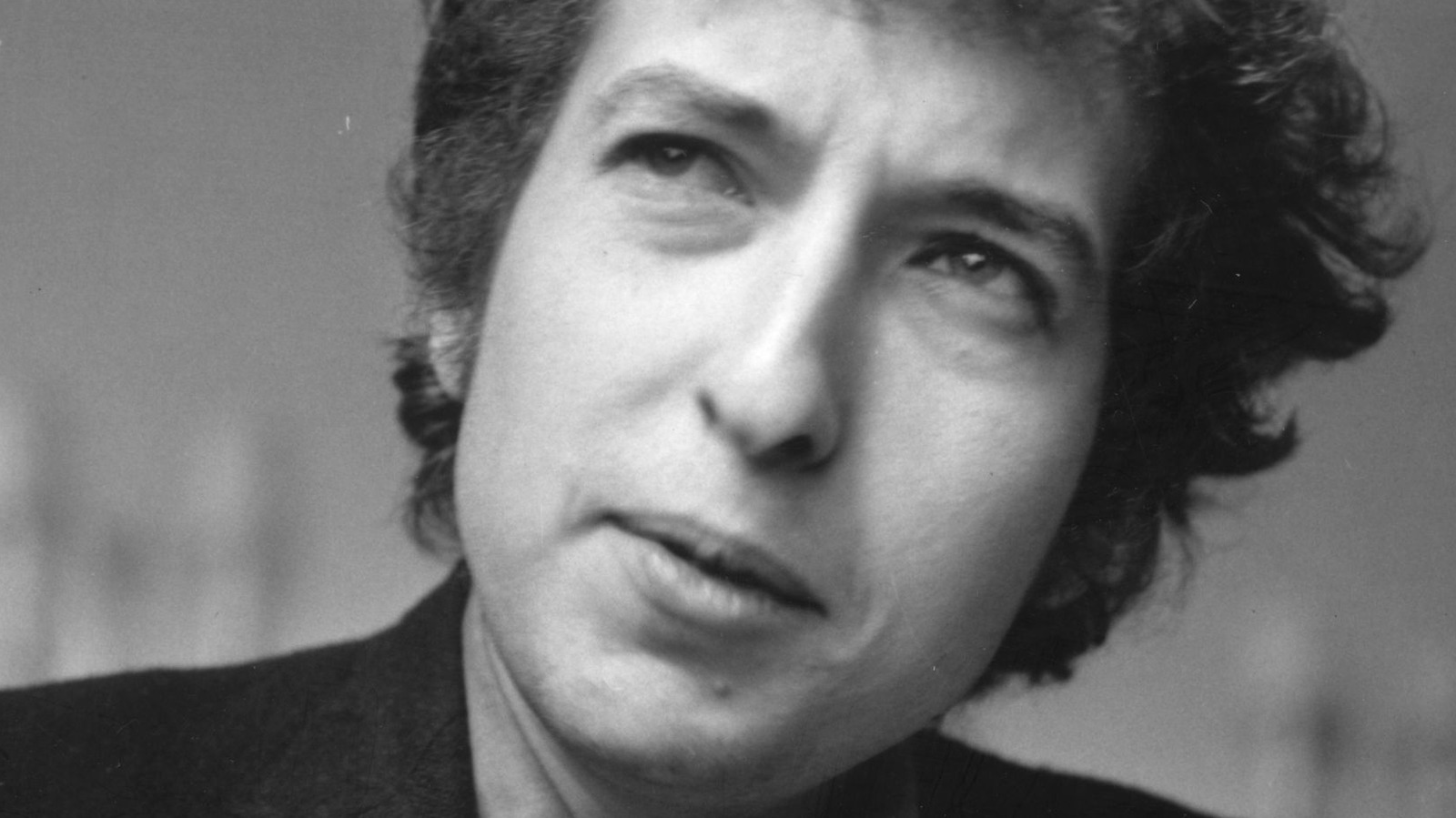
You know him as the voice of a generation. The guy with the harmonica and the gravelly delivery who basically rewrote the rulebook for what a song could be. But if you’d walked into a furniture store in Hibbing, Minnesota, in the late 1950s and asked for the manager’s son, nobody would have known who "Bob Dylan" was.
Bob Dylan's real name is Robert Allen Zimmerman.
He wasn't born a roaming troubadour with a name that sounded like a Welsh poet. He was just a Jewish kid from the Iron Range who really, really liked Little Richard. Honestly, the distance between Robert Zimmerman and Bob Dylan is more than just a legal name change; it’s a masterclass in how someone can invent themselves from scratch.
From Robert Zimmerman to a Global Icon
He was born on May 24, 1941, at St. Mary's Hospital in Duluth. His parents, Abram and Beatrice "Beatty" Zimmerman, were part of a small, tight-knit Jewish community. It wasn't exactly the "rambling man" backstory he’d later hint at in interviews.
By the time he was a teenager, he was already itching to shed the skin of his hometown. He played in high school bands with names like The Shadow Blasters and The Golden Chords. In his high school yearbook, under his photo, it said his ambition was "to join Little Richard." He didn't want to be the next local guy. He wanted out.
Why the name change happened
When he moved to Minneapolis to attend the University of Minnesota in 1959, the transformation kicked into high gear. He started hanging out in Dinkytown, a bohemian neighborhood full of folk music and radical ideas. Zimmerman didn't fit the "folk singer" vibe he was trying to curate. It sounded too settled. Too domestic.
He briefly tried out "Elston Gunnn" (yes, with three n's) while playing piano for Bobby Vee. Then he experimented with "Robert Allyn." Eventually, he landed on Dylan.
For years, everyone assumed he took the name from the Welsh poet Dylan Thomas. It makes sense, right? A literary songwriter taking the name of a legendary wordsmith. But Dylan—being Dylan—has given a dozen different answers about this. In his 2004 memoir, Chronicles: Volume One, he admitted he’d seen Thomas’s work and liked the sound, but he also claimed he’d considered "Bob Dillon" (like the character Matt Dillon from Gunsmoke).
He once famously told a reporter: "You're born, you know, the wrong names, wrong parents. I mean, that happens. You call yourself what you want to call yourself. This is the land of the free."
Making It Official: The Legal Switch
A lot of people think "Bob Dylan" is just a stage name, like Lady Gaga or Sting. It’s actually more permanent than that. On August 9, 1962, Robert Allen Zimmerman walked into the St. Louis County Court in Hibbing and legally became Bob Dylan.
Think about the timing. He had already released his first album (Bob Dylan) in March of that year. He was 21 years old. He was literally signing his old life away just as he was about to become the most famous folk singer on the planet.
Interestingly, even though he goes by Bob, his legal documents—like his passport and copyright filings—often list him as Robert Dylan. If you look at the fine print on his recent releases, like the 2020 track "Murder Most Foul," the registration often lists "Robert Dylan" as the writer and "Bob Dylan" as the artist. It's a subtle distinction, but it shows he never totally got rid of "Robert."
The Hebrew Name You Never Hear
In Jewish tradition, children are often given a Hebrew name for religious ceremonies. Dylan’s is Shabtai Zisl ben Avraham.
It’s a far cry from the name on the "Like a Rolling Stone" record sleeve. While he spent a lot of the '60s and '70s dodging questions about his heritage or his real name, he’s never truly disconnected from it. He’s been spotted at Chabad telethons and has spent time in Israel. The "Zimmerman" side of him didn't die in 1962; it just went underground.
Why Does It Still Matter?
People get weirdly obsessed with the fact that he changed his name. Some critics in the early days used it to call him a "fake." They thought if he wasn't really a Woody Guthrie-style hobo from the Midwest, then his songs about the "hard travelin'" life were a lie.
But they missed the point.
Bob Dylan isn't a person; he's a project. By ditching Robert Zimmerman, he gave himself the freedom to be whoever he wanted. He could be a protest singer one year, a rock star the next, and a country crooner the year after that.
- The Persona: Dylan needed a character that could carry the weight of his lyrics.
- The Escape: He wanted to distance himself from the anti-Semitism he encountered in his youth.
- The Reinvention: It allowed him to enter the New York folk scene with a blank slate.
What You Should Know If You're a Fan
If you're digging into the history of the man, don't just stop at the name. Look at the "PKA" (Professionally Known As) list. Throughout his career, Dylan has used a dizzying array of pseudonyms to hide in plain sight:
- Blind Boy Grunt: Used for recordings on Broadside Records to avoid contract issues.
- Jack Frost: The name he uses when he produces his own albums.
- Lucky Wilbury: His "identity" in the supergroup The Traveling Wilburys.
- Sergei Petrov: A name he used for screenwriting.
Moving Beyond the Name
At the end of the day, whether he’s Robert Zimmerman, Bob Dylan, or Shabtai Zisl, the work is what stays. The name change was just the first bit of "performance art" in a career that has lasted over six decades.
If you want to understand the man better, stop looking for the "real" him in a birth certificate. You'll find more truth in the lyrics of Blood on the Tracks or the chaotic energy of Highway 61 Revisited.
Actionable Insight: If you're looking for the most "Robert Zimmerman" moments in his discography, check out the Bootleg Series Vol. 1–3. You can hear the transition from a kid trying to sound like an old bluesman to the confident poet who changed the world. Also, if you ever find yourself in Hibbing, Minnesota, you can still see his childhood home on 7th Avenue East—though the current owners probably won't let you in for a tour.
To dive deeper into the early days of Robert Zimmerman's transformation, research the "Minneapolis Party Tape" from 1960. It’s one of the earliest recordings where you can hear him testing out the voice and the persona that would eventually make Bob Dylan a household name.