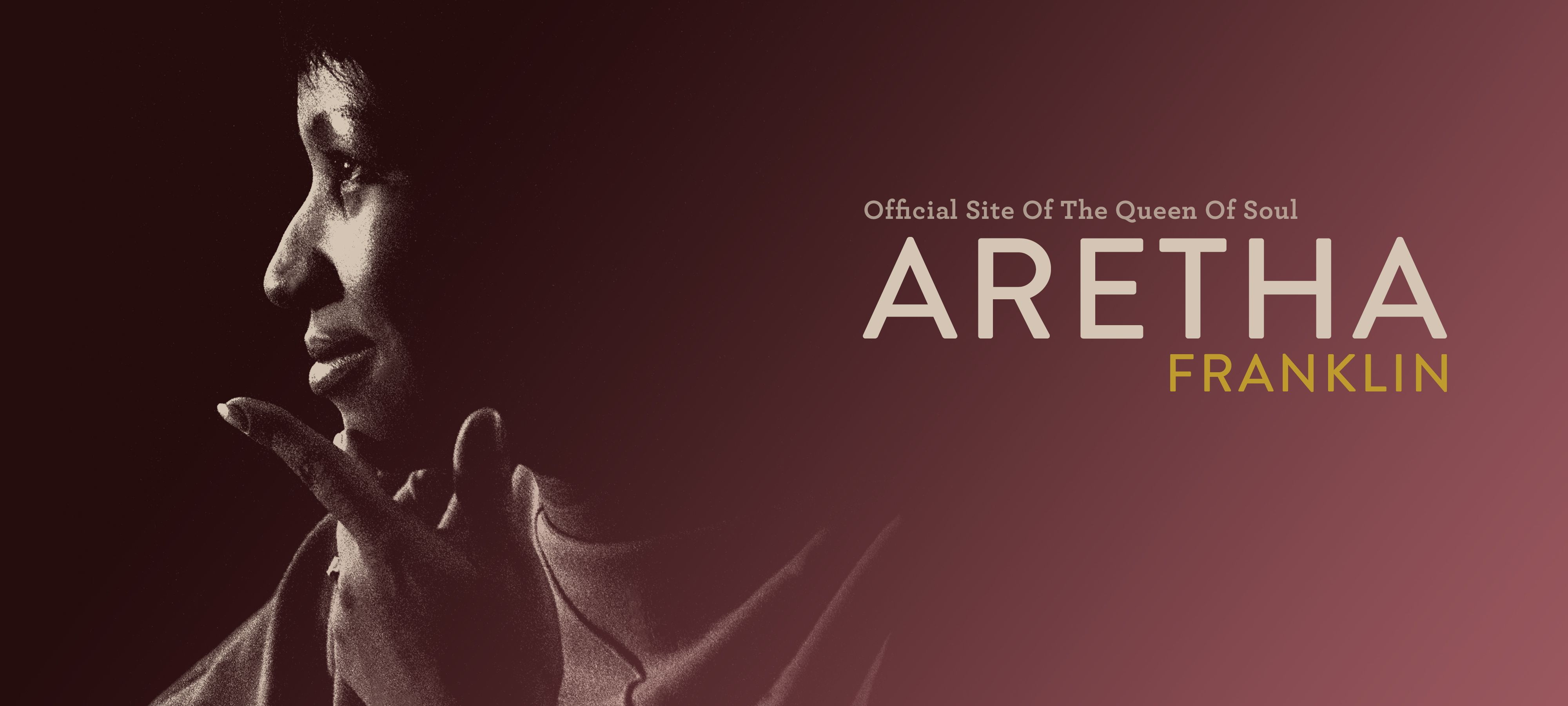
When you think about the Grammy Awards, you probably think of the glitz, the occasionally questionable fashion choices, and the inevitable social media debates about who got snubbed. But if you look at the history books, one name basically owns the rafters. Aretha Franklin.
The Queen of Soul didn't just win awards; she essentially colonized the R&B categories for decades. We’re talking about 18 competitive wins and a total of 44 nominations. But the numbers don't actually tell the whole story. To understand why Grammy Awards Aretha Franklin is a search term that still trends every February, you have to look at the moments when she didn't just sing—she shifted the culture.
The Eight-Year Stranglehold
Imagine being a female R&B singer in the late 1960s. You work hard, you record a hit, and you show up to the Grammys feeling good. Then you realize you're nominated against Aretha.
From 1968 to 1975, the Grammy for Best Female R&B Vocal Performance was essentially her personal property. She won it eight years in a row. It started with "Respect" and didn't stop until Natalie Cole finally broke the streak in 1976 with "This Will Be." Honestly, the Recording Academy might as well have engraved her name on the trophy before the ceremony even started.
She wasn't just winning because she was popular. She was winning because she was fundamentally changing what a "vocal performance" could be. She took gospel roots and fused them with pop and soul in a way that made everyone else sound like they were just practicing.
That 1998 "Nessun Dorma" Moment
If you ask any music historian about the most iconic Grammy Awards Aretha Franklin moment, they won't point to a trophy. They’ll point to a last-minute substitution that should have been a disaster.
The year was 1998. Luciano Pavarotti, the legendary tenor, was supposed to perform the Puccini aria "Nessun dorma." About twenty minutes before he was due on stage, word got out: he was too sick to sing. The producers were panicking. You can't just find someone to sing opera at a moment's notice.
Unless Aretha is in the building.
She had performed the song two nights earlier at a MusiCares event, so she knew it. Sort of. She walked out with a full orchestra, singing in a completely different register than her usual soul belt, and delivered a performance that still gives people chills. It was raw, it was operatic, and it was pure Aretha. She didn't just "fill in." She owned the room.
A Career of Firsts
Aretha wasn't just a winner; she was a pioneer for women in the industry.
- She was the first woman inducted into the Rock and Roll Hall of Fame in 1987.
- She received the Grammy Legend Award in 1991.
- The Lifetime Achievement Award followed shortly after in 1994.
It’s easy to forget that back then, the Grammys weren't always as "inclusive" as they try to be now. Aretha forced them to be. Her presence was so undeniable that the industry had to build new ways to honor her.
The Versatility Most People Miss
People love to pigeonhole her as the "Queen of Soul," but her Grammy wins actually span several genres. She has wins in:
- R&B: Obviously, where she dominated.
- Gospel: Winning for Amazing Grace and One Lord, One Faith, One Baptism.
- Pop: Taking home a trophy for "I Knew You Were Waiting (For Me)" with George Michael.
She even won a Grammy for Best Traditional R&B Vocal Performance in 2006 for "A House Is Not a Home"—almost 40 years after her first win. Think about that longevity. Most artists are lucky to have a five-year run. Aretha was still winning major awards when the artists she influenced were already considered veterans.
Why It Still Matters
You've probably noticed that every time a modern diva like Beyoncé or Adele wins big, the commentators bring up Aretha. That's because she set the gold standard.
When you look at Grammy Awards Aretha Franklin, you're looking at the blueprint for the "prestige" artist. She proved that you could be commercially massive while maintaining a level of technical skill that silenced the critics. She wasn't a product of a studio; she was a force of nature that the studio tried to capture.
The reality is, the Grammys need Aretha more than she needed them. She gave the ceremony legitimacy during eras when it struggled to stay relevant to Black music.
What You Should Do Next
If you want to truly appreciate the legacy of Grammy Awards Aretha Franklin, don't just look at the list of wins on Wikipedia. Go to YouTube and watch the 1998 performance of "Nessun dorma." Then, listen to her 1972 Amazing Grace live recordings.
Compare those to the modern R&B tracks on the charts today. You’ll start to hear her "DNA" in almost everything—from the way singers use melisma to the specific "shout" in a gospel-infused bridge. Her influence isn't just history; it's the current atmosphere of popular music.
To get the full picture, track down a copy of the Amazing Grace documentary. Seeing her record her Grammy-winning gospel album in a small church in Watts provides more insight into her talent than any awards show montage ever could.