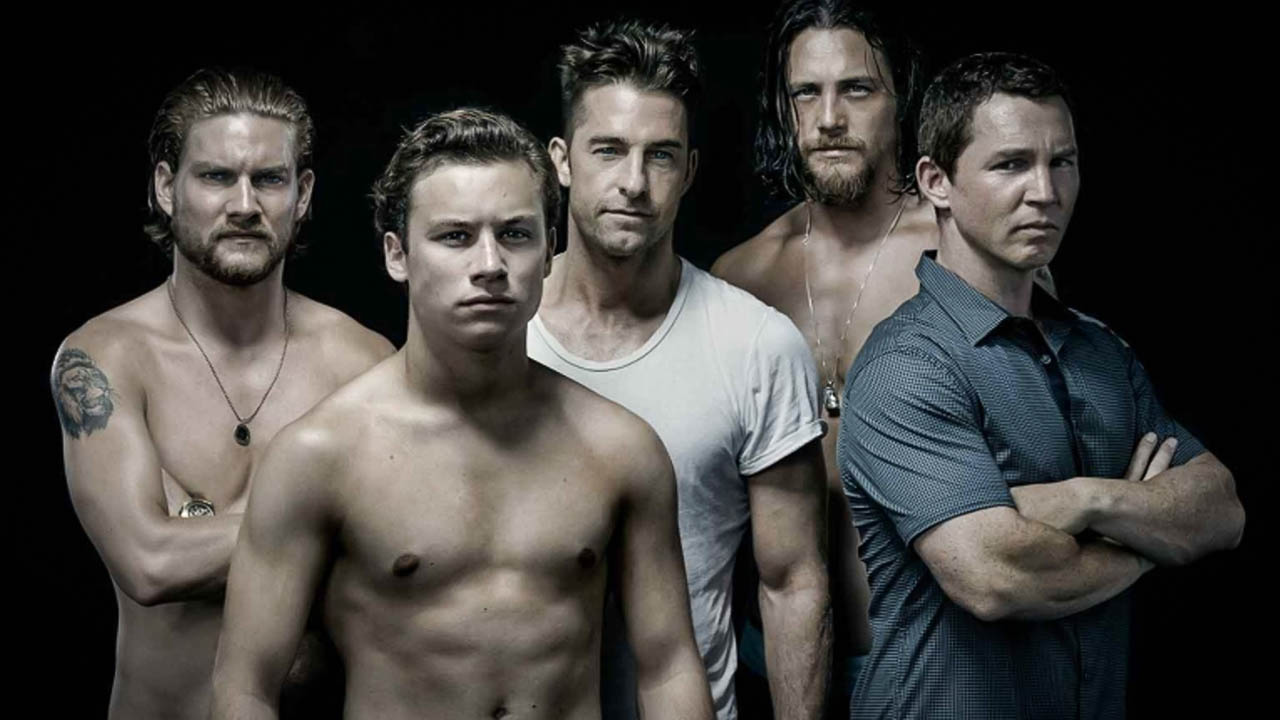
If you’re looking for a show about surfing and sunshine, you’ve come to the right place—kinda. But mostly, you’re here for the heist-gone-wrong adrenaline and the suffocating, toxic matriarchy of Janine "Smurf" Cody. Looking back at an animal kingdom episode guide is like tracing the trajectory of a slow-motion car crash. You know it’s going to end in a twisted pile of metal, but you can't look away from the wreckage.
The TNT drama, which wrapped its six-season run in 2022, wasn't just another crime show. It was a Greek tragedy set in Oceanside, California. From the pilot where J’s mom ODs on the couch to that final, harrowing frame of Season 6, the pacing of the show changed how we view "prestige" cable TV. It’s gritty. It’s sweaty. Honestly, it’s a lot more realistic about the mundane nature of crime than most stuff out there.
The Early Days: Entering Smurf’s Orbit
The first season is really about the initiation. When Joshua "J" Cody moves in with his estranged grandmother after his mother’s death, we get introduced to the hierarchy. It’s simple on paper but messy in practice. Smurf is the bank. Her sons—Baz, Pope, Craig, and Deran—are the muscle and the planners.
In the beginning, specifically throughout the 10 episodes of Season 1, the show leans heavily on the source material (the 2010 Australian film by David Michôd). You’ve got the tension of the "Camp Pendleton" heist. But what really sticks isn't the robbery. It's the way Smurf handles her boys. She’s manipulative. She uses intimacy as a weapon.
If you're rewatching, pay attention to Episode 4, "Dead to Me." It’s where the mask starts to slip. We see that Smurf isn't just a tough grandma; she’s a predator. The episode guide for these early years shows a family trying to maintain a status quo that was already rotting from the inside.
The Baz Problem and Season 2 Shifts
Season 2 changed everything. The stakes got higher because the rebellion started.
Baz, played by Scott Speedman, decides he’s had enough of Smurf taking the lion’s share of the cuts. He finds her secret storage units. He steals her "retirement" fund. This is the first time the show really explores the idea of a Cody family without Smurf at the helm. It doesn't go well. The episodes "Karma" and "Betrayal" are masterclasses in building dread. You can feel the walls closing in on Baz long before that Season 2 finale cliffhanger.
When people search for an animal kingdom episode guide, they’re often looking for that specific turning point. That moment where the show stopped being about "the job" and started being about the survival of the fittest.
The Mid-Series Chaos: Smurf’s Exit
Season 4 is the big one. It’s the season that divided the fanbase.
Ellen Barkin’s departure as Smurf was a seismic shift for the narrative. The show runners decided to do something risky: they used the episode guide to tell two stories at once. We got the present-day Cody boys falling apart, and we got the 1970s/80s flashbacks of a young Janine (played brilliantly by Leila George) building her empire.
- Episode 9, "SHTF": The title says it all. Smurf gets her diagnosis.
- Episode 12, "Ghosts": This is arguably the most important episode in the entire series. The heist at Jed’s compound.
- The death of Smurf changed the DNA of the show.
A lot of critics thought the show would die with her. They were wrong. What happened instead was a fascinating, albeit darker, exploration of what happens to soldiers when their general is gone. Pope, the most broken of the brothers, becomes the emotional center. Craig tries to be a dad. Deran tries to run the bar and keep the peace. J? J just wants to burn it all down.
The Final Heist: Why Season 6 Matters
By the time we get to the final season, the animal kingdom episode guide reads like a funeral march. The show spent years telling us that you can’t outrun your past. In Season 6, the past—specifically the body of Catherine Belen—finally catches up to Pope.
The final string of episodes, from "Revelations" to "Fubar," is relentless. The show avoids the "happy ending" trope. There is no riding off into the sunset with the loot. Instead, we get a brutal look at the cycle of trauma. J’s betrayal of his uncles isn't just about greed; it’s revenge for his mother, Julia.
The flashback sequences in Season 6 are crucial. They show us how Smurf systematically destroyed Julia, which explains why J is so cold. He isn't a villain; he’s the consequence. When you look at the series as a whole, it’s one long revenge plot that took 75 episodes to execute.
Navigating the Episodes: A Quick Reference
If you’re jumping around or looking for the "essential" watches, you sort of have to categorize them by their impact on the Cody legacy.
The Heist Highlights
The "Sun’s Out, Guns Out" vibe is strongest in the mid-seasons. The Season 3 plane jump heist is probably the most visually impressive thing the show ever did. It was pure spectacle. Then you have the Season 5 shipyard heist, which showed that even without Smurf, the boys could coordinate—sorta.
The Emotional Heavy Hitters
"Hyenas" (Season 2) and "Free Ride" (Season 3) really dig into the brotherhood. The relationship between Deran and Adrian is one of the few genuinely tender things in the show, and its dissolution is heartbreaking. Honestly, the way the writers handled Deran’s sexuality in the context of a hyper-masculine crime family was one of the most nuanced portrayals on TV at the time.
Misconceptions About the Show's Ending
There’s a common complaint that the show got "slow" in Season 5.
It did. But that was intentional.
The writers were forcing the audience to sit in the vacuum Smurf left behind. Without her to direct their energy, the brothers just spun their wheels. They fought over the house. They fought over the money. They fought over who got to sit in her chair. If the show had jumped straight back into high-octane heists, it would have felt cheap. The "slowness" was the point. It was the sound of a family realization that they didn't actually like each other very much.
Real-World Influence and Legacy
The show filmed heavily in Oceanside, and residents will tell you it actually captured the "dirty beach" aesthetic perfectly. It wasn't Malibu. It was a place where people worked hard and played harder.
The show’s legacy is its refusal to blink. Most crime dramas want you to root for the bad guys. Animal Kingdom makes that really hard. By the end, you’re not really rooting for anyone except maybe Deran, and even he’s done some terrible things. It’s a study in environmental determinism. If you’re born a Cody, you die a Cody.
Next Steps for Your Rewatch
If you are planning to dive back into the animal kingdom episode guide, start by watching the Pilot and the Season 6 finale back-to-back. The parallels in J’s behavior are terrifying.
Check out the "Behind the Scenes" features on the Season 4 DVD sets if you can find them; they go into detail about the casting of young Smurf and how they matched the mannerisms between Ellen Barkin and Leila George. It’s a level of detail you don't see often.
For those looking for similar vibes, look into the original 2010 film. It’s much shorter, obviously, but it’s even bleaker. It provides a fascinating "what if" scenario for how the TV show could have ended if they’d stuck strictly to the movie’s much darker, more sudden conclusion.
Keep an eye on the soundtrack too. Atticus Ross did the original theme, and the music choices throughout the series—from Tame Impala to LCD Soundsystem—do a lot of the heavy lifting for the atmosphere. You’ve got a lot of episodes to get through, so take your time with the middle seasons. That's where the character work really happens.